
Why Learning to Calm Your Nervous System Changes Everything

Calm nervous system techniques are essential for managing stress and improving overall well-being. Here are the most effective ways to activate your body's natural relaxation response:
Quick Steps to Calm Your Nervous System:
- Practice Deep Breathing - Inhale for 4 counts, hold for 4, exhale for 6
- Use Grounding Techniques - Try the 5-4-3-2-1 method (identify 5 things you see, 4 you feel, 3 you hear, 2 you smell, 1 you taste)
- Move Your Body - Walking, yoga, or gentle stretching releases physical tension
- Connect with Nature - Spend time outdoors, view natural patterns, or listen to birdsong
- Engage Your Vagus Nerve - Hum, sing, splash cold water on your face, or practice meditation
Your heart races in a meeting. You lie awake at 3 AM, your mind flooded with worries. Sound familiar?
This is your nervous system in overdrive, a common response to modern life's constant pressures. The good news is that your nervous system isn't broken; it's just trying to protect you. The even better news? You can learn to regulate it.
Learning to calm your nervous system is a powerful skill for your mental and physical health. Shifting from "fight or flight" to "rest and digest" doesn't just offer momentary relief; it builds long-term resilience against stress, anxiety, and burnout.
I'm Holly Gedwed, a Licensed Professional Counselor Associate with 14 years of experience helping individuals manage anxiety, trauma, and stress-related conditions. Throughout my practice, I've witnessed countless clients transform their lives by learning to calm nervous system responses through evidence-based techniques and personalized therapeutic approaches.
Understanding Your Nervous System: The Gas and the Brakes
Our Autonomic Nervous System (ANS) is our body's internal control system, managing vital functions like breathing and heart rate without our conscious thought. It acts as an autopilot, always striving for balance (homeostasis).
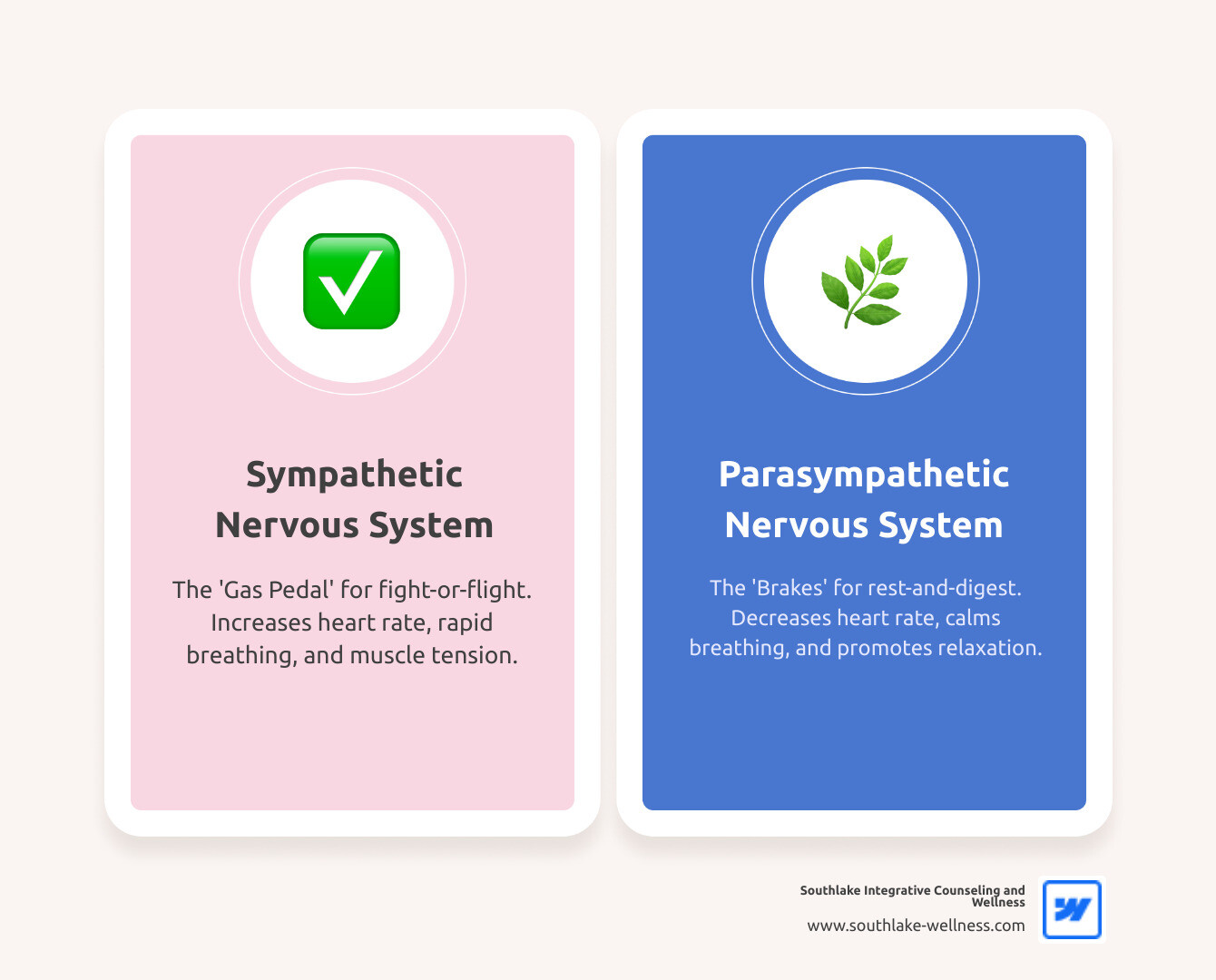
The ANS has two main branches, often described as the "gas pedal" and the "brakes" of our internal experience:
Sympathetic Nervous System (SNS): The Gas Pedal (Fight-or-Flight)This is our "fight-or-flight" response, designed for perceived threats. The SNS releases adrenaline and cortisol, causing your heart to pound, breathing to quicken, and muscles to tense. While useful for real danger, everyday stressors like work deadlines can also trigger it, leaving you feeling constantly "on edge." For more authoritative information on the Autonomic Nervous System, you can refer to resources like this medical overview: Authoritative information on the Autonomic Nervous System
Parasympathetic Nervous System (PNS): The Brakes (Rest-and-Digest)When the threat passes, the PNS, or "rest-and-digest" system, takes over. It calms the body by lowering heart rate, slowing breathing, relaxing muscles, and stimulating digestion, returning you to a state of equilibrium.
Nervous system regulation means balancing these two systems—activating the SNS for challenges and reliably engaging the PNS to return to calm. This balance is crucial for overall well-being, affecting our physical, emotional, and cognitive health.
| Feature | Sympathetic Nervous System (SNS) | Parasympathetic Nervous System (PNS) |
|---|---|---|
| Primary Function | "Fight-or-Flight" response: Prepares the body for action, perceived threats, or stress. | "Rest-and-Digest" response: Promotes relaxation, digestion, and energy conservation. |
| Triggers | Stressful situations, perceived danger, anxiety, excitement, physical exertion, deadlines, loud noises. | Relaxation, safety, deep breathing, meditation, digestion, sleep, quiet environments, social connection. |
| Key Neurotransmitters | Norepinephrine, Epinephrine (Adrenaline) | Acetylcholine |
| Heart Rate | Increases | Decreases |
| Breathing | Becomes rapid and shallow (bronchodilation) | Becomes slow and deep (bronchoconstriction) |
| Digestion | Inhibited, slowed down | Stimulated, increased activity |
| Pupils | Dilate (to let in more light) | Constrict (to focus on near objects) |
| Muscles | Tense, ready for action | Relax |
| Blood Flow | Redirected to muscles and brain | Redirected to digestive organs |
| Energy Usage | Increases energy expenditure | Conserves energy |
| Sweating | Increases | Generally decreases |
What a Dysregulated Nervous System Feels Like
Nervous system dysregulation occurs when we get stuck in an imbalanced state, unable to switch effectively between high alert and calm. This can significantly impact daily life.
Here's a closer look at the common symptoms:
Physical Symptoms: Common signs include a racing heart, chronic muscle tension (neck, shoulder, or back pain), persistent fatigue, digestive issues (IBS, nausea), headaches, dizziness, and unexplained shaking.
Emotional Symptoms: You might feel constant anxiety, irritability, or sadness. Other signs include racing thoughts, difficulty concentrating, feeling overwhelmed by sensory input, emotional numbness, intense mood swings, or panic attacks.
Behavioral Symptoms: Behavioral changes can include sleep problems (insomnia or oversleeping), being easily startled, and difficulty concentrating. You might also notice social withdrawal, procrastination, changes in eating habits, or a reliance on substances to cope. If you recognize these signs, it's important to understand what nervous system dysregulation is and how it can be addressed.
The Toll of Chronic Stress on Your Health
Chronic stress is like a fire alarm that's always blaring. It's a state where your sympathetic nervous system remains activated for prolonged periods, unable to return to calm.
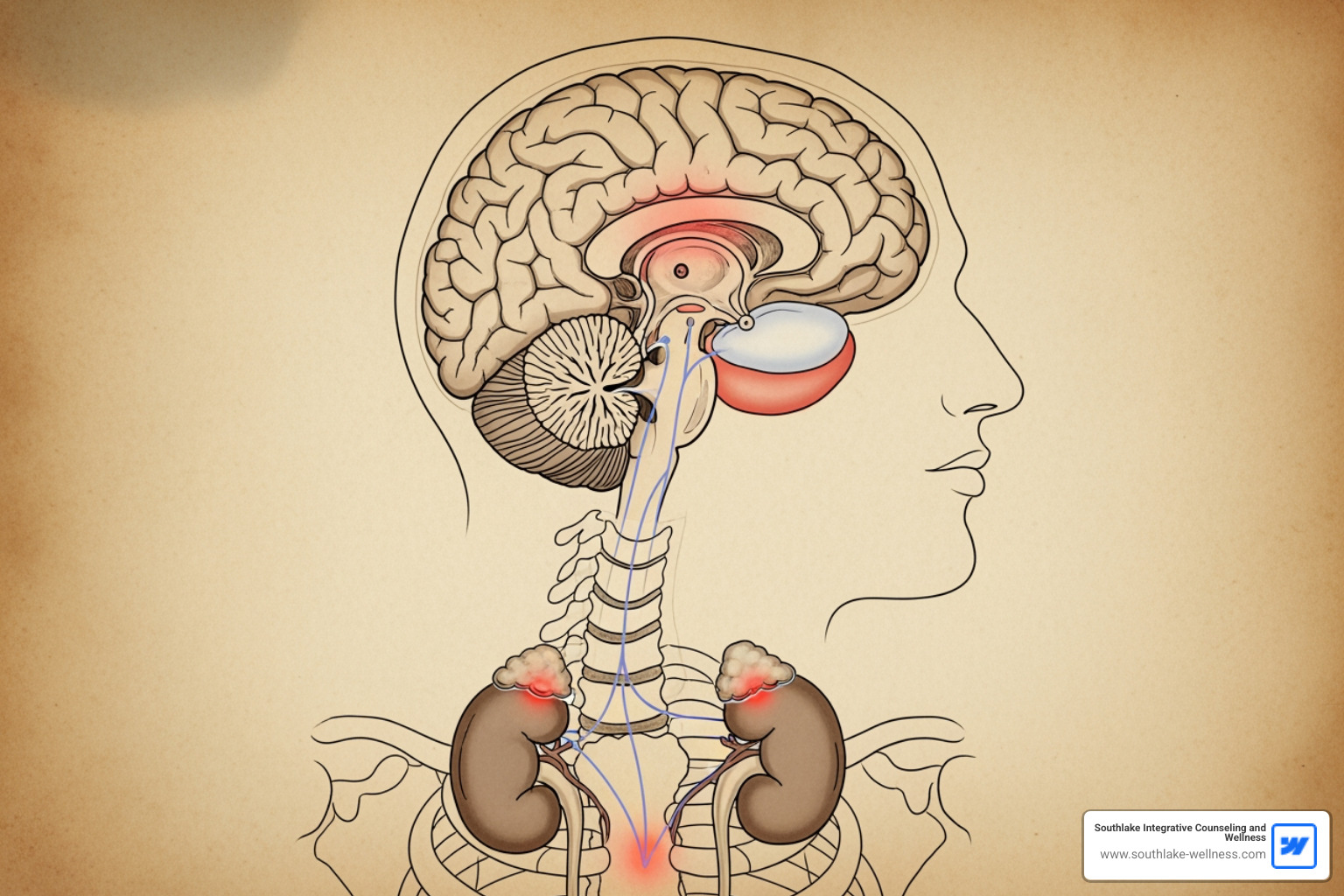
Under chronic stress, the body continuously releases hormones like cortisol via the Hypothalamic-Pituitary-Adrenal (HPA) axis. While helpful in the short term, prolonged exposure to these hormones is damaging to our health.
The long-term effects of chronic stress are far-reaching and can significantly impact both our physical and mental health:
Physical Health Problems:
- Cardiovascular Disease: Chronic stress contributes to high blood pressure, increasing the risk of heart attack and stroke. Studies show that relaxation techniques can significantly reduce blood pressure, highlighting the powerful link between stress and heart health.
- Weakened Immune System: Constant stress suppresses immune function, making you more susceptible to illness.
- Obesity and Metabolic Issues: The stress hormone cortisol can increase appetite and promote fat storage, raising the risk of weight gain and metabolic disorders like type 2 diabetes.
- Digestive Problems: Chronic stress can lead to issues like irritable bowel syndrome (IBS), ulcers, and acid reflux.
- Chronic Pain: Sustained muscle tension can result in chronic headaches, back pain, and other musculoskeletal discomforts.
Mental and Emotional Health Problems:
- Anxiety and Depression: Chronic stress can alter brain structures involved in mood regulation, increasing vulnerability to anxiety and depression.
- Burnout: This is characterized by feeling constantly overwhelmed, emotionally exhausted, and detached.
- Cognitive Decline: Chronic stress can impair memory and concentration, leading to "brain fog."
- Addiction: Some may turn to substances or behaviors to cope with the discomfort caused by stress-induced brain changes.
Understanding this profound impact is the first step toward prioritizing nervous system regulation. It's not just about feeling better in the moment; it's about safeguarding our long-term health and well-being.
Your Toolkit: Practical Techniques to Calm Your Nervous System
Achieving a calm nervous system involves two parts: momentary calming and long-term regulation. Calming offers immediate relief from acute stress, like putting out a small fire. Regulation is about building long-term resilience, making your system less prone to stress in the first place.
Momentary calming techniques are fantastic for immediate relief from anxiety or overwhelm. They help activate the parasympathetic nervous system (PNS) right away. However, true nervous system regulation is a broader, long-term practice that strengthens your ability to handle stress and return to balance over time. It's about building resilience and creating new, healthier neural pathways in your brain. Consistency is key here; daily practices, even small ones, accumulate over time to create profound changes.
Mindful Practices to Calm Your Nervous System
Mindfulness, meditation, and deep breathing directly engage your parasympathetic nervous system to lower heart rate, reduce muscle tension, and quiet racing thoughts.
Mindfulness and Meditation: These practices involve bringing our attention to the present moment without judgment. Whether it's a guided meditation, a body scan, or simply observing our thoughts, mindfulness helps us step out of the stress cycle. It teaches us to notice when our nervous system is becoming dysregulated and to gently guide it back to a state of calm. You can find many free guided meditations and mindfulness practices online to get started.
Deep Breathing Exercises: Our breath is an incredibly accessible tool for immediate nervous system regulation. Slow, deep breathing signals safety to our brain, activating the vagus nerve and shifting us from fight-or-flight to rest-and-digest.
- Box Breathing: Inhale slowly through your nose for a count of four, hold your breath for a count of four, exhale slowly for a count of four, and hold again for four before repeating.
- 4-7-8 Breathing: Inhale quietly through your nose for four counts, hold your breath for seven, and exhale completely through your mouth for a count of eight. Repeat several times.
- Diaphragmatic Breathing: Breathe into your belly instead of your chest. Place a hand on your abdomen to feel it rise as you inhale and fall as you exhale.
- Physiological Sigh: Take a deep inhale, then a second short inhale on top, followed by a long, slow exhale to release built-up tension.
- The Relaxation Response Technique: This technique combines deep breathing with a mental focus, such as repeating a soothing word or visualizing a tranquil scene.
The Role of Physical Movement and Exercise
Physical movement is a powerful way to release the tension of an agitated nervous system. It reduces stress hormones and boosts mood-lifting endorphins.
- Releasing Built-Up Energy: The fight-or-flight response primes our body for physical action. Movement provides a healthy outlet for this stored energy and tension.
- Hormonal Balance: Regular physical activity helps regulate stress hormones like cortisol and stimulates the production of endorphins, which have mood-boosting effects.
- Mind-Body Connection: Engaging in movement helps us reconnect with our physical body, which is helpful when feeling overwhelmed by emotions.
- Types of Movement: Gentle, rhythmic exercises can be incredibly effective:
- Walking: A brisk walk, especially outdoors, can quickly shift our state.
- Yoga and Tai Chi/Qi Gong: These practices combine movement with breathwork and mindfulness.
- Dancing: A fun and expressive way to move your body and release tension.
- Gentle Stretching: Can help alleviate muscle stiffness and promote relaxation.
For some, movement therapy, often incorporating dance, can even serve as a psychotherapeutic approach. It allows for nonverbal emotional expression, which can be invaluable for those who find it difficult to articulate their experiences.
Connecting with Nature for Soothing Relief
Our connection to nature, known as the biophilia hypothesis, is deeply ingrained. Spending time in nature actively soothes our nervous system and shifts us toward calm.
- Morning Sunlight: Morning sunlight within an hour of waking helps regulate your circadian rhythm for better sleep and energy. It also boosts mood and eases stress.
- Viewing Fractals: Viewing natural patterns called fractals (in tree branches, snowflakes, etc.) can reduce stress by up to 60% and promote calmness.
- Listening to Birdsong: Birdsong signals safety to our brain. Listening for just six minutes can alleviate anxiety and help your nervous system relax.
- Drifting with Water: Observing the flow of water can induce a meditative state, shifting your brain into a state of deep relaxation.
Nature isn't a luxury; it's a powerful and accessible force for recovery. Even a few minutes outdoors can make a meaningful difference.
Why Grounding is Key to a Calm Nervous System
When you feel scattered or overwhelmed, grounding techniques can anchor you in the present moment. They act as a reset button, drawing your attention away from distressing thoughts by engaging your senses.
Grounding techniques work by redirecting our focus from internal turmoil to external reality. This sensory awareness helps to activate the parasympathetic nervous system, promoting a sense of safety and calm.
Here are some effective grounding techniques:
- The 5-4-3-2-1 Method: This engages all five senses:
- 5 things you can see: Look around and name five objects.
- 4 things you can feel: Notice four physical sensations, like your feet on the floor or the texture of your clothes.
- 3 things you can hear: Listen for three sounds, like traffic outside or your own breathing.
- 2 things you can smell: Identify two smells, perhaps your coffee or a candle.
- 1 thing you can taste: Notice one taste in your mouth.
- Physical Contact:
- Feeling Your Feet on the Floor: Press your feet firmly into the ground, noticing the sensation. This simple act connects you to the earth and your body.
- Holding a Cold Object: Hold an ice cube or a cold can. The intense sensation can quickly bring you back to the present.
- Tactile Grounding in Nature: Touch tree bark, feel the texture of moss, or walk barefoot on grass.
- Movement-Based Grounding:
- Gentle Rocking or Swaying: The rhythmic motion can be very calming.
- Stretching: Consciously stretch different parts of your body, noticing the sensations.
- Taste and Smell:
- Strong Scents: Inhaling a distinct scent like lavender essential oil can quickly shift your focus.
- Sip a Drink: Slowly sip a glass of water or tea, paying attention to the temperature and taste.
Grounding techniques are essential tools for managing anxiety and helping to calm nervous system responses in the moment.
Building Resilience: From Momentary Calm to Lasting Regulation
While in-the-moment calming is a useful quick fix, long-term regulation is about teaching your nervous system to be more flexible and resilient. This allows you to return to a balanced state naturally after stress.
This is possible thanks to neuroplasticity, the brain's ability to adapt. Consistent practice of calming techniques creates new, stronger neural pathways, making it easier to shift from stress to calm. Like building muscle, regulating your nervous system requires regular, intentional practice.
How Lifestyle Choices Influence Nervous System Health
Your daily habits are the foundation for a healthy nervous system and your ability to maintain a calm nervous system.
Sleep Hygiene: Quality sleep is non-negotiable for nervous system repair. Chronic sleep deprivation keeps you on high alert. Aim for at least 7 hours of sleep per night by establishing a consistent routine: turn off screens an hour before bed, keep your room cool and dark, and avoid late meals.
Nutrition's Impact: What you eat directly affects your brain and nervous system. A balanced diet stabilizes blood sugar and provides building blocks for neurotransmitters. Focus on meals rich in:
- Protein: Essential for neurotransmitter production.
- Healthy Fats: Especially omega-3 fatty acids, which are crucial for brain health.
- Complex Carbohydrates: Provide sustained energy and help regulate mood.
- Magnesium: Plays a vital role in nervous system function and relaxation.Reducing stimulants like caffeine and sugar is also key, as they can increase anxiety. Rebalancing your nervous system means returning to a calm, centered state through diet, sleep, and social support. For more insights, refer to: A balanced diet for rebalancing
Social Connection: Humans are wired for connection. Meaningful social interactions and co-regulation—calming our nervous system through the support of others—are powerful antidotes to stress. A supportive community of friends, family, or pets provides emotional resilience. Laughter is also a fantastic way to release tension and activate the parasympathetic nervous system.
When to Seek Professional Support
While self-help techniques are powerful for fostering a calm nervous system, sometimes they aren't enough. Recognizing when to seek professional support is a courageous step toward healing and well-being.
We encourage you to seek professional help from a qualified mental health professional if:
- Symptoms Persist or Worsen: You consistently feel overwhelmed, anxious, or depressed, and self-care isn't helping.
- Daily Life is Impacted: Symptoms interfere with your work, relationships, or quality of life, such as through chronic anxiety or panic attacks.
- History of Trauma: Unresolved trauma is a significant cause of dysregulation, and a trauma-informed therapist can provide a safe path to healing.
- Suspected Medical Conditions: Persistent physical symptoms like extreme fatigue or chronic pain should be evaluated by a medical doctor to rule out underlying causes.
- Thoughts of Self-Harm: If you are experiencing thoughts of harming yourself or others, please seek immediate professional help.
At Southlake Integrative Counseling and Wellness, we use a holistic approach to heal the nervous system. Our skilled team offers several evidence-based therapies designed to help you find lasting calm:
- Somatic Experiencing (SE): This body-oriented therapy helps release trauma and stress stored in the body, guiding the nervous system back to balance.
- Eye Movement Desensitization and Reprocessing (EMDR): An effective therapy for trauma, EMDR helps process difficult memories and reduce their emotional impact.
- Polyvagal Theory-Informed Therapy: This approach helps clients understand their nervous system states and develop strategies to access calm and connection.
- Cognitive Behavioral Therapy (CBT): CBT helps identify and challenge negative thought patterns and behaviors that contribute to stress.
- Mindfulness-Based Stress Reduction (MBSR): Integrates mindfulness practices to reduce stress and improve emotional regulation.
Our approach at Southlake Integrative Counseling and Wellness combines these specialized therapies with other alternative modalities to promote emotional balance and resilience, emphasizing the powerful mind-body connection. We're here to offer personalized treatment plans for individuals, couples, and groups in Southlake, Texas, and across the state via online appointments.
Conclusion
Learning to calm your nervous system is a fundamental skill for modern life. We've explored the "gas" and "brakes" of your autonomic nervous system, the symptoms of dysregulation, and the toll chronic stress takes on your health.
The good news is you have a powerful toolkit. Mindful breathing, movement, nature, and grounding techniques can activate your body's relaxation response. Combined with healthy lifestyle choices in sleep, nutrition, and social connection, you can build a resilient nervous system.
The journey to nervous system regulation is about building resilience for lasting balance. Your body has an incredible capacity to heal, and small, consistent steps can empower you to live with greater tranquility and emotional freedom.
At Southlake Integrative Counseling and Wellness, we believe in a holistic approach to mental health, recognizing the intricate connection between mind and body. If you find yourself struggling with persistent symptoms of nervous system dysregulation, or if you're ready to explore deeper pathways to healing and resilience, our compassionate team is here to support you. We offer personalized, evidence-based care right here in Southlake, Texas.
More info about our holistic therapy services