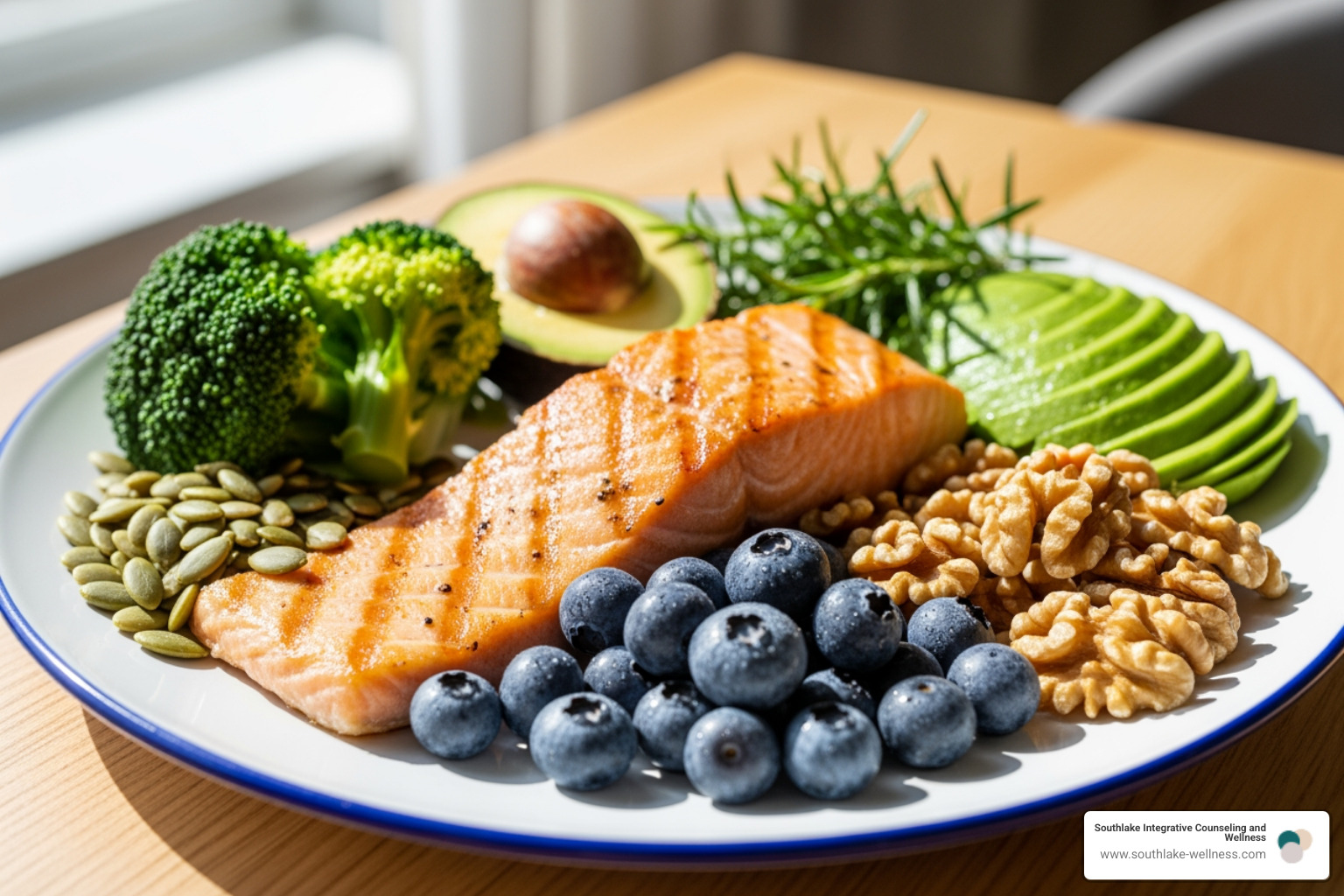
Why Your Brain Needs the Right Fuel to Focus
A diet for focus gives your brain the nutrients it needs to perform at its best. Like a high-performance car, your brain requires specific fuel to maintain concentration, process information, and store memories effectively.
Quick Answer: Best Foods for Focus and Memory
- Fatty Fish (salmon, mackerel) - Rich in omega-3s for brain cell structure
- Blueberries - Antioxidants that improve brain cell communication
- Nuts and Seeds - High in vitamin E to protect against cognitive decline
- Leafy Greens (spinach, kale) - Loaded with brain-protective vitamins
- Eggs - Contain choline for memory and brain development
- Dark Chocolate - Boosts blood flow to the brain for better focus
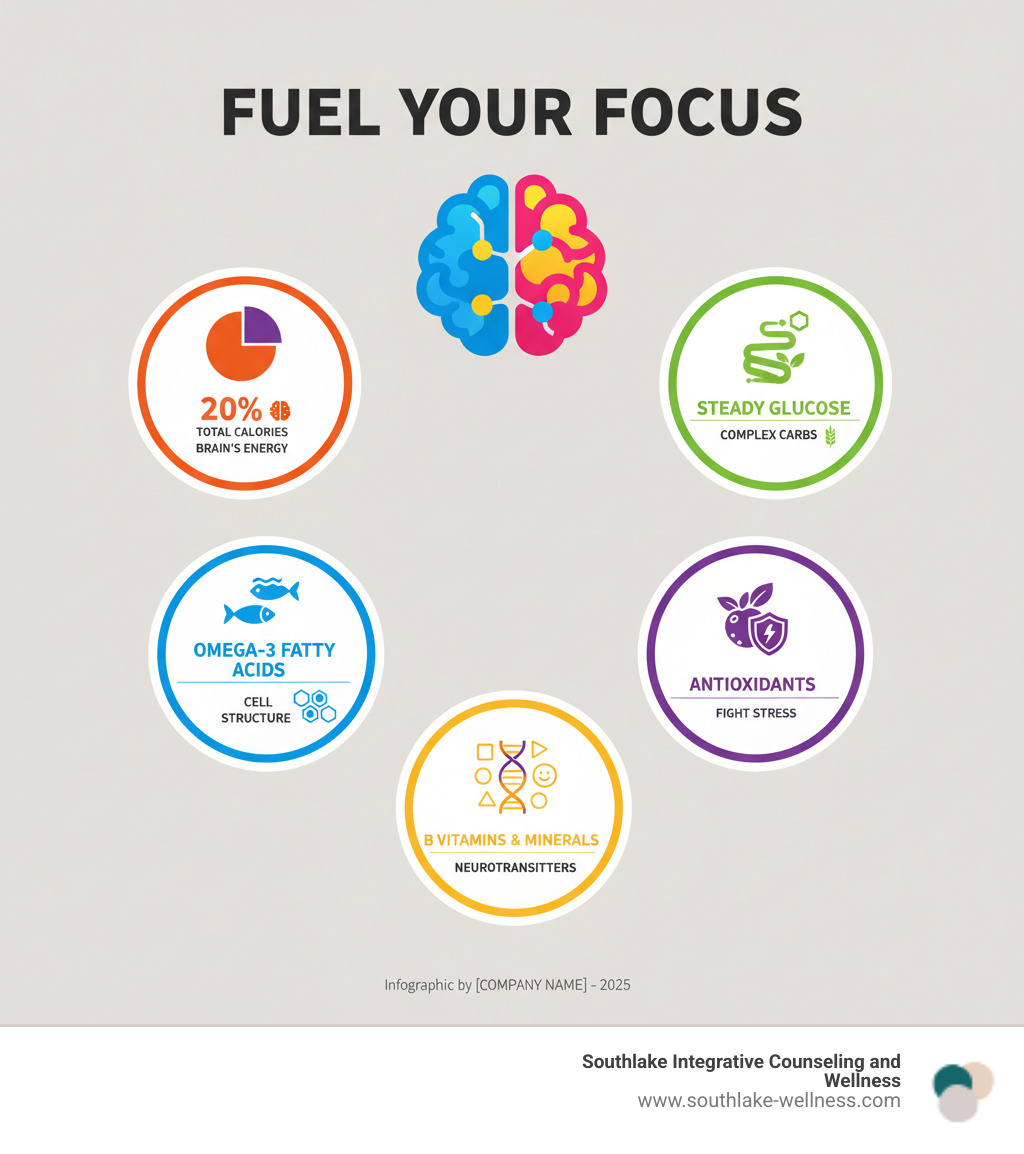
Your brain is demanding. It's only 2% of your body weight but consumes roughly 20% of your body's total energy. The quality of your fuel directly impacts how well you think, concentrate, and remember.
The connection is proven. Research shows that women who ate two or more servings of strawberries and blueberries weekly delayed memory decline by up to two-and-a-half years. Your brain can process information at incredible speeds, but only with the right nutrients.
The good news is that the same foods that protect your heart also protect your brain. Diets rich in fruits, vegetables, whole grains, fish, and healthy fats consistently benefit memory and concentration.
Even mild dehydration impairs memory. It's also about what you don't eat. Diets high in saturated fats and processed foods can harm cognitive processing and increase the risk of neurological dysfunction.
As Holly Gedwed, LPC-Associate at Southlake Integrative Counseling and Wellness, I've seen how the mind-body connection plays a crucial role in mental health and cognitive function, including how diet for focus impacts my clients' ability to manage stress, anxiety, and overall well-being. Understanding this connection helps create personalized approaches that address not just emotional health, but the physical foundation that supports a sharp, focused mind.
The Best Foods for Focus and Memory
Think of your brain as a high-performance engine. When building a diet for focus, we're choosing premium fuel—foods packed with nutrients that help us concentrate and think clearly. The beauty of brain-healthy eating is that it doesn't require exotic ingredients. Many of the most powerful brain foods are probably already in your kitchen.
Fatty Fish (Salmon, Mackerel, Sardines)

Fatty fish like salmon, mackerel, and sardines are loaded with omega-3 fatty acids, a key nutrient for brain health. A specific type, DHA, makes up a large part of your brain's cell membranes, but your body can't produce much on its own, so you must get it from your diet.
Omega-3s help lower blood levels of beta-amyloid, a protein linked to Alzheimer's disease. They act as a maintenance crew, building and repairing the nerve cells essential for learning and memory. Research shows that people who eat more fatty fish tend to have better memory and sharper thinking.
Aim for fish at least twice a week. Choose low-mercury options like salmon, cod, and canned light tuna. Omega-3s are also crucial for fetal brain development during pregnancy.
Blueberries
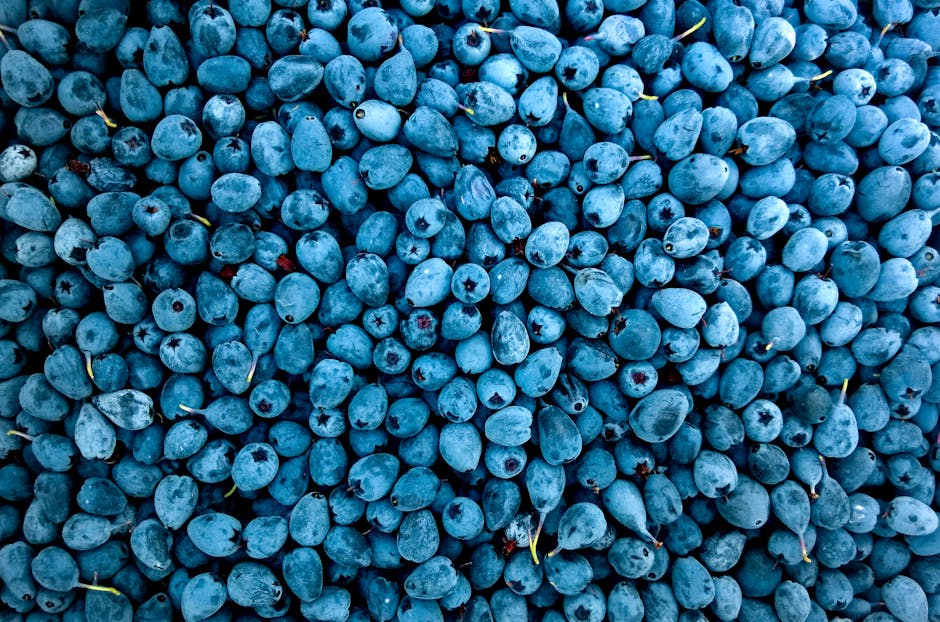
Blueberries are a superfood for a reason: they're bursting with antioxidants called flavonoids. Eating blueberries helps increase blood and oxygen flow to your brain, providing a natural concentration boost.
The antioxidants also fight oxidative stress, a process that can damage brain cells and lead to cognitive decline. Remarkably, women who ate two or more servings of strawberries and blueberries weekly delayed memory decline by up to two-and-a-half years. The flavonoids improve communication between brain cells, keeping your mind sharp.
Nuts and Seeds (Walnuts, Almonds)
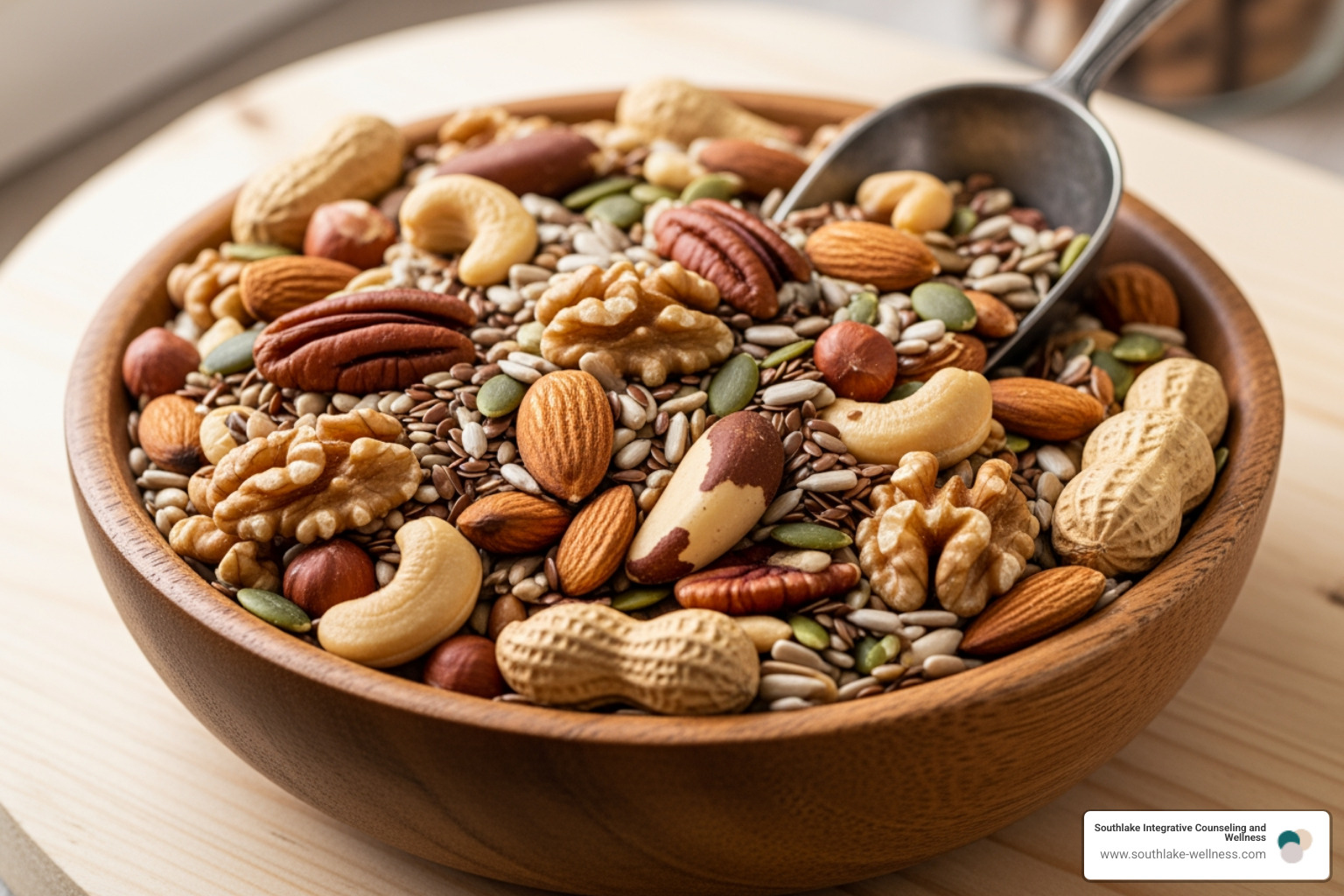
Nuts and seeds are excellent brain food, packed with vitamin E, an antioxidant linked to less cognitive decline with age. Walnuts are particularly beneficial, containing high levels of antioxidants and DHA, the omega-3 fatty acid also found in fish. This combination helps fight brain inflammation.
Different nuts offer various benefits. A variety of nuts and seeds provides healthy fats that protect your brain from free radical damage.
Top nuts for brain health:
- Walnuts (highest in omega-3s and antioxidants)
- Almonds (memory support)
- Pistachios (anti-inflammatory properties)
- Macadamias (brain function support)
Leafy Greens (Kale, Spinach, Arugula)

Leafy greens like spinach, kale, and arugula are brain protectors loaded with nutrients to keep your mind sharp. They deliver vitamin E, vitamin K, beta-carotene, and folate. Vitamin K helps sharpen memory, while vitamin E protects cells from damage.
Folate is especially important, as a deficiency can lead to depression and cognitive impairment. Adequate folate intake can help prevent cognitive decline and may even boost the effectiveness of antidepressants. The evidence is compelling, as research suggests that eating leafy greens daily may help keep minds sharp.
Eggs

Eggs are a versatile and affordable brain food. The yolk is rich in choline, a nutrient that reduces inflammation and supports brain cell communication. Choline is vital for memory and is a building block for a key memory-related brain chemical. It's also essential for fetal brain development.
Eggs also contain B vitamins (B6, B12, and folate), which are vital for brain function. They help break down homocysteine, an amino acid linked to stroke and Alzheimer's. Studies show these B vitamins can reduce brain shrinkage in older adults with mild cognitive impairment. Eggs also contain tryptophan, which the body uses to create serotonin, the "happiness molecule" that helps balance mood. This shows how a diet for focus also supports emotional health.
Dark Chocolate & Cacao

High-quality dark chocolate is good for your brain, as it's rich in flavonoids, caffeine, and antioxidants that support cognitive function. The flavonoids in dark chocolate improve blood flow to your brain, which improves learning and memory. Research shows these compounds have protective benefits, especially for older adults.
It also contains natural stimulants like caffeine and theobromine that gently boost alertness, mood, and focus. The key is moderation. A square or two can be part of a healthy diet for focus.
Beyond Food: Brain-Boosting Habits and Your Diet for Focus
The foods we've talked about are incredible brain boosters, but they work best when they're part of bigger, smarter eating habits. Building consistent patterns around how and when you eat is where the real magic happens for your diet for focus.
The Power of Consistent Meals and Hydration

Your brain needs a constant supply of glucose to function. Skipping meals, especially breakfast, causes blood sugar to drop, which impairs cognitive performance. Research shows that eating breakfast improves short-term memory and attention, providing the steady fuel needed for the day's mental challenges.
Hydration is also critical. Since the brain is about 75% water, even mild dehydration can reduce mental energy and impair memory. Feeling foggy or distracted can often be a sign you need water. The fix is simple: eat regular meals and keep water handy for better focus and clearer thinking.
Brain-Healthy Eating Patterns
Researchers have found that overall eating patterns are more important than individual foods. Three diets stand out for making a diet for focus effective.
The Mediterranean diet, rich in plants, olive oil, and fish, is known for its brain benefits. Its whole foods provide a symphony of nutrients that protect brain cells.
The DASH diet (Dietary Approaches to Stop Hypertension) is similar, focusing on whole foods and lean protein while reducing sodium. Since what's good for the heart is good for the brain, its heart-healthy status is a major plus.
The MIND diet (Mediterranean-DASH Intervention for Neurodegenerative Delay) combines the best of both for brain health, prioritizing leafy greens, berries, and fish. A 2021 study found it contributes to cognitive resilience, helping the brain stay sharp with age.
The common thread in these diets is an emphasis on whole, unprocessed foods rich in antioxidants, healthy fats, and complex carbs. They focus on consistently nourishing your brain.
What to Avoid in a Diet for Focus
Knowing what to avoid is as important as what to include in your diet for focus.
Refined sugars are a major culprit. Unlike the steady energy from whole grains, sugary foods cause blood sugar spikes and crashes, leaving you foggy and unable to concentrate.

Saturated and trans fats, found in fried and processed foods, increase brain inflammation and are linked to cognitive decline. Studies on "junk food" diets show they can harm cognitive performance quickly.
Processed foods often combine unhealthy fats and sugars, offering little nutrition while promoting brain inflammation. The typical Western diet has been linked to disrupted brain function. Even excess calories can be a problem, as they may reduce the brain's ability to form new connections and increase vulnerability to damage.
The good news? You don't need to be perfect. Small, consistent choices to reduce these brain-draining foods while increasing brain-boosting ones can make a real difference in how clearly you think and how well you focus. At Southlake Integrative Counseling and Wellness, we understand that sustainable change happens when we address both the physical and emotional aspects of our relationship with food, creating personalized approaches that support both mental clarity and overall well-being.
Brain Nutrition Through the Ages
Your brain's nutritional needs change as you move through different stages of life. A diet for focus looks different for a developing baby than it does for a busy professional or an active retiree. Understanding these shifting requirements helps you provide your brain with what it needs, when it needs it.
Fueling a Growing Brain: Diet in Pregnancy and Childhood
The foundation for a focused mind is laid before birth. A mother's diet during pregnancy profoundly shapes her baby's developing brain.
Omega-3 fatty acids are essential building blocks for the fetal brain. Research in the journal Child Development showed that babies given omega-3 enriched formula performed better on problem-solving tasks. Folate (vitamin B9) is also crucial during pregnancy for proper fetal brain development and preventing birth defects.
The first two years of life are a critical window for brain development. Brain cells grow rapidly and produce myelin, a fatty coating that allows for quick and efficient brain communication.

Simple dietary changes can improve a child's cognitive performance. Swapping simple carbs for complex carbohydrates and healthy fatty acids can improve short-term memory. Diets rich in fish, fruits, and vegetables are linked to better academic performance, while sugary and fatty diets are linked to problems with focus and self-control.
The Adult Diet for Focus: Maintaining Peak Performance
As adults, our brains need quality fuel to maintain productivity and clarity. A diet for focus helps sustain peak performance and build resilience.
Omega-3s remain essential. Getting enough can boost learning and memory, while a deficiency is linked to mood disorders and cognitive decline. Folate and other B vitamins (B6 and B12) are also crucial. Low levels are linked to depression and cognitive impairment. Supplementation can help prevent cognitive decline and support mental health.
The relationship between stress and concentration is particularly important during our working years. Managing daily pressures effectively can make or break our ability to focus. For practical strategies on handling stress while maintaining mental clarity, explore our guide on Holistic Stress Management Techniques.
Protecting Your Brain as You Age
While aging is inevitable, cognitive decline is not. A smart diet for focus can protect your brain and keep your mind sharp in later years.
As you age, your brain is more susceptible to oxidative damage. Antioxidant-rich foods, like berries, act as a protective shield. As mentioned earlier, regular berry consumption has been shown to delay memory decline by up to two-and-a-half years.
Omega-3s from fatty fish remain protective, helping to lower levels of beta-amyloid, a protein linked to Alzheimer's. Vitamin E from nuts and seeds is linked to less cognitive decline, as studies show a link between low vitamin E levels and poorer memory. Folate also remains important for preventing cognitive decline and dementia in older adults.
By maintaining a nutrient-rich diet throughout your lifetime—not just when problems appear—you're giving your brain the tools it needs to age gracefully and continue functioning at its best. At Southlake Integrative Counseling and Wellness, we understand that true mental wellness includes this kind of nutritional foundation, supporting both your emotional health and cognitive vitality as you steer every stage of life.
Frequently Asked Questions About Eating for Brain Health
Questions about diet for focus come up constantly in conversations about brain health. Let's explore some of the most common ones we hear.
How quickly can I see improvements in focus from changing my diet?
The answer depends on the change. Some effects are immediate. Eating a balanced breakfast can improve short-term memory and attention right away. Proper hydration can also provide a quick mental boost, as even mild dehydration impairs memory. Swapping a sugary snack for one with complex carbs and protein can quickly stabilize blood sugar, preventing energy crashes.
However, the most profound improvements take time. Building healthy brain cells and reducing inflammation are processes that unfold over weeks and months. Regular intake of nutrients from fish, berries, and leafy greens contributes to long-term structural changes in your brain.
Consistency is key. Think of it as compound interest for your brain; small, healthy choices you make today build on each other, creating lasting cognitive benefits.
Are brain health supplements as effective as whole foods?
While the idea of a brain-boosting pill is appealing, whole foods should always be your first choice for a diet for focus. Whole foods offer "nutrient synergy"—a complex package of vitamins, minerals, fiber, and other compounds that work together. Our bodies absorb and use these nutrients more effectively from food than from supplements.
Supplements also aren't as strictly regulated as medications, which can lead to issues with dosage, contamination, or interactions with other drugs.
However, supplements can be useful. A vegan might need a B12 or algae-based omega-3 supplement. If a blood test shows a deficiency, targeted supplementation is appropriate. Always work with a healthcare professional to assess your needs.
Can caffeine really improve my focus?
Yes, caffeine can provide a short-term concentration boost and increase alertness.
How it works: Caffeine blocks adenosine, a neurotransmitter that causes sleepiness. It also boosts other brain chemicals like dopamine, improving mood and cognitive function. Research confirms it can effectively maintain alertness and energy levels.
However, moderation is key. Too much caffeine can cause jitters, anxiety, and insomnia, ultimately reducing focus. For some, like those with hyperactivity, it can make concentration more difficult. Some research also suggests caffeine may help solidify new memories.
Enjoy your coffee or tea, but pay attention to your body's response and dial back if you experience negative effects. Your brain will thank you for finding that sweet spot where caffeine helps without causing problems.
Conclusion: A Holistic Approach to a Sharper Mind
As we've seen, a diet for focus directly shapes how clearly you think, and concentrate. We've learned that omega-3 rich fatty fish build our brain cells, while antioxidant-packed blueberries keep them communicating. Leafy greens slow cognitive decline, eggs provide choline for memory, and dark chocolate boosts blood flow for better focus. These are practical tools for daily use.
What matters most is patterns, not perfection. The Mediterranean, DASH, and MIND diets all guide us to eat whole foods, healthy fats, and colorful produce while minimizing refined sugars. Paired with consistent meals and hydration, this creates a foundation for sustained mental clarity.
Your brain's needs change throughout your life, from the critical development in pregnancy and childhood through the maintenance of adult years and the protective strategies that matter as we age. Understanding this helps us make choices that support cognitive health at every stage.
At Southlake Integrative Counseling and Wellness, we see the profound connection between what you eat and how you feel every day. A sharper mind, better memory, and improved focus aren't separate from your mental health – they're fundamental to it. The mind-body connection isn't just a concept; it's the reality we work with in every session.
Making conscious choices about your diet for focus empowers you to show up more fully in your life – whether that's at work, with family, or in pursuing what matters most to you. Small, consistent changes add up to meaningful improvements in both cognitive function and overall well-being.
Ready to find how personalized nutrition can improve your mental clarity and emotional balance? We offer functional nutrition counseling services custom to your unique needs, helping you build eating habits that support both your mind and body. Because when your brain has the fuel it needs, everything else becomes a little bit easier.