
Why Your Relationship with Food Matters More Than Your Diet
Mindfulness based eating is an approach that helps you pay full attention to your eating experience, tune into your body's natural hunger and fullness signals, and develop a healthier relationship with food—without strict rules or restriction.
Key principles of mindfulness based eating:
- Awareness - Notice what, when, why, and how you eat
- Non-judgment - Observe your eating patterns without criticism
- Internal cues - Trust your body's hunger and fullness signals instead of external diet rules
- Present moment - Focus fully on the eating experience using all five senses
- Self-compassion - Treat yourself with kindness, even after mindless eating
If you're tired of the diet cycle—restriction, deprivation, guilt, repeat—you're not alone. Most of us have been taught to follow external rules about food: count calories, avoid carbs, eat only at certain times, stick to tiny portions. But what if the problem isn't your willpower? What if the solution is actually listening to your body instead of fighting it?
Mindfulness based eating offers a different path. Instead of more rules, it teaches awareness. Instead of "good" and "bad" foods, it focuses on how you eat, not just what you eat. This approach helps you reconnect with your body's natural wisdom about hunger, fullness, and satisfaction.
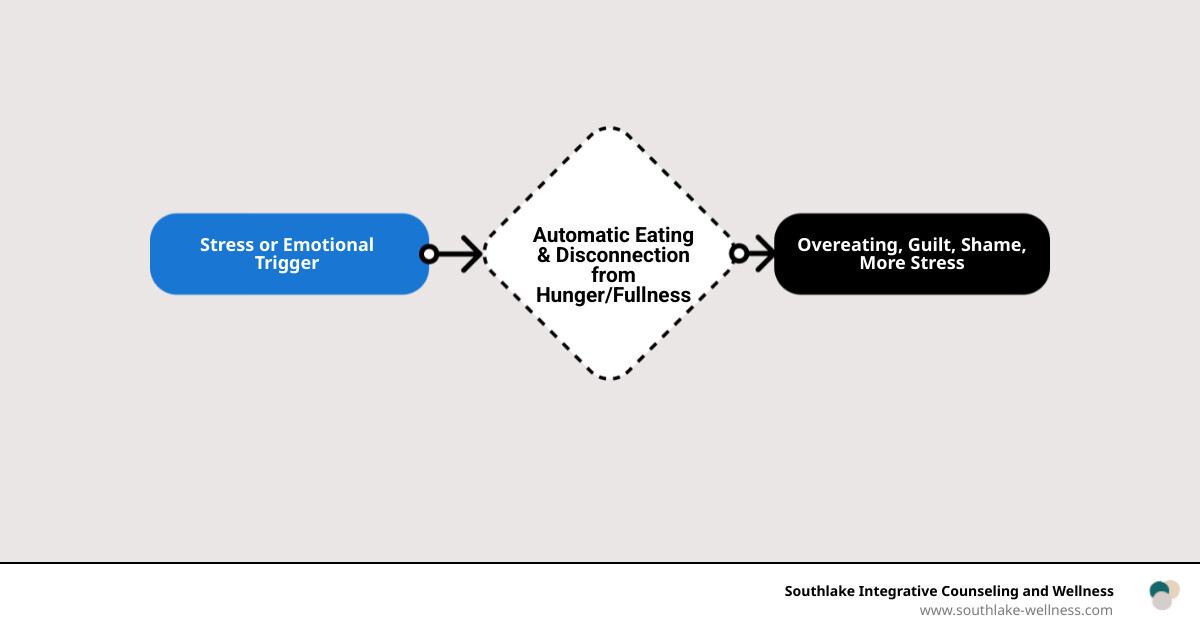
For many people dealing with stress, anxiety, or emotional eating, food becomes a coping mechanism rather than nourishment. The constant mental chatter about food—what you should eat, shouldn't eat, or already ate—only adds more stress to an already full plate.
I'm Holly Gedwed, a Licensed Professional Counselor Associate with 14 years of clinical experience specializing in trauma, addiction, anxiety, and depression using approaches like CBT and DBT. Through my work helping clients break unhealthy patterns, I've seen how mindfulness based eating can transform not just eating behaviors, but the underlying relationship people have with food and their bodies.
What is Mindful Eating? A Shift from Rules to Awareness
At its heart, mindful eating is about cultivating awareness around our food choices and the act of eating. It's less about strict dietary rules and more about understanding our body's signals, our emotional connection to food, and the overall experience of nourishing ourselves. Imagine sitting down to a meal not just to fill a void, but to truly engage with the food in front of you, savoring each bite. That's the essence of mindfulness based eating.
We live in a world that often encourages us to eat quickly, distracted by screens, work, or worries. This "mindless eating" can lead to overconsumption, digestive discomfort, and a feeling of dissatisfaction, even after eating a large meal. Mindful eating invites us to pause, observe, and engage, changing a routine act into a rich, sensory experience. It's about recognizing that our thoughts and feelings are intimately connected to our eating patterns, and by addressing one, we can positively influence the other.
FeatureMindful EatingTraditional DietingPrimary FocusAwareness, internal cues, relationship with foodExternal rules, calorie counting, weight lossRules & RestrictionsFew to none; encourages self-findyOften strict; "good" vs. "bad" foods, forbidden itemsMotivationHealth, well-being, pleasure, body wisdomWeight loss, body image, external validationSuccess MetricsImproved satisfaction, reduced emotional eating, better body trustNumber on the scale, adherence to meal planRelationship with FoodCompassionate, flexible, intuitiveOften adversarial, guilt-ridden, rigidLong-Term GoalSustainable, joyful eating habits, holistic wellnessShort-term results, often leading to rebound weight gain
Understanding the Core of Mindfulness Based Eating
The foundation of mindfulness based eating lies in paying full, non-judgmental attention to the present moment, specifically during the eating experience. This means engaging all five senses. We learn to truly see the vibrant colors on our plate, smell the enticing aromas, feel the textures in our mouth, hear the crunch of a crisp vegetable, and taste the complex flavors of our meal.
A crucial aspect is learning to listen to our body's internal signals. Have you ever eaten past the point of comfortable fullness simply because the food was there, or because you felt you "should" finish your plate? Mindfulness based eating encourages us to recognize genuine physical hunger cues before we eat and stop when we feel comfortably satisfied, not stuffed. This internal wisdom is often drowned out by external pressures and distractions.
Research highlights the conceptual foundation of mindfulness-based eating interventions, emphasizing their role in fostering awareness, self-regulation, and a more adaptive relationship with food. It's about cultivating a sense of gratitude for our food, understanding its journey to our plate, and appreciating the nourishment it provides. This simple act of gratitude can deepen our connection to our meals and improve the overall experience.
How It Differs from Dieting
The contrast between mindfulness based eating and traditional dieting couldn't be starker. Diets often impose strict rules, labeling foods as "good" or "bad," and leading to feelings of deprivation and guilt. They focus heavily on what we eat, often neglecting the more profound how and why behind our eating behaviors. This approach frequently results in a restrictive cycle that is difficult to maintain, leading to feelings of failure and a strained relationship with food.
Mindfulness based eating, on the other hand, accepts a philosophy of no forbidden foods. It's not about restriction, but about informed choice. We learn to notice how different foods make our bodies feel, both physically and emotionally, without judgment. This empowers us to make choices that truly serve our well-being, rather than rigidly adhering to external rules.
The focus shifts from chasing a specific weight or body size to building body trust and improving our overall relationship with food. This approach is inherently sustainable because it's rooted in self-awareness and self-compassion, rather than external pressures. By breaking the restrict-binge cycle that many diets inadvertently perpetuate, we can finally find peace and consistency in our eating habits. It's about fostering a relationship with food that is nourishing, enjoyable, and free from guilt.
The Science-Backed Benefits of Mindful Eating
The benefits of mindfulness based eating extend far beyond the dinner table, impacting our mental, emotional, and physical well-being. It's not just a trendy concept; a growing body of scientific research supports its effectiveness in improving various aspects of health.
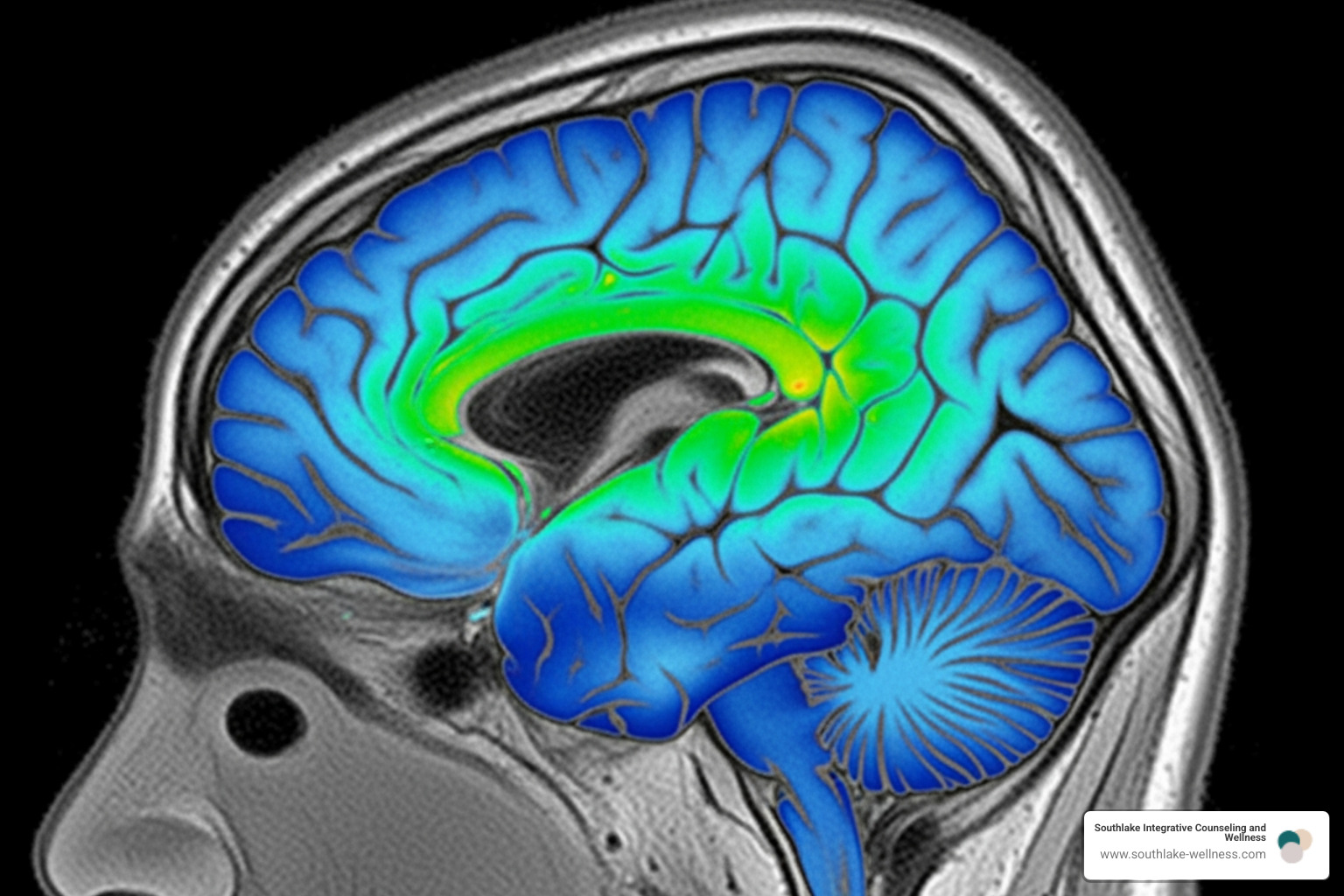
From a psychological perspective, mindful eating can significantly reduce stress and anxiety related to food. By shifting focus from judgment to observation, we can cultivate a more peaceful mindset around our meals. Physiologically, it aids in better digestion and nutrient absorption because when we eat slowly and mindfully, our body is better prepared to process food.
One of the most compelling benefits is the improvement in eating behaviors. Mindful eating has been shown to reduce instances of binge eating and emotional eating, helping individuals develop healthier coping mechanisms for stress and difficult emotions that don't involve food.
Distinguishing Physical vs. Emotional Hunger
A cornerstone of mindfulness based eating is learning to discern between physical and emotional hunger. This skill is vital for re-establishing a healthy connection with our body's needs.
Physical hunger is a gradual sensation that develops over time. It often manifests with physical cues below the neck, such as a rumbling stomach, lightheadedness, or a feeling of emptiness. It's a general desire for food, and most foods would be satisfying. Think of it like a gas tank running low – any fuel will do.
Emotional hunger, conversely, tends to be sudden and urgent. It often feels like a craving for a specific food (e.g., chocolate, chips) and originates above the neck, perhaps as a thought or a feeling. Emotional hunger often doesn't lead to physical satisfaction, even after eating, and can be followed by feelings of guilt or shame. It's often triggered by emotions like boredom, stress, loneliness, or anxiety.
Research underscores the importance of recognizing physical hunger cues to regulate food intake effectively. We encourage using "the pause" – taking a moment before eating to check in with your body and ask, "Am I truly hungry?" The body scan technique, a mindfulness practice, can also help you identify where hunger is felt in your body and if it's a true physical need.
Research on Mindfulness Based Eating for Specific Conditions
The scientific community has increasingly recognized the therapeutic potential of mindfulness based eating for a range of conditions. For instance, it has shown significant promise in addressing Binge Eating Disorder (BED), helping individuals become more aware of their triggers and develop healthier responses.
In the field of obesity and weight management, while not a diet for weight loss, mindful eating can indirectly support healthy weight by preventing overeating and improving satiety signals. For individuals with Type 2 Diabetes, mindful eating can aid in better blood sugar control by encouraging more conscious food choices and portion awareness.
A systematic review on mindfulness for eating behaviors highlighted its efficacy in reducing emotional eating, external eating (eating in response to environmental cues), and overall disordered eating patterns. The Mindful Eating-Awareness and Practice (MB-EAT) program, specifically, has been developed to integrate mindfulness practices with eating behaviors, yielding positive outcomes for participants. Furthermore, studies suggest that practicing mindfulness can lead to reduced depressive symptoms, which often co-occur with disordered eating. This holistic approach, which we accept at Southlake Integrative Counseling and Wellness, addresses not just the eating behavior but the underlying emotional landscape.
Practical Strategies for Mindfulness Based Eating
So, how do we bring this powerful practice into our daily lives? It's simpler than you might think, and it starts with a few practical adjustments to our eating environment and habits.

One of the first steps is creating a mindful environment. This means removing distractions. Put away your phone, turn off the TV, close your laptop. Treat your mealtime as a sacred space, even if it's just for 15 minutes. This allows your full attention to be on your food and your body's experience.
Another key strategy is eating slowly. We often rush through meals, barely tasting what we're consuming. By deliberately slowing down, we give our body time to register fullness signals. Chewing thoroughly is also vital; it aids digestion and allows us to fully experience the flavors and textures of our food. Finally, take a moment to appreciate your food – where it came from, the effort involved in preparing it, and the nourishment it provides. This simple act of gratitude can deepen your connection to your meal.
Using Mindfulness to Manage Cravings
Cravings are a normal part of the human experience, but how we respond to them can significantly impact our eating patterns. Mindfulness based eating offers powerful tools to manage cravings without succumbing to them mindlessly.
Instead of fighting a craving or immediately giving in, try observing it without judgment. Think of it like watching a cloud pass by in the sky – acknowledge its presence, but don't get swept away by it. This is often referred to as the "urge surfing" technique, where you ride the wave of the craving, knowing it will eventually crest and subside.
Identifying triggers is another crucial step. What situations, emotions, or thoughts tend to spark your cravings? Is it stress, boredom, a particular time of day, or being around certain foods? Once you know your triggers, you can develop proactive strategies. A study published in Appetite demonstrated that mindfulness training can be effective in reducing food cravings.
Consider techniques like "delay and distract." When a craving hits, tell yourself you'll wait 10-15 minutes before acting on it. During that time, engage in a distracting activity – take a short walk, call a friend, read a book. Often, the intensity of the craving will diminish. If the craving persists, consider a mindful substitution. Can you find a healthier alternative that satisfies a similar sensory need, or choose a smaller, more mindful portion of the desired food?
Effective Mindful Eating Exercises to Try Today
Here are some simple yet powerful mindful eating exercises you can incorporate into your daily routine right away:
- The Raisin Exercise: This classic exercise involves slowly and deliberately eating a single raisin (or any small piece of food). Hold it, notice its color, texture, and smell. Place it in your mouth, but don't chew immediately. Explore its texture with your tongue. Then, slowly chew, paying attention to the burst of flavor and how it changes. Notice the urge to swallow. Swallow consciously, and then notice any aftertaste. This exercise trains you to engage all senses.
- A Mindful Sip of Water: Before you drink, notice the temperature of the water, its clarity, and how it feels in your hand. As you take a sip, feel it enter your mouth, taste it, and sense it moving down your throat. Notice how it quenches your thirst.
- The Hunger-Satiety Scale (0-10): Before, during, and after eating, rate your hunger and fullness on a scale of 0 (ravenous) to 10 (uncomfortably stuffed). Aim to start eating around a 3-4 (moderately hungry) and stop around a 6-7 (comfortably satisfied). This helps you tune into your body's signals.
- One-Bite Mindfulness: For one bite of your meal, commit to eating it with absolute presence. Notice everything about that single mouthful – the flavors, textures, smells, and your body's response. Then, you can return to a more natural pace, knowing you've practiced a moment of mindfulness.
- A 5-Minute Mindful Meal: Dedicate just five minutes of one meal to complete silence and focus. No phone, no TV, no conversations. Just you and your food. Notice the colors, the smells, the act of chewing, and the sensations in your body. Even a short period of focused attention can make a big difference.
Overcoming Common Challenges in Mindful Eating
Starting on a journey of mindfulness based eating is incredibly rewarding, but like any new skill, it comes with its own set of challenges. It's completely normal to feel impatient with slow eating, especially in our society. Social situations and eating out can also present problems, as we steer peer pressure or unfamiliar food environments. It's easy to deal with guilt after a moment of mindless eating, or simply forget to be mindful amidst a busy day. And sometimes, you might even feel like it's "not working" if you don't see immediate, dramatic changes.
At Southlake Integrative Counseling and Wellness, we understand these struggles. We believe that self-compassion is paramount. There's no such thing as "perfect" mindful eating. Every meal is a new opportunity to practice, and every slip-up is a chance to learn without judgment.
Tips for Staying Consistent
Consistency is key to cultivating any new habit, and mindfulness based eating is no exception. Here are some tips to help you stay on track and integrate these practices into your daily life:
- Start with one meal a day: Don't feel pressured to practice mindful eating at every single meal from day one. Choose one meal, perhaps breakfast or lunch, and dedicate yourself to practicing mindfulness during that time. Once you feel comfortable, gradually expand to more meals.
- Use reminders: Place sticky notes on your fridge or pantry, set phone alerts, or even put a small token on your plate before eating to remind yourself to pause and be present.
- Practice self-compassion: There will be times when you eat mindlessly. Instead of beating yourself up, acknowledge it, learn from it, and gently redirect your attention to the next eating opportunity. This is a journey, not a destination.
- Find a support system: Share your mindful eating journey with a trusted friend, family member, or join a support group. Having others to share experiences and challenges with can be incredibly motivating. At Southlake Integrative Counseling and Wellness, we offer personalized support to help you integrate these practices effectively.
- Journaling your experiences: Keeping a food journal, not to count calories, but to note your hunger levels, emotions before and after eating, and how different foods make you feel, can provide valuable insights and reinforce your awareness.
Frequently Asked Questions about Mindfulness Based Eating
As we explore mindfulness based eating, it's natural to have questions. Here, we address some of the most common inquiries we hear at Southlake Integrative Counseling and Wellness.
How long does it take to see results from mindful eating?
The timeframe for seeing "results" from mindfulness based eating can vary greatly, as it's less about speed and more about the process of developing awareness. Some benefits, like a reduced feeling of stress during meals or a greater appreciation for food, can be almost immediate. You might notice subtle shifts in your awareness within a few weeks. However, for deeper changes in ingrained habits, such as consistently recognizing hunger and fullness cues or reducing emotional eating, it typically takes weeks to several months of consistent practice. This is about cultivating a new relationship with food and your body, which is a gradual, evolving process. Consistency and patience are far more important than speed.
Can mindful eating help me lose weight?
While weight loss is often a desired outcome for many people, it's crucial to understand that it is not the primary goal of mindfulness based eating. Instead, the focus is on improving your relationship with food, enhancing awareness, and fostering overall well-being. However, for many individuals, weight loss can be a natural and healthy side effect.
By becoming more attuned to your body's hunger and fullness signals, you naturally prevent overeating. You learn to eat when you're truly hungry and stop when you're comfortably satisfied, rather than eating out of habit, emotion, or external pressure. This improved regulation of satiety signals, coupled with a reduction in binge eating and emotional eating, can lead to a more balanced and sustainable intake of food, which in turn may result in gradual, healthy weight changes. A systematic review indeed found that mindfulness interventions can be associated with weight loss, particularly for individuals with obesity. The key is that this weight change occurs as a byproduct of a healthier, more intuitive eating pattern, rather than through deprivation or strict dieting.
Do I have to meditate to practice mindful eating?
This is a common misconception! While formal meditation practices can certainly improve your ability to be present and aware, you absolutely do not have to meditate to practice mindfulness based eating. Mindful eating itself is a form of informal mindfulness.
The core of mindful eating is simply bringing present-moment awareness to the act of eating. This means paying attention to your food, your body's sensations, and your thoughts and emotions during your meals and snacks. You can achieve this by consciously engaging your senses, slowing down, and checking in with your hunger and fullness cues. While some people find that a regular meditation practice deepens their overall mindfulness, it is not a prerequisite for starting or benefiting from mindful eating. You can begin right now, at your very next meal, just by focusing your attention.
Conclusion
We've explored how mindfulness based eating offers a refreshing and sustainable alternative to the endless cycle of diets. It's a journey from external rules to internal wisdom, from mindless consumption to conscious nourishment. By embracing awareness, non-judgment, and self-compassion, we can transform our relationship with food, making it one of peace, pleasure, and genuine well-being.
This approach empowers us to reconnect with our body's innate intelligence, distinguishing between physical and emotional hunger, savoring each bite, and ultimately fostering a healthier, more intuitive relationship with both food and ourselves. It's not about perfection, but about progress – one mindful bite at a time. It's a journey, not a destination, offering a path to empowerment through awareness.
At Southlake Integrative Counseling and Wellness, located right here in Southlake, Texas, we understand that true wellness encompasses both mind and body. We believe in providing holistic mental healthcare, combining evidence-based therapies with integrative approaches to promote emotional balance and resilience. Our unique perspective emphasizes the profound mind-body connection, and mindfulness based eating is a perfect example of how these elements intertwine. We're here to support you in developing personalized treatment plans that foster a healthier, more fulfilling life.
We invite you to learn more about our holistic approach to wellness and find how we can support you on your journey to a more mindful and balanced life. Learn more about our holistic approach to wellness.