
Understanding What Chronic Stress Really Means
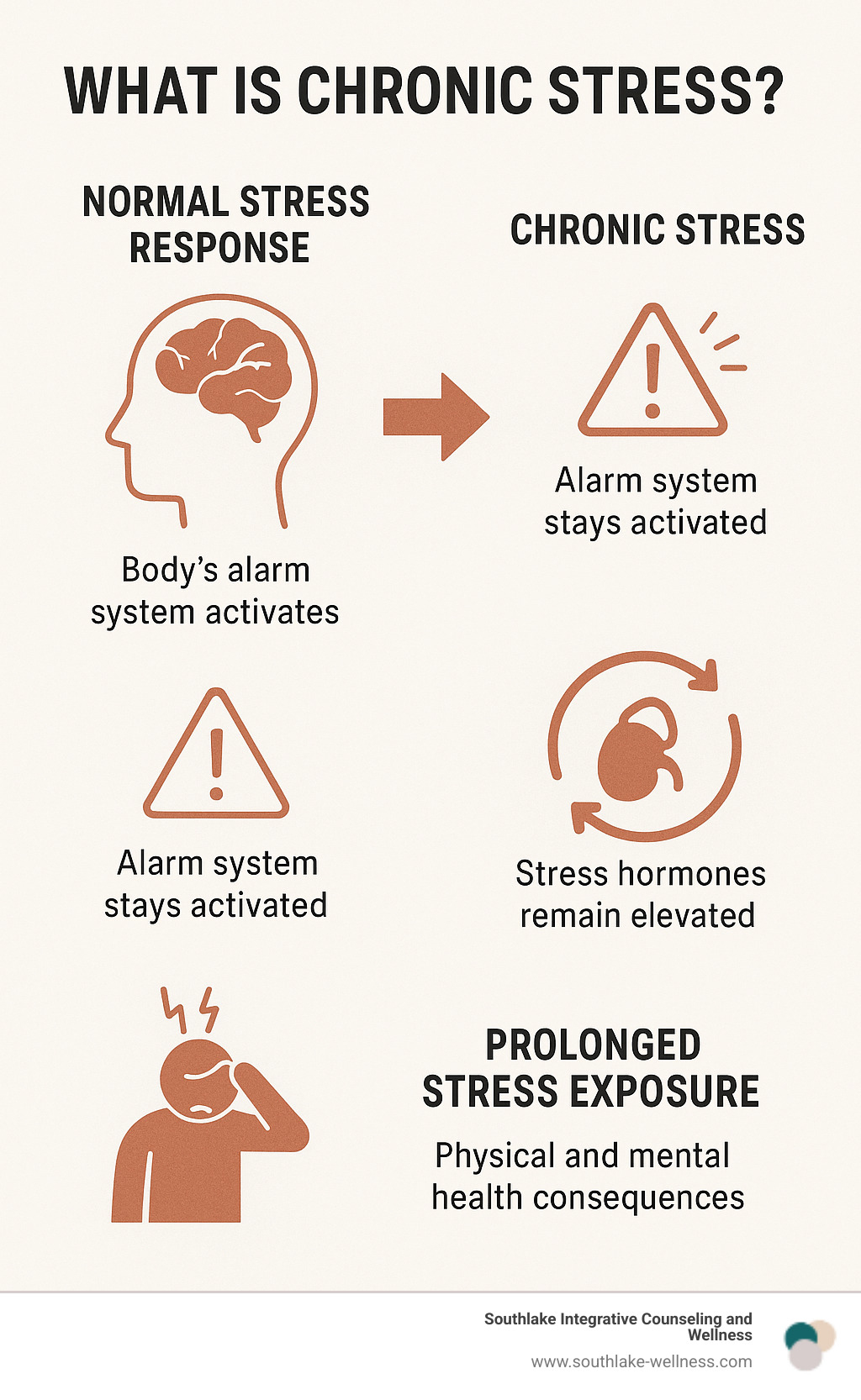
What is chronic stress and how does it differ from the normal stress we all experience? Unlike short-term, or acute, stress that helps us meet deadlines, chronic stress is a persistent state of feeling pressured and overwhelmed that lasts for weeks, months, or even years. The key difference is that chronic stress keeps your body's alarm system constantly "on."
Think of your body's stress response as a fire alarm: it goes off when there's danger, then shuts off when the threat passes. But with chronic stress, it's like that alarm is stuck in the "on" position, blaring 24/7. Your brain detects a threat, floods your system with hormones like cortisol and adrenaline, and your heart rate increases. But instead of returning to normal, your body stays in this high-alert mode, which slowly drains your psychological resources and damages your body over time.
As Holly Gedwed, an LPC-Associate with 14 years of clinical experience specializing in trauma and stress-related conditions, I've seen how understanding what is chronic stress becomes the crucial first step in helping clients break free from feeling constantly overwhelmed. My work focuses on helping individuals recognize these patterns and develop healthier ways to process life's inevitable pressures.
Understanding the Different Types of Stress
To truly grasp what is chronic stress, it helps to distinguish it from other forms of stress. Stress is a natural human reaction to challenges (stressors), where our bodies produce physical and mental responses.
- Acute Stress: This is the most common type of stress, and it's short-term. It comes and goes quickly, often manifesting as a "fight-or-flight" reaction to an immediate, perceived threat, like the rush of adrenaline before a big presentation. Once the threat is over, our systems return to normal.
- Episodic Acute Stress: Some individuals experience acute stress frequently. They might always seem to be in a rush, taking on too many responsibilities, or constantly feeling overwhelmed by self-imposed deadlines. This is sometimes called "Type A" personality stress. While each instance is an acute stressor, the consistent pattern means the body rarely gets a break.
What is chronic stress and its common causes?
Unlike its acute counterparts, chronic stress is long-term stress that goes on for weeks, months, or even years. It's a continuous, overwhelming feeling that your body's alarm system has forgotten how to turn off, leading to prolonged exposure to stress hormones like cortisol and adrenaline. This constant activation results in significant "wear and tear" on our bodies and minds.
Common causes of chronic stress are varied and personal, often involving persistent issues that feel difficult to resolve, such as workplace problems, financial difficulties, challenging relationships, or chronic illness. Broader concerns about the world can also be a source of chronic stress.
The American Psychological Association's (APA) "Stress in America 2023" survey highlighted that finances were a top stressor for many. The same survey also described the COVID-19 pandemic as a "collective trauma," illustrating how large-scale societal events can contribute to widespread chronic stress.
Adverse Childhood Experiences (ACEs) – such as abuse, neglect, or household dysfunction – can also profoundly shape how we react to stress throughout our lives. According to the APA, a significant portion of adults have experienced at least one ACE, and these experiences can lead to a heightened stress response, making individuals more vulnerable to what is chronic stress in adulthood.
The American Psychological Association on collective trauma
Type of StressDurationCommon CausesTypical SymptomsAcute StressMinutes to daysImmediate events (e.g., presentation, argument, near-miss while driving)Rapid heartbeat, brief anxiety, sweaty palms, short-term GI upset; resolves after the eventEpisodic Acute StressRecurring short-term episodesOvercommitment, perfectionism, frequent crises, "Type A" tendenciesFrequent headaches, irritability, sleep disruption; feeling constantly rushedChronic StressWeeks to yearsOngoing work/financial pressure, caregiving, relationship conflict, chronic illness, unsafe environmentsPersistent worry, fatigue, muscle tension, sleep problems, low mood; stress response rarely turns off
The Science of Being "Stuck": How Your Body Responds to Constant Pressure
Understanding what is chronic stress means looking at how our bodies handle pressure. Your stress response system is like a built-in alarm that's designed to keep you safe. But what happens when that alarm gets stuck in the "on" position?
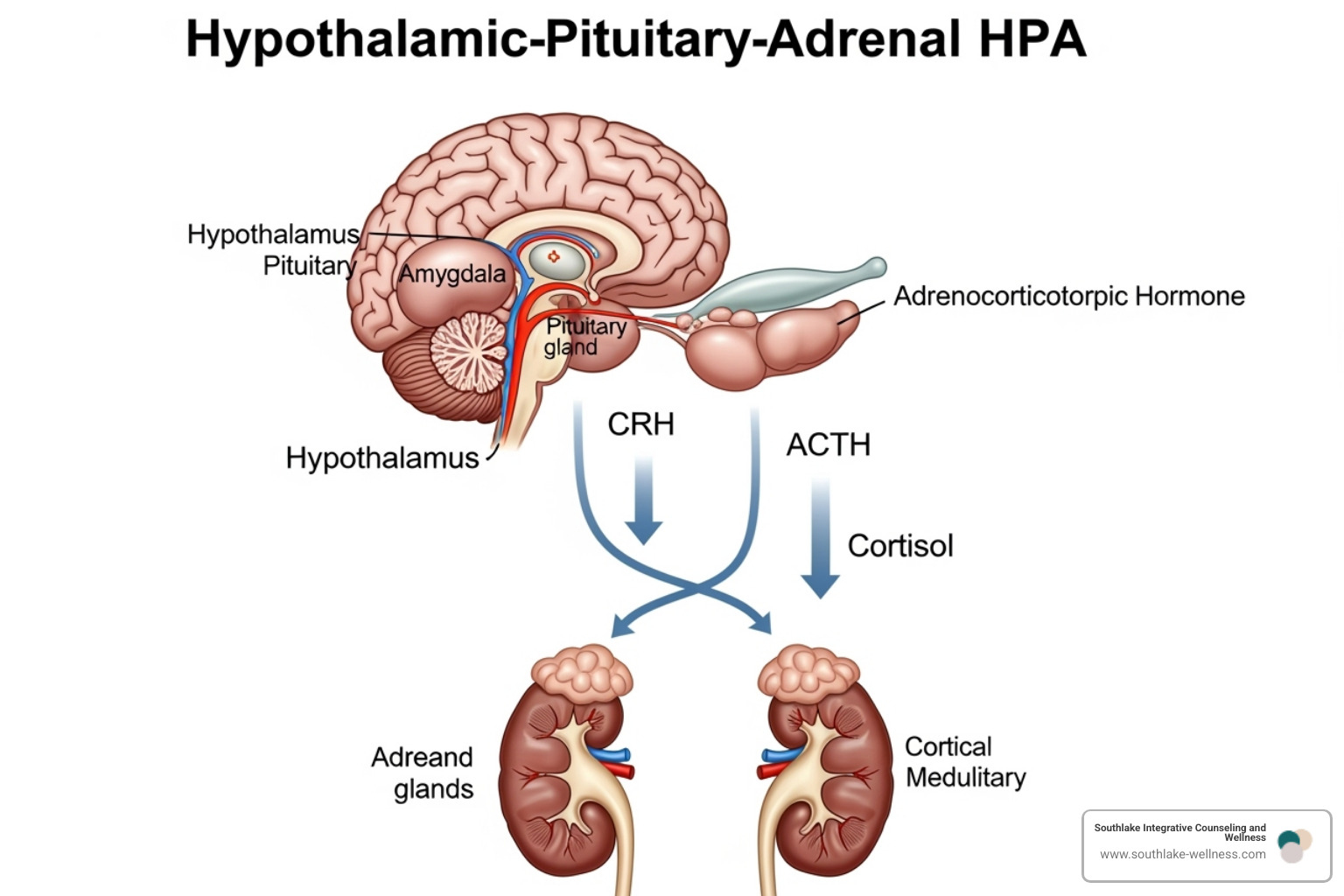
Your body's emergency response team is the hypothalamic-pituitary-adrenal (HPA) axis. When your brain perceives a threat, the hypothalamus signals the pituitary gland, which then alerts your adrenal glands. These glands release hormones like adrenaline for an instant energy boost and cortisol, the stress hormone, which increases blood sugar and sharpens focus while pausing non-essential functions like digestion. This system works to maintain homeostasis, or your body's internal balance.
The "Fight-or-Flight" Response Explained
Your fight-or-flight response is an automatic survival mechanism. When stress hits, your sympathetic nervous system takes over, increasing your heart rate, quickening your breath, and tensing your muscles. Energy is diverted from processes like digestion to prepare you for immediate action. This is incredibly effective for short-term emergencies, enabling you to react quickly to danger.
When the Alarm Never Shuts Off: Allostatic Load
This is where understanding what is chronic stress becomes crucial. While the stress response is brilliant for short-term threats, problems arise when it stays activated for weeks or months. This state of constant adjustment is called allostasis, and the cumulative wear and tear on your body is known as allostatic load.
When your internal alarm never shuts off, you experience system dysregulation. The feedback loops that control stress hormones malfunction, leading to persistently high cortisol levels. This can cause:
- Suppressed immune function: You become more vulnerable to infections and inflammation.
- Digestive system disruption: Constant diversion of energy from the gut can lead to stomach problems and irritable bowel syndrome.
- Growth process inhibition: In children and teens, chronic stress can interfere with physical and mental development as the body prioritizes survival over growth.
Essentially, when your body's alarm system is always on, it slowly wears down the systems that keep you healthy. Understanding this process is the first step toward breaking free from the grip of chronic stress.
The Toll of Time: How Chronic Stress Impacts Your Health
Understanding what is chronic stress means recognizing its profound impact on our overall health. It's not just "in your head"; sustained stress creates a powerful mind-body connection that can lead to a cascade of physical and mental health issues.
Physical Health Risks: From Headaches to Heart Disease
When the body's stress response is constantly activated, it can lead to serious physical health problems due to the "wear and tear" on your systems.
- Cardiovascular Issues: Chronic stress can contribute to high blood pressure, increasing the risk of heart disease and stroke.
- Digestive Problems: With digestion suppressed during stress, you may experience stomachaches, nausea, and other gut issues.
- Weakened Immune System: Your immune system becomes less effective, making you more susceptible to infections and illness.
- Muscle Tension and Pain: Constant muscle readiness leads to chronic tension, frequent headaches, and body aches.
- Sleep Problems: Chronic stress often causes insomnia, disrupting restful sleep and worsening the stress cycle.
- Weight Gain: Stress can increase cravings for unhealthy foods, and cortisol promotes fat storage, often leading to weight gain.
- Skin Issues: Stress can trigger or worsen conditions like acne, eczema, and stress rashes.
Mental and Emotional Consequences
The mental and emotional toll of what is chronic stress is equally significant, often creating a cycle of distress.
- Anxiety and Depression: Chronic stress is a major risk factor for developing anxiety and depression, leading to feelings of sadness, hopelessness, and loss of interest.
- Irritability and Mood Swings: The ability to regulate emotions diminishes, making you more prone to irritability and anger.
- Cognitive Impairment: Chronic stress can impair focus, decision-making, and memory.
- Burnout: Prolonged work-related stress can lead to burnout—a state of emotional, physical, and mental exhaustion.
- Behavioral Changes: People may turn to unhealthy coping mechanisms like substance use, overeating, or social withdrawal.
Chronic stress impacts cognitive functioning and emotion regulation, leading to feelings of being "stuck" and incapable of changing one's situation.
Reclaiming Your Calm: Holistic Strategies for Managing Chronic Stress
While it can feel overwhelming, you have the power to reclaim your sense of calm from chronic stress. The key isn't to eliminate stress entirely, but to build resilience and develop effective coping strategies. At Southlake Integrative Counseling and Wellness, we champion a holistic approach that honors the mind-body connection.

Think of stress management as requiring both immediate care and long-term planning. Let's explore both.
Holistic Stress Management Techniques
Mind-Body Techniques for Immediate Relief
When your nervous system is in high-alert mode, you can use these techniques to activate your body's natural relaxation response.
- Deep breathing exercises: Consciously slowing your breath sends a calming signal to your nervous system. Try the 4-7-8 technique: inhale for 4 counts, hold for 7, exhale for 8.
- Meditation: Even five minutes of guided meditation can quiet the mental chatter that fuels stress. Our Mindfulness Based Group Therapy can provide community support.
- Yoga and Tai Chi: These practices combine movement, breath, and mindfulness to release physical tension and calm the nervous system.
- Progressive muscle relaxation: This technique involves tensing and then relaxing different muscle groups to become more aware of and release physical tension.
Lifestyle Adjustments for Long-Term Resilience
Building lasting resilience requires nurturing your well-being through consistent daily choices.
- Healthy Diet: Focus on nourishing foods like leafy greens, lean proteins, and omega-3s to stabilize blood sugar and support your nervous system.
- Regular Physical Activity: A daily 15-minute walk can shift your mood and help your body process stress hormones.
- Sleep Hygiene: Prioritize a consistent sleep schedule and a relaxing bedtime routine to break the cycle of stress and poor sleep.
- Boundaries and Time Management: Learn to say "no" to protect your energy and break large tasks into smaller, manageable steps.
- Hobbies and Social Support: Engage in activities you enjoy and connect with your support network. Sharing your struggles can reduce isolation.
- Practicing Gratitude: Train your brain to notice the good, which helps counteract the negative focus that chronic stress often creates.
Knowing When to Seek Professional Help
Sometimes, self-care isn't enough. It's a sign of strength, not weakness, to seek professional help when you feel persistently overwhelmed, your symptoms don't improve, or you're relying on unhealthy coping mechanisms. Professional therapy, such as Trauma Therapy Southlake, can provide a safe space to explore the root causes of your stress and develop personalized strategies.
If you're having suicidal thoughts, please reach out immediately. The 988 Suicide & Crisis Lifeline is available 24/7. Seeking help is a courageous step toward healing.
Frequently Asked Questions about Chronic Stress
Here are answers to some of the most common questions about what is chronic stress.
Can you fully recover from chronic stress?
Yes, you can absolutely recover from chronic stress. Recovery doesn't mean eliminating all stress, but rather developing the resilience and coping skills to manage it effectively. Through consistent lifestyle changes, mind-body techniques, and sometimes professional support, you can retrain your body's stress response. This process is supported by neuroplasticity—your brain's ability to adapt and form new, healthier response patterns over time.
What is the difference between burnout and chronic stress?
While related, they aren't the same. Chronic stress is a broad term for prolonged stress from any area of life (relationships, finances, health). Burnout, however, is specifically work-related stress that hasn't been managed. It's characterized by emotional exhaustion, cynicism towards your job, and a feeling of reduced professional ability. While symptoms overlap, burnout's source is occupational.
How do I know if my physical symptoms are caused by stress?
This is a common and important question. The first step is always to consult a healthcare provider to rule out any underlying medical conditions. Once other causes are eliminated, try keeping a symptom journal. Note when physical symptoms (like headaches or stomach issues) appear and what was happening in your life at that time. This can help you identify patterns and see how your body is reacting to stress. Our approach to Personalized Mental Health Care can help you connect the dots between your emotional and physical well-being.
Begin Your Journey to Wellness in Southlake, TX
Understanding what is chronic stress is the first step. You've learned how it keeps your body's alarm system stuck on, affecting your physical and emotional well-being. But the most important takeaway is that you are not powerless. Recovery and healing are possible, and your body has an incredible capacity to bounce back with the right support.
The journey to calm is unique for everyone. It may involve mind-body techniques, lifestyle changes, or professional support. At Southlake Integrative Counseling and Wellness, we recognize that your experience with stress is personal. Our holistic approach combines evidence-based therapies with alternative modalities, focusing on the powerful mind-body connection to create a personalized treatment plan for you.
Whether you're facing work pressure, relationship challenges, or the effects of past trauma, we are here to help. Taking the first step can be daunting, but it's a sign of strength. If you're ready to build resilience and stop feeling stuck, we invite you to begin your journey with us.
Find personalized support with individual therapy in Southlake, TX