
Understanding Your Options Beyond Traditional Medication
When you're struggling with depression, finding the right treatment can feel like a journey. While antidepressant medications are a common starting point, they don't work for everyone. In fact, studies show that a significant number of people don't find relief from medication alone. This is where alternative depression treatments come in. From lifestyle adjustments and nutritional support to innovative therapies, there are many paths to feeling better. This guide will explore those options, helping you understand the landscape of possibilities beyond traditional medication.
Key Alternative Treatment Categories:
- Lifestyle Interventions: Exercise, nutrition, and sleep hygiene.
- Natural Supplements: St. John's Wort, Omega-3s, and others.
- Advanced Procedures: TMS, Esketamine, and other medical treatments.
- Psychotherapy: Cognitive Behavioral Therapy (CBT) and other talk therapies.
Why Standard Antidepressants Aren't Always the Answer
If your antidepressant hasn't helped, you're not alone. The STAR*D study found only about one-third of people improve on their first medication, with success rates dropping after each subsequent trial. That doesn't mean you can't get better—it means depression is complex and often requires a broader, more personalized plan.
Antidepressants can be life-changing for many, but when side effects are intolerable or benefits are limited, exploring alternative depression treatments makes sense. Our team takes a whole-person view and integrates evidence-based care with complementary options. Learn more about our Holistic Approach to Depression.
What is Treatment-Resistant Depression?
Generally, treatment-resistant depression (TRD) means you've tried at least two antidepressants at adequate doses and durations but still have significant symptoms. About 30% of people with major depression fit this description. A second opinion and a more custom plan can open new paths to recovery.
Factors Affecting Treatment Success
Several overlapping issues can limit medication benefits:
- Medication adherence and reaching a therapeutic dose
- Co-occurring medical conditions (for example, thyroid issues)
- Drug or supplement interactions
- Lifestyle contributors (sleep, nutrition, physical activity, alcohol/substances)
- Potential misdiagnosis (for example, bipolar spectrum)
We design care around you—biology, history, and goals. Explore our guide to Personalized Mental Health Care to see how we tailor treatment.
Lifestyle and Mind-Body Therapies for Mental Well-being
The way you move, eat, sleep, and manage stress profoundly shapes mood. At Southlake Integrative Counseling and Wellness, we emphasize the Mind-Body Connection, integrating practical daily habits with therapy to support lasting change.
The Power of Physical Activity
Exercise boosts endorphins and increases brain-derived neurotrophic factor (BDNF), supporting healthier neural connections. Regular activity can significantly reduce depressive symptoms—sometimes rivaling medication in effect. Options that work well for many people include aerobic exercise, yoga, strength training, cycling, and dance. Short, consistent sessions count.
Nutrition's Role in Mood Regulation
An anti-inflammatory, whole-food approach—often modeled after the Mediterranean diet—supports brain health. In the SMILES trial, 12 weeks of dietary improvements meaningfully reduced depressive symptoms. Nourishing your gut (the gut-brain axis) can help mood stability. See our Holistic Coping Strategies for ideas you can use today.
Mindfulness, Sleep, and Stress Reduction
Mindfulness practices help interrupt rumination, while solid sleep habits and stress-reduction techniques (breathwork, progressive muscle relaxation) strengthen emotional regulation. Small, consistent changes compound over time. Explore our Holistic Stress Management Techniques to get started.
Natural Supplements and Herbal Remedies
When you're searching for alternative depression treatments, natural options can be appealing—yet "natural" doesn't always mean safe or effective. Quality varies, and many products aren't FDA-approved. For reliable information, visit the National Center for Complementary and Integrative Health (NCCIH). Always talk with your clinician before starting anything new.
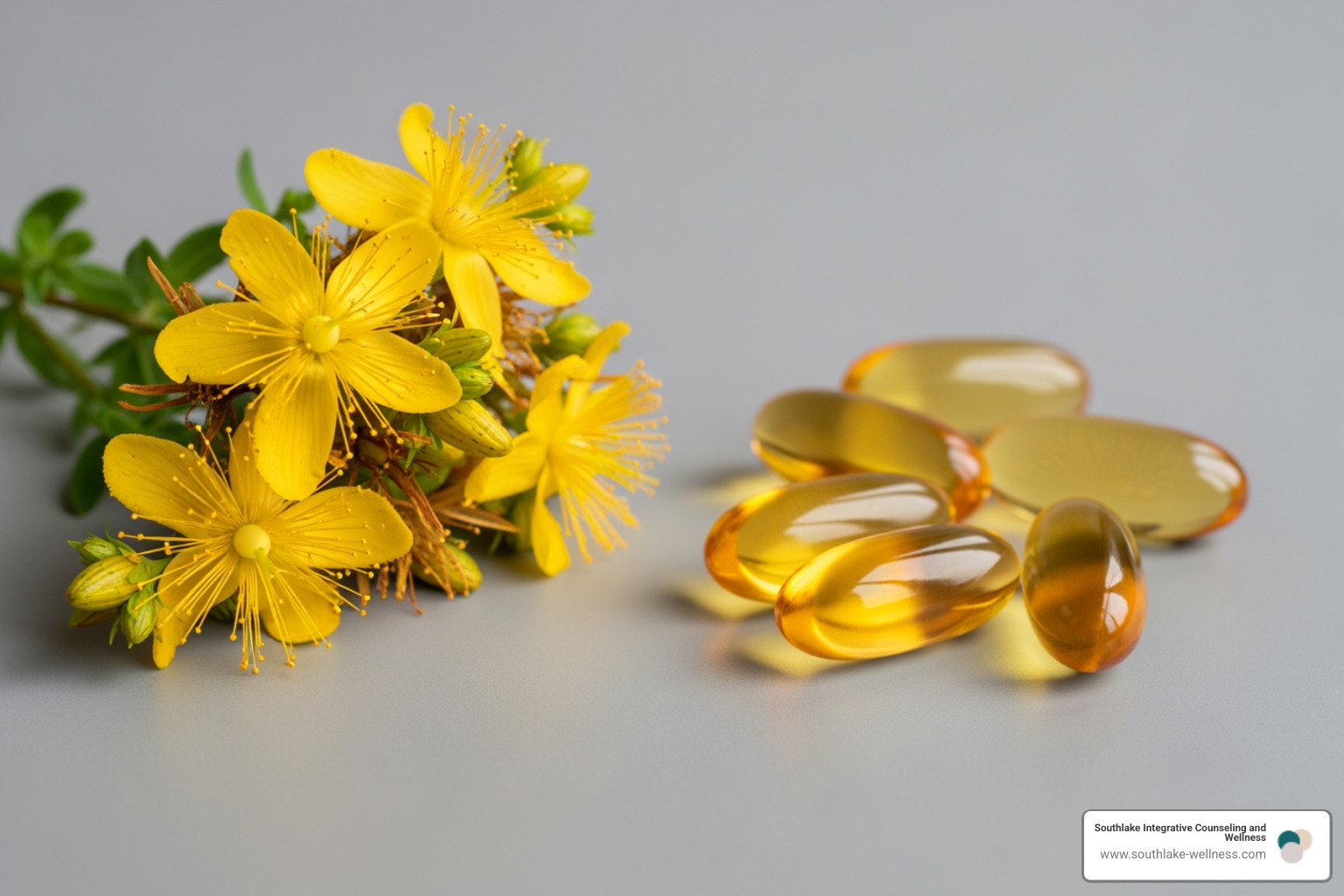
Promising Supplements for Depression
- St. John's Wort: Can be as effective as SSRIs for mild to moderate depression in some studies; see evidence. Not well studied for severe depression.
- SAMe (S-adenosylmethionine): May help mood; findings are mixed.
- Omega-3 fatty acids: May modestly reduce symptoms and support brain health.
- Vitamin D: Helpful if you’re deficient.
- Iron: Low iron can worsen mood; correct deficiencies under medical guidance.
- Probiotics/prebiotics: Early research suggests mood benefits through the gut-brain axis.
Key Considerations for These Alternative Depression Treatments
- Drug interactions: St. John's Wort can interact with many medications and increase the risk of serotonin syndrome when combined with antidepressants.
- Quality variability: Potency and purity can differ widely between brands.
- Evidence gaps: Some data are promising, but not definitive.
We can help you weigh risks and benefits and coordinate care safely. See our Integrative Therapy Guide.
Advanced and Procedural Alternative Depression Treatments
For people with treatment-resistant depression, advanced medical options can offer targeted relief when standard care hasn't helped. These are typically FDA-approved, supervised treatments with growing evidence bases.
TreatmentEfficacy (Response/Remission)Treatment DurationKey Side EffectsTranscranial Magnetic Stimulation (TMS)Many achieve response; some reach remissionDaily sessions for 4–6 weeks (varies by protocol)Mild headache, scalp discomfortElectroconvulsive Therapy (ECT)High response rates, especially for severe depression2–3 times/week for several weeksShort-term memory issues, headache, confusionKetamine/EsketamineOften rapid symptom reliefInduction then maintenance (varies)Dissociation, increased blood pressureVagus Nerve Stimulation (VNS)Long-term benefits for someImplanted device, ongoingHoarseness, cough, throat discomfort
We always recommend consulting with a qualified healthcare provider before making significant changes to your treatment plan. Our team at Southlake Integrative Counseling and Wellness provides personalized, integrative care to help you evaluate these options thoughtfully.
Why Standard Antidepressants Aren't Always the Answer
If you've tried antidepressants without success, you're not alone. The largest study on this topic, the STAR*D trial, found that only about a third of people find relief from their first medication, and the success rate drops with each subsequent medication tried.
This isn't a personal failure; it's a reflection of the complexity of depression. It's influenced by genetics, life experiences, physical health, and lifestyle. A single pill often can't address all these factors.
What is Treatment-Resistant Depression (TRD)?
When you've tried at least two different antidepressants without significant improvement, it's often called treatment-resistant depression (TRD). This affects nearly one in three individuals with major depression. TRD is a signal to look beyond standard medications and explore a wider range of therapies that can address the root causes of your symptoms.
Factors Affecting Treatment Success
Several factors can influence why antidepressants may not be effective:
- Medication Adherence: Inconsistent use or an incorrect dose can prevent the medication from working.
- Co-occurring Health Issues: Conditions like thyroid problems or chronic pain can mimic or worsen depression.
- Drug Interactions: Other medications or supplements can interfere with antidepressants.
- Lifestyle: Poor sleep, diet, lack of exercise, and substance use can undermine treatment.
- Misdiagnosis: Sometimes, symptoms are related to other conditions, like bipolar disorder, which require a different treatment approach.
At Southlake Integrative Counseling and Wellness, we believe in a Holistic Approach to Depression that considers all these factors. Our goal is to create a personalized mental health care plan custom to your unique needs.
Lifestyle and Mind-Body Therapies for Mental Well-being
When daily habits align with your mental health goals, change accelerates. We focus on the Mind-Body Connection and practical steps that fit your life.
The Power of Physical Activity
Exercise releases endorphins and boosts BDNF—key for brain health—and can significantly improve symptoms. Choose what you’ll do consistently: brisk walks, yoga, strength training, cycling, or dancing. See our Holistic Coping Strategies for ideas.
Nutrition's Role in Mood Regulation
An anti-inflammatory, Mediterranean-style approach supports mood. The SMILES trial showed meaningful symptom improvements after 12 weeks of dietary changes.
Mindfulness, Sleep, and Stress Reduction
Mindfulness reduces rumination; sleep hygiene improves emotion regulation; stress techniques calm the nervous system. Start small and be consistent. Explore our Holistic Stress Management Techniques.
Natural Supplements and Herbal Remedies
When exploring alternative depression treatments, natural options can complement care—but they also carry risks. Most supplements lack rigorous FDA oversight, and potency can vary. Review evidence at the NCCIH and coordinate any changes with your clinician. Our Integrative Therapy Guide explains how we combine approaches safely.
Promising Supplements for Depression
- St. John's Wort: May help mild–moderate depression; see evidence. Significant interaction risks.
- SAMe: Mixed but encouraging data for some.
- Omega-3s, Vitamin D, Iron (if deficient), Probiotics: May support mood and overall brain health.
Safety First
Watch for drug–supplement interactions (especially serotonin syndrome risk with St. John's Wort + antidepressants), inconsistent product quality, and variable evidence strength. Always consult your provider first.
Advanced and Procedural Alternative Depression Treatments
When initial treatments fall short, medically supervised options can help.
TreatmentEfficacy (Response/Remission)Treatment DurationKey Side EffectsTranscranial Magnetic Stimulation (TMS)Many respond; some remit4–6 weeks of sessionsHeadache, scalp discomfortElectroconvulsive Therapy (ECT)High response rates2–4 weeks, 2–3 sessions/weekMemory issues, confusion, headacheKetamine/EsketamineOften rapid reliefStructured induction + maintenanceDissociation, increased blood pressureVagus Nerve Stimulation (VNS)Long-term optionImplanted deviceHoarseness, cough
We consider this a crucial part of your journey toward mental well-being and help you evaluate fit, safety, and timing within a personalized plan.
Lifestyle and Mind-Body Therapies for Mental Well-being
Your daily habits have a profound impact on your mental health. At Southlake Integrative Counseling and Wellness, we emphasize the Mind-Body Connection, recognizing that simple, consistent lifestyle changes are powerful alternative treatments.
The Power of Physical Activity
Exercise is a natural antidepressant. It releases endorphins (feel-good chemicals) and boosts brain-derived neurotrophic factor (BDNF), which helps brain cells grow and connect. Research shows that regular physical activity, like brisk walking, yoga, or strength training, can significantly improve depression symptoms.
Nutrition's Role in Mood Regulation
What you eat directly affects your brain. An anti-inflammatory diet, such as the Mediterranean diet, rich in fruits, vegetables, whole grains, and healthy fats, can support mental well-being. The SMILES trial demonstrated that dietary improvements can lead to a significant reduction in depression symptoms. This is partly due to the gut-brain axis, where a healthy gut microbiome positively influences your mood.
Mindfulness, Sleep, and Stress Reduction
These three pillars are crucial for mental health:
- Mindfulness: Practices like meditation help you break free from negative thought cycles (rumination). Mindfulness-Based Cognitive Therapy (MBCT) is a proven approach for managing depression.
- Sleep: Poor sleep and depression are closely linked. Prioritizing good sleep hygiene—like maintaining a consistent schedule and creating a relaxing bedtime routine—can dramatically improve your mood and resilience.
- Stress Reduction: Chronic stress fuels depression. Techniques like deep breathing and progressive muscle relaxation can calm your nervous system and reduce stress hormones.
For more ideas, explore our Holistic Coping Strategies and Holistic Stress Management Techniques.
Natural Supplements and Herbal Remedies
While natural supplements can be a helpful part of a treatment plan, it's crucial to approach them with caution. The term "natural" doesn't always mean "safe." The FDA does not regulate supplements as strictly as prescription drugs, so quality and dosage can vary.
Crucially, always consult your healthcare provider before starting any new supplement. They can interact with other medications and may not be suitable for everyone. For reliable information, visit the National Center for Complementary and Integrative Health (NCCIH).
Promising Supplements for Depression
- St. John's Wort: Research, like this study, suggests it can be effective for mild to moderate depression. Warning: It can cause serious drug interactions, especially with antidepressants (risk of serotonin syndrome) and can make birth control less effective.
- SAMe (S-adenosylmethionine): A naturally occurring compound that may have antidepressant effects, though research is mixed.
- Omega-3 Fatty Acids: Found in fish oil, these are essential for brain health and may help reduce depressive symptoms.
- Vitamin D & B Vitamins: Deficiencies in these vitamins are linked to depression. A blood test can determine if supplementation is right for you.
- Probiotics: Emerging research on the gut-brain axis suggests that supporting a healthy gut microbiome may improve mood.
These should complement, not replace, professional medical advice. Our Integrative Therapy Guide can help you understand how to combine these approaches safely.
Advanced and Procedural Alternative Depression Treatments
For treatment-resistant depression, several advanced medical interventions offer new hope. These FDA-approved procedures can provide significant, sometimes rapid, relief when other treatments have failed.
TreatmentEfficacy (Response/Remission)Treatment DurationKey Side EffectsTranscranial Magnetic Stimulation (TMS)~50-60% response rate4-6 weeks of daily sessionsMild headache, scalp discomfortElectroconvulsive Therapy (ECT)~80% response rate2-3 times per week for 2-4 weeksMemory loss, confusion, headacheKetamine/EsketamineRapid relief, often within hoursVaries (e.g., twice weekly for 4 weeks)Dissociation, increased blood pressureVagus Nerve Stimulation (VNS)Long-term treatmentOngoing, device implantedHoarseness, cough, shortness of breath
A Closer Look at TMS
Transcranial Magnetic Stimulation (TMS) is a non-invasive procedure that uses magnetic fields to stimulate nerve cells in the brain's mood-control centers. It's particularly effective for the prefrontal cortex, an area often underactive in people with depression. Newer, more intensive forms of TMS have shown even higher success rates in recent studies, with some trials reporting remission rates around 85-90%.