Why Finding the Right Anxiety Psychiatrist Near Me Matters
If you're searching for an anxiety psychiatrist near me, you're not alone—and you're taking an important first step. Here's what you need to know to get started:
Quick Guide to Finding an Anxiety Psychiatrist:
- Psychiatrists vs. Therapists - Psychiatrists are medical doctors (MDs) who can prescribe medication and manage complex anxiety disorders. Therapists provide talk therapy like CBT.
- How to Find One - Search online directories, check your insurance network, ask your primary care doctor, or consider telepsychiatry options.
- What to Look For - Board certification, specialization in anxiety disorders, positive patient reviews, insurance acceptance, and a treatment philosophy that matches your needs.
- Treatment Options - Medication management (SSRIs, SNRIs), psychotherapy (CBT, DBT, Exposure Therapy), or a combination of both approaches.
- Expected Timeline - Therapy may take 5-20 sessions to show results. Antidepressants typically take 2-4 weeks to work, while anti-anxiety medications can be felt within 20-30 minutes.
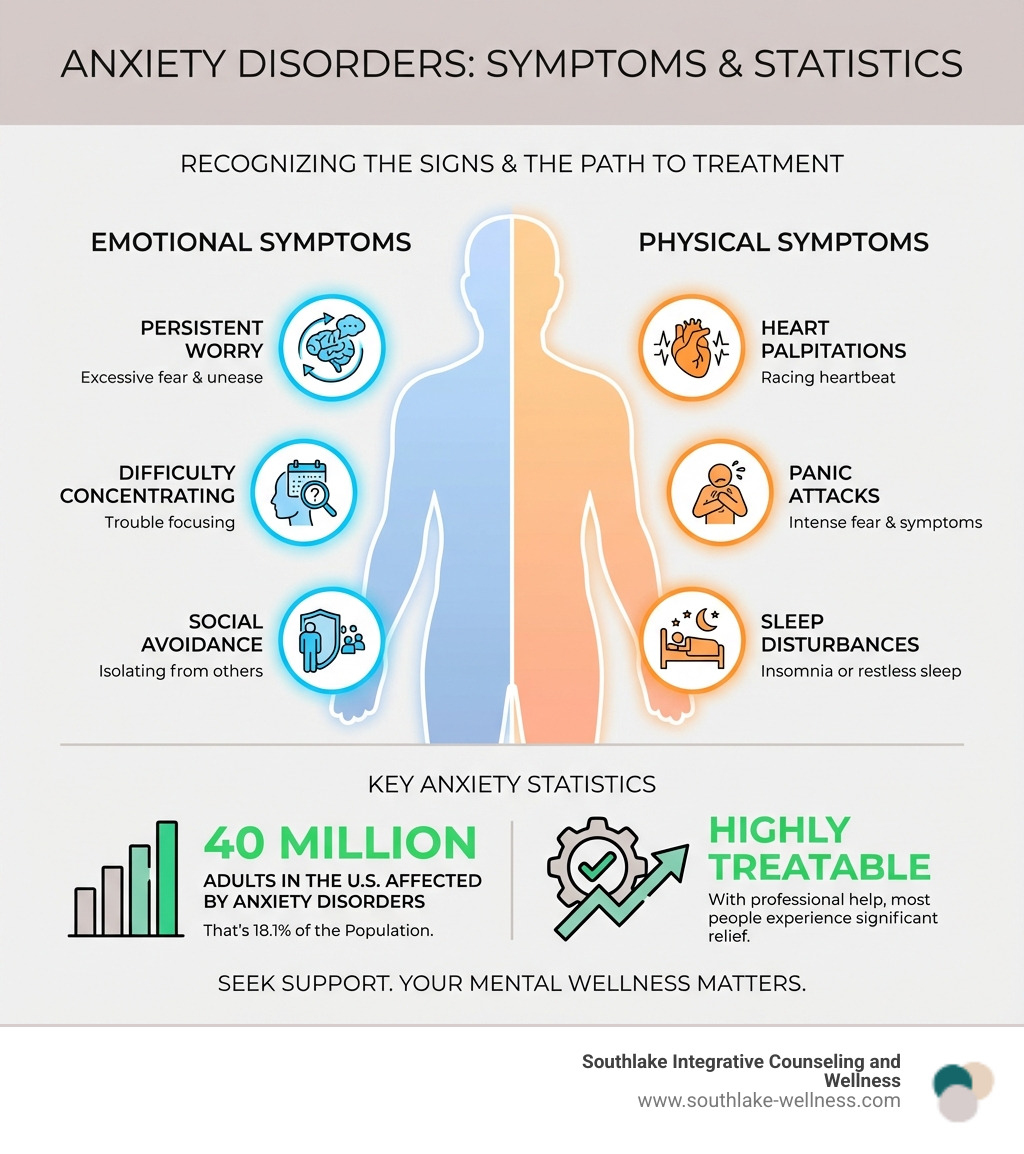
Anxiety disorders affect 40 million adults in the U.S.—that's 18.1% of the population—yet only about one-third receive treatment. The average delay between symptom onset and seeking help is 11 years, representing over a decade of unnecessary suffering.
The good news is that anxiety disorders are highly treatable. With the right professional help, most people find significant relief through medication, evidence-based therapies like Cognitive Behavioral Therapy (CBT), or a combination. Newer approaches like deep TMS therapy and holistic interventions that address the mind-body connection also offer benefits.
Finding the right anxiety psychiatrist doesn't have to be overwhelming. Whether you need medication evaluation, ongoing psychiatric care, or a collaborative approach, understanding your options is the first step toward feeling better.
I'm Holly Gedwed, a Licensed Professional Counselor Associate with 14 years of clinical experience specializing in anxiety and trauma. I help individuals find the right path to mental wellness using evidence-based modalities like CBT, DBT, and holistic interventions custom to each person's unique needs.
Recognizing the Signs: When Is It Time to See a Professional?
While stress and worry are normal, persistent feelings that interfere with daily life may signal an anxiety disorder. It's like a faulty alarm system that's constantly blaring—exhausting and disruptive. Recognizing when anxiety crosses from a temporary feeling to a persistent challenge is the first step toward getting support.
What are the symptoms of an anxiety disorder?
Anxiety disorders present a wide range of symptoms. Recognizing these signs is the first step toward finding relief.
- Emotional Symptoms: Persistent worry, excessive fear, dread, or apprehension. You may feel constantly on edge, irritable, or restless, sometimes escalating to panic attacks—sudden, intense surges of fear with alarming physical sensations.
- Cognitive Symptoms: Anxious thoughts, often focused on "what-if" scenarios, can make it hard to concentrate or make decisions. You might struggle to quiet a racing mind.
- Behavioral Changes: Avoiding situations, places, or people that trigger anxiety is common. While this offers temporary relief, it often reinforces the anxiety long-term, creating a cycle of fear.
- Physical Manifestations: Anxiety has real physical effects, including a racing heart, shortness of breath, chest pain, sweating, trembling, muscle tension, headaches, or GI issues. Sleep disturbances are also common.
- Social Withdrawal: Avoiding anxious situations can lead to social withdrawal from friends and family, deepening feelings of isolation and making it harder to cope.
- Impaired Functioning: These symptoms can disrupt daily life, affecting performance at work or school, relationships, and overall quality of life. When fear dominates your thoughts or physical symptoms are distressing, it's a clear signal to seek help.

If these descriptions resonate with your experience, know that you don't have to steer this alone. We offer comprehensive mental health services to support you. You can learn more by exploring our More info about our services.
Why is seeking help important?
Anxiety disorders are the most common mental illness in the U.S., yet only a third of those affected receive treatment. The average delay is 11 years between symptom onset and getting help, leading to years of unnecessary struggle.
But here's the powerful truth: anxiety is highly treatable. Professional help offers immense benefits:
- Breaking the Cycle: Treatment helps you understand anxiety patterns, identify triggers, and develop healthier coping skills, empowering you to break the cycle of fear and avoidance.
- Improving Quality of Life: Treatment can significantly reduce symptoms, helping you regain control, feel calmer, and re-engage with activities you love for a more peaceful, enjoyable life.
- Preventing Long-Term Complications: Untreated anxiety can lead to depression, substance use, and chronic physical ailments. Early intervention prevents these complications and fosters overall well-being.
At Southlake Integrative Counseling and Wellness, our mission is to help you move from surviving to thriving. Taking the first step is a courageous act of self-care. For more local resources, consult our Southlake Mental Health Resources Guide.
Psychiatrist vs. Therapist: Who Should You See for Anxiety?
When searching for an anxiety psychiatrist near me, you'll see terms like "therapist" or "psychologist." Understanding the differences helps you find the right professional for your needs. Let's clarify their roles:
Professional RoleEducation & TrainingPrimary FocusTreatment ModalitiesCan Prescribe Medication?PsychiatristMedical Doctor (MD)Diagnosis, Medication Management, Complex Mental Health ConditionsPsychiatric Evaluations, Medication, Some PsychotherapyYesPsychologistDoctoral Degree (PhD or PsyD)Psychological Testing, Therapy, Behavioral HealthTalk Therapy (CBT, DBT), Psychological AssessmentsNoTherapist/CounselorMaster's Degree (LPC, LMFT, LCSW)Talk Therapy, Behavioral Health, Coping SkillsTalk Therapy (CBT, EMDR), PsychoeducationNo
Role of a Psychiatrist (MD)
A psychiatrist is a medical doctor specializing in mental health. They can:
- Diagnose Mental Health Conditions: They perform comprehensive evaluations and understand the interplay between mental and physical health.
- Prescribe Medication: This is a key differentiator. A psychiatrist can evaluate if medication is a beneficial part of your treatment, manage prescriptions, and monitor side effects.
- Provide Psychiatric Care: Many psychiatrists also offer psychotherapy, though their primary focus is often on medication management.
Role of a Therapist (Psychologist, LCSW)
Therapists, counselors, and psychologists hold master's or doctoral degrees. Their expertise is in:
- Psychotherapy (Talk Therapy): They use therapies like CBT, DBT, and Exposure Therapy to help you explore thoughts and behaviors, teach coping skills, and provide emotional support.
- Behavioral Health: They help you develop strategies to manage stress, improve relationships, and steer life transitions.
- Psychological Testing: Psychologists may conduct testing to clarify diagnoses or assess personality traits.
Collaborative Care
For many, the most effective approach is collaborative care: working with a therapist for talk therapy and a psychiatrist for medication. This model addresses both psychological and biological aspects of anxiety. Our integrated care model allows for direct communication between providers (with your permission) to ensure your treatment is cohesive and responsive.
A psychologist or counselor is great for talk therapy, while an anxiety psychiatrist near me is best if you believe medication is necessary or your anxiety is severe. We can guide you to the right clinician during intake. To explore therapy options, see our page on Anxiety Psychologist Near Me.
A Guide to Modern Anxiety Treatments
At Southlake Integrative Counseling and Wellness, we take a holistic approach, combining evidence-based therapies with alternative modalities to promote emotional balance. Emphasizing the mind-body connection, we offer personalized treatment plans. We know a single solution rarely fits all, so we explore a range of modern anxiety treatments to help you find relief.
Medication Management for Anxiety
Medication can be a crucial tool for managing severe anxiety that impairs daily functioning. By regulating brain chemistry, it reduces symptom intensity and creates a "better headspace" for therapy.
Common types of medications prescribed for anxiety include:
- SSRIs (Selective Serotonin Reuptake Inhibitors): Often a first-line treatment, these increase serotonin levels to improve mood and reduce anxiety. Examples include sertraline (Zoloft) and escitalopram (Lexapro). Antidepressants typically take two to four weeks to show benefit.
- SNRIs (Serotonin-Norepinephrine Reuptake Inhibitors): Similar to SSRIs, these affect both serotonin and norepinephrine. Examples include venlafaxine (Effexor) and duloxetine (Cymbalta).
- Benzodiazepines: These fast-acting medications provide rapid relief from acute anxiety or panic attacks. Examples include alprazolam (Xanax) and lorazepam (Ativan). They are typically felt within 20-30 minutes but are generally prescribed for short-term use due to the potential for dependence.
Medication Monitoring and Genetic Testing:When an anxiety psychiatrist near me prescribes medication, careful monitoring is essential. They will discuss side effects, benefits, and safety. Follow-ups are scheduled regularly to adjust treatment. We also recognize that responses to medication vary. Genetic testing can help identify the most beneficial medications for you, optimizing treatment and minimizing trial-and-error.
For a deeper dive into therapeutic approaches that complement medication, you can explore our page on Anxiety Therapy Southlake.
The Power of Psychotherapy
Psychotherapy, or "talk therapy," is a cornerstone of anxiety treatment. It provides tools to understand and manage anxiety. Studies show therapies like Cognitive Behavioral Therapy (CBT) can be as effective as medication.
Here are some powerful psychotherapy approaches:
- Cognitive Behavioral Therapy (CBT): This therapy helps you identify and challenge negative thought patterns and behaviors that contribute to anxiety. Our Anxiety CBT Complete Guide offers an in-depth look.
- Dialectical Behavior Therapy (DBT): DBT helps individuals develop skills in mindfulness, distress tolerance, emotion regulation, and interpersonal effectiveness, which is useful for intense emotional swings.
- Exposure Therapy: This therapy involves gradually exposing you to a feared object or situation in a safe environment, helping to desensitize your anxious response over time.
How Therapy Complements Medication:Psychotherapy and medication are a powerful combination. Medication reduces symptom intensity, making it easier to engage in therapy. As one expert noted, medication offers a "better headspace in which to work on techniques learned in therapy." This integrated approach may improve recovery chances by up to 60%. Therapy builds coping skills and resilience for long-term wellness.
Advanced and Holistic Approaches
Beyond traditional treatments, we integrate advanced and holistic approaches that consider the whole person. Our unique approach combines evidence-based therapies with alternative modalities to promote emotional balance and resilience.
- Deep Transcranial Magnetic Stimulation (dTMS): For treatment-resistant anxiety or depression, deep TMS (dTMS) using the Brainsway system offers new hope. This non-invasive treatment uses magnetic waves to stimulate specific brain areas. You can read a white paper on this technology here: deep TMS (dTMS).
- Esketamine (Spravato): This innovative treatment is FDA-approved for Treatment Resistant Depression and Major Depression with suicidal thoughts. It works differently from traditional antidepressants and can provide rapid relief.
- Lifestyle Factors: We believe lifestyle strongly influences mental health. Our clinicians often discuss the importance of:
- Diet: A balanced, nutritious diet can impact mood and energy.
- Exercise: Physical activity is a powerful, proven anxiety reducer.
- Sleep Hygiene: Quality sleep is crucial for mental well-being, though improvements can take weeks or months.
- Mindfulness and Meditation: These practices help you stay present and cultivate calm, offering lasting benefits over time.
Our personalized treatment plans integrate these elements, recognizing the mind-body connection. This comprehensive strategy supports your overall well-being. For more intensive support, explore our Intensive Therapy Southlake options.
How to Find the Best Anxiety Psychiatrist Near Me
Searching for an anxiety psychiatrist near me can feel daunting, but our guide can help you find a qualified professional who fits your needs.
Starting Your Search for an anxiety psychiatrist near me
- Online Provider Directories: These platforms are excellent resources for finding local providers. You can typically filter by location (e.g., Texas), specialty (anxiety), and insurance.
- Checking Your Insurance Network: Your insurance company's online portal is a practical first step to find in-network providers and understand costs. We accept major insurances and Medicare.
- Asking Your Primary Care Doctor for a Referral: Your primary care physician can be a valuable resource, often providing personalized recommendations.
- Virtual vs. In-Person Care (Tele-psychiatry): Tele-psychiatry offers convenience and flexibility, allowing you to connect with a specialist from anywhere in Texas.
Finding support in North Texas is easier than you think. For local insights, see our North Texas Therapy guide.
What to Look for in a Specialist
Once you have a list of potential providers, here’s what to look for in an anxiety psychiatrist near me:
- Board Certification: Ensure the psychiatrist is board-certified, indicating they have met rigorous standards of training and experience.
- Specialization in Anxiety Disorders: Look for specialists with a focus on anxiety disorders like GAD, Panic Disorder, Social Anxiety, OCD, or PTSD.
- Treatment Philosophy: Does their approach align with your needs? Some focus on medication, while others integrate psychotherapy or a holistic perspective. Understanding their philosophy helps you find a good fit.
- Patient Reviews and Testimonials: Online reviews can offer insights into a psychiatrist's communication style, empathy, and effectiveness.
- Insurance Acceptance and Costs: Confirm their fees and whether they accept your insurance. If they are out-of-network, ask about superbills for reimbursement.
- Communication Style: The right fit involves trust and feeling heard. A good psychiatrist will listen and work with you to develop a personalized treatment plan.
Preparing for Your First Appointment with an anxiety psychiatrist near me
Your first appointment is an important step. Being prepared helps you make the most of the session.
- Gather Medical History: Compile a list of medical conditions, medications (including supplements), and past mental health treatments.
- Create a Symptom Log: Jot down your anxiety symptoms, when they started, what makes them better or worse, and how they impact your daily life.
- List Questions to Ask: Prepare questions about their approach, treatments, qualifications, and expected duration. This is your chance to ensure they're the right fit.
- Understand the Intake Process: Completing intake forms thoroughly beforehand can streamline your first visit.
- Discuss Treatment Goals: Think about what you hope to achieve. Clearly communicating your goals helps create a custom plan.
This initial consultation is a two-way street for you and the psychiatrist to assess the fit. For more resources, visit our guide on Individual Therapy in Southlake TX.
Frequently Asked Questions about Anxiety Psychiatrists
As you start this journey, you likely have questions. Here are answers to common inquiries about finding an anxiety psychiatrist near me and starting treatment.
How long does anxiety treatment take?
Treatment duration varies by person and depends on several factors:
- Severity of Symptoms: More severe or long-standing anxiety may require longer treatment.
- Treatment Modality:
- Therapy: CBT can show results in 5-20 weekly sessions, but ongoing care may be beneficial.
- Medication: Antidepressants typically take two to four weeks to work. Fast-acting anti-anxiety medications provide relief in 20-30 minutes but are for short-term use.
- Lifestyle Changes: Exercise, improved sleep, and meditation are effective but can take weeks or months to show significant results.
- Individual Response: Everyone responds to treatment differently.
Many clients benefit from combining short-term relief with long-term skill building. Your clinician will work with you to set realistic expectations and adjust your plan as you progress.
What are the typical costs and insurance coverage?
Costs for an anxiety psychiatrist near me vary. Here's what to know:
- Varies by Provider and Location: Fees differ based on experience, location (e.g., Southlake, TX), and services.
- In-Network vs. Out-of-Network: Check if a psychiatrist is in-network with your insurance for lower costs. Out-of-network providers may offer a superbill for you to seek reimbursement.
- Co-pays and Deductibles: Be aware of your plan's co-pays and annual deductible.
- Sliding Scale Fees: Some providers offer income-based sliding scale fees. Don't hesitate to ask.
- Importance of Verifying Coverage: Always call your insurance provider to understand your specific mental health benefits.
Many practices, including ours, accept major insurance and offer options to make care accessible.
Can anxiety be cured completely?
While a "cure" is tricky, we focus on effective management and symptom reduction, so anxiety no longer dictates your life.
- Management vs. Cure: The goal is to manage overwhelming anxiety, not eradicate a normal human emotion.
- Learning Coping Strategies: Treatment empowers you with robust coping mechanisms for stressful situations.
- Building Resilience: You'll learn to bounce back from challenges and maintain emotional stability.
- Reducing Symptom Severity and Frequency: Effective treatment can dramatically reduce the intensity and frequency of symptoms.
- Goal of Improved Functioning: The aim is to improve your daily functioning so you can live a more fulfilling, peaceful life.
Anxiety treatment is highly effective. While occasional worry is normal, the goal is to prevent anxiety from disrupting your life and give you the confidence to manage it.
Conclusion: Take the Next Step Towards a Calmer You
If you're searching for an anxiety psychiatrist near me in Southlake, Texas, we hope this guide has helped. We've covered the signs of anxiety, the roles of psychiatrists and therapists, and the range of modern treatments available, from medication and psychotherapy to holistic approaches.
Anxiety is manageable, and you don't have to face it alone. Taking the first step is a powerful act of self-care. At Southlake Integrative Counseling and Wellness, we provide holistic mental healthcare, combining evidence-based therapies with alternative modalities. Our personalized treatment plans are designed to support you on your journey.
We encourage you to take the next step.Take control of your mental wellness today