
Understanding Holistic Counseling: A Path to Complete Wellness
Holistic counseling is an integrative approach to mental health that treats the whole person—mind, body, heart, and spirit—rather than focusing solely on symptoms. It addresses the root causes of emotional distress by considering how your physical health, thoughts, emotions, relationships, environment, and spiritual beliefs all interconnect and influence your well-being.
Key aspects of holistic counseling include:
- Whole-person perspective: Treats biological, psychological, social, and spiritual components as interconnected
- Root cause focus: Goes beyond symptom management to uncover underlying issues
- Integrated methods: Combines traditional talk therapy (CBT, EMDR, DBT) with complementary practices (mindfulness, breathwork, yoga, nutrition)
- Personalized treatment: Tailors interventions to your unique needs and lifestyle
- Long-term healing: Equips you with practical skills for lasting change and emotional resilience
Life can feel overwhelming when stress, anxiety, or unresolved trauma weighs on you. Traditional therapy often focuses on managing symptoms through talk therapy alone, but what if your path to healing requires something more comprehensive? What if addressing your emotional struggles also means looking at how your body holds tension, how your daily habits impact your mood, or how disconnection from your deeper values leaves you feeling lost?
Holistic counseling recognizes that you are not just your thoughts or your feelings—you are a complete system. When one part of you is out of balance, it affects everything else. A 2019 study of 230 adolescent females found that participants who completed a one-month holistic stress management program experienced significantly less stress, anxiety, and depression than the control group. Research also shows that holistic practices like diaphragmatic breathing can improve cognitive function and lower stress responses, while approaches like EMDR can help heal trauma that once took years of traditional therapy to address.
This guide will walk you through what holistic counseling is, how it differs from conventional therapy, the techniques used, the conditions it can help with, and what to expect on your journey toward complete wellness. Whether you're dealing with chronic stress, trauma, relationship struggles, or simply seeking deeper meaning and balance in your life, understanding the holistic approach can open new doors to healing.
I'm Holly Gedwed, a licensed professional counselor with 14 years of clinical experience specializing in trauma and addiction. Throughout my career, I've witnessed how holistic counseling transforms lives by addressing not just mental health symptoms, but the interconnected physical, emotional, and spiritual factors that contribute to lasting wellness.
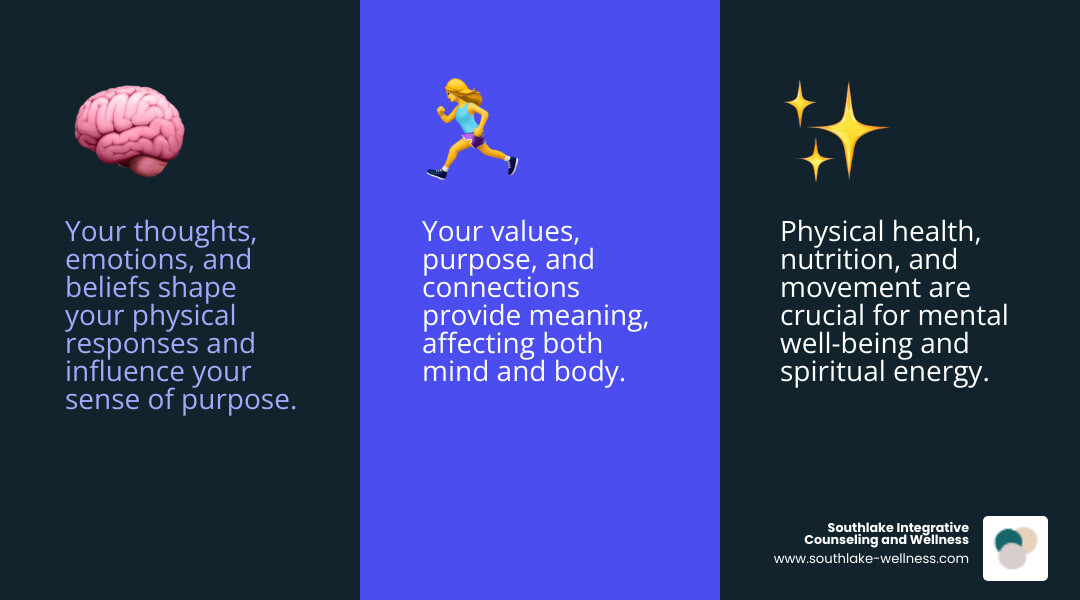
What is Holistic Counseling? A Whole-Person Approach
The word "holistic" itself comes from the Greek word "holos," meaning "whole." In the context of mental health, holistic counseling is a therapeutic approach that considers you as an entire, integrated person, not just a collection of symptoms. It acknowledges that your physiological and psychological experiences are parts of a greater whole, and that your well-being is influenced by the fundamental interconnectedness of your mind, body, and spirit.
This comprehensive view isn't new. Its roots can be traced back to ancient philosophies and healing systems. For instance, the ancient Greek philosopher Hippocrates, often called the "Father of Medicine," laid foundations for holistic therapy, emphasizing the importance of treating the whole person. Older 2007 research highlights how traditional medicine systems like Ayurveda from India and Traditional Chinese Medicine (TCM) have long acceptd a holistic perspective, recognizing the intricate balance needed for health.
In modern times, the holistic counseling movement gained traction as a response to the limitations of purely symptom-focused approaches. It has evolved to integrate wisdom from neuroscience, Western psychology, nutrition, energy psychology, and Eastern spiritual traditions. At Southlake Integrative Counseling and Wellness, we believe this modern evolution allows us to offer a truly comprehensive path to healing.
How Holistic Counseling Differs from Traditional Therapy
While traditional therapy methods are incredibly valuable and form a cornerstone of mental healthcare, holistic counseling expands upon them. Often, traditional therapy, such as talk therapy using techniques like Cognitive Behavioral Therapy (CBT), focuses on addressing specific symptoms or thought patterns. This approach is highly effective for many, but it can sometimes overlook the broader context of a person's life, including physical health, lifestyle, and spiritual well-being.
Here’s a simplified comparison:
FeatureTraditional TherapyHolistic CounselingFocusSpecific symptoms, thought patterns, behaviorsThe whole person: mind, body, spirit, environment, relationshipsScopeOften problem-focused, symptom managementBroad, integrative; aims for deep healing and overall well-beingTechniquesPrimarily talk therapy (CBT, DBT, Psychodynamic, etc.)Integrates talk therapy with mind-body practices, lifestyle, and alternative modalitiesGoalSymptom reduction, coping strategiesRoot cause resolution, balance, empowerment, lasting change
Holistic counseling goes beyond managing symptoms to actively seek out and address the root causes of your challenges. This means we might explore how your sleep patterns affect your anxiety, how your diet impacts your mood, or how unresolved past experiences manifest as physical pain. It's about understanding how your lifestyle, your environment, and even your spiritual beliefs contribute to your current state of mental and emotional health. Our goal is to empower you to achieve long-term mental health benefits by addressing these underlying issues.
For more information on the various approaches we use, please visit our page on More info about our approaches.
The Four Core Components of a Holistic View
At the heart of holistic counseling is the understanding that you are composed of interconnected parts. If one of these parts is out of balance or neglected, it can impact your overall well-being and the health of the other areas. We consider four fundamental components of your being:
- Biological: This refers to your physical health, including your body's systems, nutrition, sleep patterns, physical activity, and any medical conditions. We recognize that physical ailments can significantly impact mental health, and vice versa.
- Psychological: This encompasses your emotional and mental health—your thoughts, feelings, coping mechanisms, cognitive processes, and past experiences, including trauma.
- Social/Environmental: This component looks at your relationships (family, friends, community), your work environment, living situation, and the cultural context you live in. These external factors play a crucial role in your overall well-being.
- Spiritual: This involves your personal philosophy, values, beliefs, sense of purpose, and connection to something greater than yourself. It doesn't necessarily mean religious, but rather your inner sense of meaning and belonging.

When we work with you, we consider how these four components interact. For example, chronic stress (psychological) can lead to physical symptoms like fatigue or digestive issues (biological), strain relationships (social), and leave you feeling disconnected from your purpose (spiritual). By addressing all these aspects, we can foster a more profound and sustainable healing process.
The Mind-Body-Spirit Connection: The Heart of Holistic Healing
The core principle of holistic counseling is the intricate and undeniable connection between your mind, body, and spirit. This isn't just a philosophical concept; it's a profound truth that underpins our entire approach. Your thoughts and emotions aren't confined to your head; they have a tangible impact on your physical body. Similarly, your physical state profoundly influences your mental and emotional well-being.
Consider how stress can manifest as tension headaches, digestive issues, or chronic fatigue. Or how a lack of sleep can make you more irritable and anxious. This powerful interplay is why books like The Body Keeps The Score, which explores how trauma affects both the mind and body, have become so impactful.
Beyond the mind-body link, the spiritual dimension adds another vital layer. This isn't about promoting any specific religion, but rather about helping you connect with your personal values, sense of purpose, and what gives your life meaning. When you feel aligned with your deeper self and your place in the world, it fosters a profound sense of peace and resilience. Conversely, a crisis of faith or a feeling of spiritual emptiness can contribute significantly to emotional distress.
By acknowledging and actively working with this mind-body-spirit connection, we can address the root causes of your issues, rather than just treating the surface-level symptoms. If anxiety is rooted in past trauma that your body is still holding onto, simply talking about it might not be enough. We need to engage the body in the healing process too. This comprehensive approach leads to more profound, lasting change and helps you achieve true Holistic Mental Wellness Ultimate Guide.
Techniques and Modalities Used in Holistic Counseling
One of the strengths of holistic counseling is its flexibility and adaptability. There's no one-size-fits-all solution, and our approach involves integrating a diverse range of methods custom specifically to your unique needs. We combine the best of traditional, evidence-based psychotherapies with powerful mind-body practices and complementary approaches. This ensures a Personalized Mental Health Care plan that resonates with your whole self.

Mind-Body Practices
These techniques help you connect with your internal experience, regulate your nervous system, and build self-awareness.
- Mindfulness and Meditation: These practices involve focusing on the present moment without judgment. Mindfulness can help reduce stress, anxiety, and depression by training your attention. A 2017 systemic review and meta-analysis indicated that meditation might have a small effect on chronic pain and improve depression symptoms.
- Breathwork: Simple yet powerful, breathwork involves conscious control over your breathing patterns to influence your physiological and emotional state. Diaphragmatic breathing, for instance, can improve cognitive function and lower stress responses, as suggested by a 2017 study on diaphragmatic breathing. Breathwork can also be a vital tool for trauma treatment.
- Somatic Therapy: This approach focuses on the body's sensations and physical experiences to process and release trauma or emotional stress. A small 2017 study indicated that somatic breathing might be effective for people with PTSD.
- Yoga and Tai Chi: These ancient practices combine physical postures, breathing techniques, and meditation to promote physical and mental well-being. A 2021 review on yoga for addiction suggests certain types of yoga, particularly Hatha Yoga, could aid in addiction treatment. Similarly, a 2018 study indicates that Tai Chi might help with stress. We believe in the power of Mind-Body Wellness and Massage Therapy to support your healing journey.
Complementary and Alternative Approaches
We may also incorporate or recommend complementary therapies that support your overall health.
- Acupuncture: Originating from Traditional Chinese Medicine, acupuncture involves inserting thin needles into specific points on the body. A 2018 analysis indicates it can help with various types of pain, including headaches.
- Massage Therapy: Beyond relaxation, massage can have therapeutic benefits for mental health. A 2018 article suggests available data indicates massage may decrease depressed mood and acute anxiety.
- Reiki: This energy healing technique involves gentle touch or near-touch to promote relaxation and well-being. A 2019 study on reiki for anxiety suggests it could reduce depression and anxiety and improve quality of life.
- Nutritional Counseling: We recognize the profound impact of diet on mood and cognitive function. For example, a holistic therapist might suggest specific Vitamins for ADHD symptoms to help support brain function.
- Art Therapy: Using creative expression to explore feelings, resolve conflicts, and reduce stress.
- Cranial Sacral Therapy: A gentle, hands-on method of evaluating and enhancing the functioning of the craniosacral system. A 2020 study indicates it could treat severe trauma when used with psychotherapy.
Integration with Evidence-Based Psychotherapy
Crucially, holistic counseling at Southlake Integrative Counseling and Wellness doesn't abandon traditional, evidence-based psychotherapies. Instead, it integrates them into a broader framework. We use techniques from:
- Cognitive Behavioral Therapy (CBT): To identify and change negative thought patterns.
- Eye Movement Desensitization and Reprocessing (EMDR): A powerful therapy for processing trauma and distressing life experiences.
- Dialectical Behavior Therapy (DBT): To develop skills in emotional regulation, distress tolerance, and interpersonal effectiveness.
- Internal Family Systems (IFS): To understand and heal different "parts" of the self.
- Psychodynamic Therapy: To explore how past experiences and unconscious patterns influence present behavior.
By blending these proven methods with holistic practices, we offer a truly comprehensive and effective path to healing.
Benefits, Conditions, and Long-Term Outcomes
Engaging in holistic counseling is an investment in your entire well-being. It's about moving beyond simply coping with challenges to truly thriving.
Some of the profound benefits you can expect include:
- Achieving Balance: By addressing all aspects of your being—mind, body, and spirit—you can find greater equilibrium in your life.
- Improved Overall Well-being: This approach leads to a more comprehensive sense of health, encompassing emotional, physical, and spiritual vitality.
- Increased Self-awareness: You'll gain a deeper understanding of yourself, your patterns, and the interconnectedness of your internal and external worlds.
- Emotional Resilience: By addressing root causes and developing new coping strategies, you'll be better equipped to steer life's inevitable ups and downs.
- Lasting Change: Rather than temporary fixes, holistic counseling aims for transformative, enduring shifts in your mental health and life satisfaction.
This all-encompassing strategy forms the foundation of our Holistic Approach Therapy.
What Conditions Can Holistic Counseling Address?
Because holistic counseling takes such a broad view of your health, it can effectively address a wide range of conditions and issues:
- Anxiety: By regulating the nervous system, addressing thought patterns, and examining lifestyle factors, we can help you find calm.
- Depression: We explore psychological, biological (like nutrition and sleep), and spiritual factors to alleviate symptoms and foster meaning. For more, see our Holistic Approach to Depression.
- Stress: We equip you with practical tools to manage stress at its source, integrating mind-body techniques to reduce its physical impact. Learn more about Holistic Stress Management Techniques.
- Trauma and PTSD: By integrating somatic work, EMDR, and traditional talk therapy, we help you process and heal from past disturbing experiences, recognizing how trauma impacts the entire system.
- Addiction: Addressing not just the addictive behavior but also underlying emotional pain, coping mechanisms, and lifestyle imbalances.
- Relationship Issues: Exploring individual patterns, communication styles, and emotional needs within the context of family and social environments.
- Grief and Loss: Supporting you through the complex emotional, physical, and spiritual process of grieving, allowing for deep healing.
- Chronic Pain: Recognizing the psychological and emotional components of pain, alongside physical interventions, to improve quality of life.
Potential Long-Term Impacts
The benefits of holistic counseling extend far beyond the therapy room, leading to profound and lasting impacts on your life:
- Empowerment: You'll gain the knowledge and tools to take an active role in managing your own health and well-being.
- Self-management Skills: You'll learn practical strategies for emotional regulation, stress reduction, and healthy living that you can use throughout your life.
- Deeper Life Satisfaction: By aligning with your values and purpose, you can experience a more meaningful and fulfilling existence.
- Improved Physical Health: As your mental and emotional health improves, you may notice positive changes in your physical well-being, energy levels, and overall vitality.
- Stronger Relationships: With increased self-awareness and improved communication skills, your connections with others can deepen and become more fulfilling.
- Improved Spiritual Connection: Whether through defined practices or a clearer sense of purpose, you can foster a stronger connection to your inner self and the world around you.
These outcomes are about building resilient and thriving lives, supported by effective Holistic Coping Strategies.
Your Journey to Wellness: What to Expect and How to Find a Counselor
Taking the first step toward seeking support is a powerful act of self-care. When you start on a journey of holistic counseling, it's important to approach it with an open mind and a willingness to explore all aspects of your being. We view our relationship with you as a collaborative partnership, where you are an active participant in your own healing.
What to Expect in Your First Holistic Counseling Session
Your initial session is a crucial opportunity for us to get to know you and for you to understand our approach. During this time, you can expect:
- Initial Assessment: We'll conduct a comprehensive intake, asking about your current concerns, your history, and your goals for therapy.
- Exploring All Life Areas: Unlike traditional intake forms that might focus solely on mental health symptoms, we'll dig into your biological, psychological, social/environmental, and spiritual well-being. This might include questions about your sleep, nutrition, relationships, work, hobbies, and personal values.
- Discussing Goals: We'll work together to define what "healing" and "wellness" mean to you and what you hope to achieve through holistic counseling.
- Co-creating a Treatment Plan: Based on our discussion, we'll begin to outline a personalized treatment plan that integrates various modalities and addresses your whole self.
- Session Length and Frequency: Initial sessions typically last from 45 to 60 minutes, with subsequent sessions usually being 45 to 50 minutes long. The frequency will be determined collaboratively based on your needs.
How to Find a Qualified Holistic Counselor
Finding the right counselor is one of the most important steps in your healing journey. The most important factor is finding someone you feel comfortable with and can trust. Here’s what to look for:
- Credentials and Licensing: Ensure the counselor is licensed in Texas (e.g., Licensed Professional Counselor, Licensed Marriage and Family Therapist). While "holistic counseling" isn't a separate license, it's a perspective applied by licensed professionals. You can often check credentials through state licensing boards or professional directories.
- Specialized Training: Look for counselors with training and experience in various mind-body practices, alternative modalities (if that interests you), and evidence-based psychotherapies.
- The Importance of Rapport: This cannot be overstated. You need to feel a sense of connection, safety, and understanding with your counselor. Trust your gut feeling during initial consultations.
- Asking Questions: Don't hesitate to ask potential therapists about their approach, their experience with issues similar to yours, the modalities they use, and their fees.
Here are some questions you might ask a potential holistic counselor:
- What is your philosophy on mental health and healing?
- How do you integrate mind, body, and spirit into your practice?
- What specific techniques or modalities do you use, and why?
- How do you tailor your approach to individual client needs?
- What is your experience working with [my specific concern]?
- What should I expect during our sessions?
- What are your fees, and do you offer a sliding scale or accept insurance?
At Southlake Integrative Counseling and Wellness, we offer a free consultation call so you can discuss your needs and ensure we're the right fit for your journey.
Conclusion: Accept Your Whole Self for Lasting Wellness
In conclusion, holistic counseling offers a profound and comprehensive path to mental health and overall well-being. By embracing the interconnectedness of your mind, body, and spirit, we can move beyond simply managing symptoms to truly addressing the root causes of your distress. This integrated approach leads to achieving balance, improved self-awareness, improved emotional resilience, and ultimately, a deeper, more satisfying life.
Healing your whole self means acknowledging every part of who you are and understanding how each piece contributes to your overall health. It’s about taking control of your well-being by nurturing your physical body, calming your mind, honoring your emotions, and connecting with your spirit.
At Southlake Integrative Counseling and Wellness, we are dedicated to guiding you on this transformative journey. We believe that by integrating evidence-based therapies with complementary modalities, we can help you open up your innate capacity for healing and live a life filled with purpose and vitality right here in Southlake, Texas.
If you're ready to explore a comprehensive approach to your mental health and accept your whole self for lasting wellness, we invite you to explore our services and Begin your healing journey with our services.