
The Power of Shared Healing
Group therapy exercises for depression offer powerful, evidence-based activities that help individuals reduce isolation, challenge negative thoughts, and build healthier behaviors in a supportive community setting. These exercises range from cognitive behavioral therapy techniques like thought records and behavioral activation, to creative outlets like art and music therapy, to holistic practices like mindfulness and group walks—all designed to lift mood and foster lasting resilience.
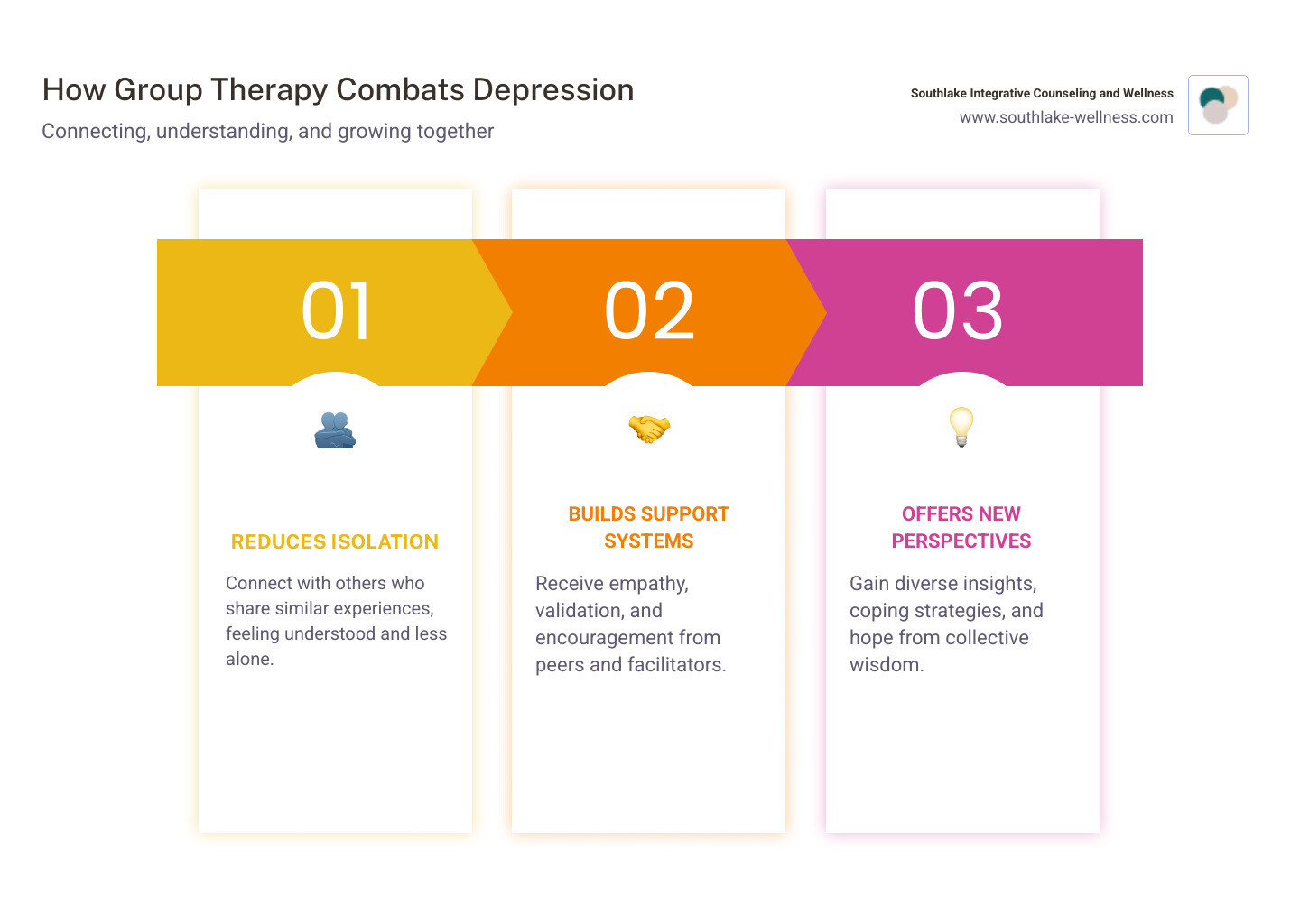
Depression can feel profoundly isolating. When you're struggling, it's easy to believe you're the only one who feels this way—that no one else could possibly understand the weight you're carrying. But here's the truth: approximately one-third of US adults struggle with anxiety and depression. You are not alone.
Group therapy offers an antidote to isolation. When you sit in a room (or join a virtual session) with others who get it—who understand the exhaustion, the negative self-talk, the difficulty getting out of bed—something powerful happens. Your feelings become normalized. Your experience becomes shared. And in that sharing, healing begins.
Research shows that group therapy provides a uniquely rich environment for change. We are hardwired for connection, and groups create potent opportunities for our brains and nervous systems to heal. The mind-body connection plays a crucial role here: when we feel supported and understood, our bodies respond with lower stress hormones and improved emotional regulation.
The benefits are clear: group therapy reduces feelings of isolation, builds a supportive network, offers fresh perspectives on your struggles, and provides hope through witnessing others' progress. It's also more cost-effective than individual therapy, making mental health support more accessible.
I'm Holly Gedwed, a Licensed Professional Counselor Associate with 14 years of clinical experience specializing in trauma, addiction, and customizing therapeutic approaches for anxiety and depression. Throughout my career, I've seen how group therapy exercises for depression create transformative change by helping people break unhealthy patterns and build new skills in a supportive, collaborative environment.
Core CBT Group Therapy Exercises for Depression
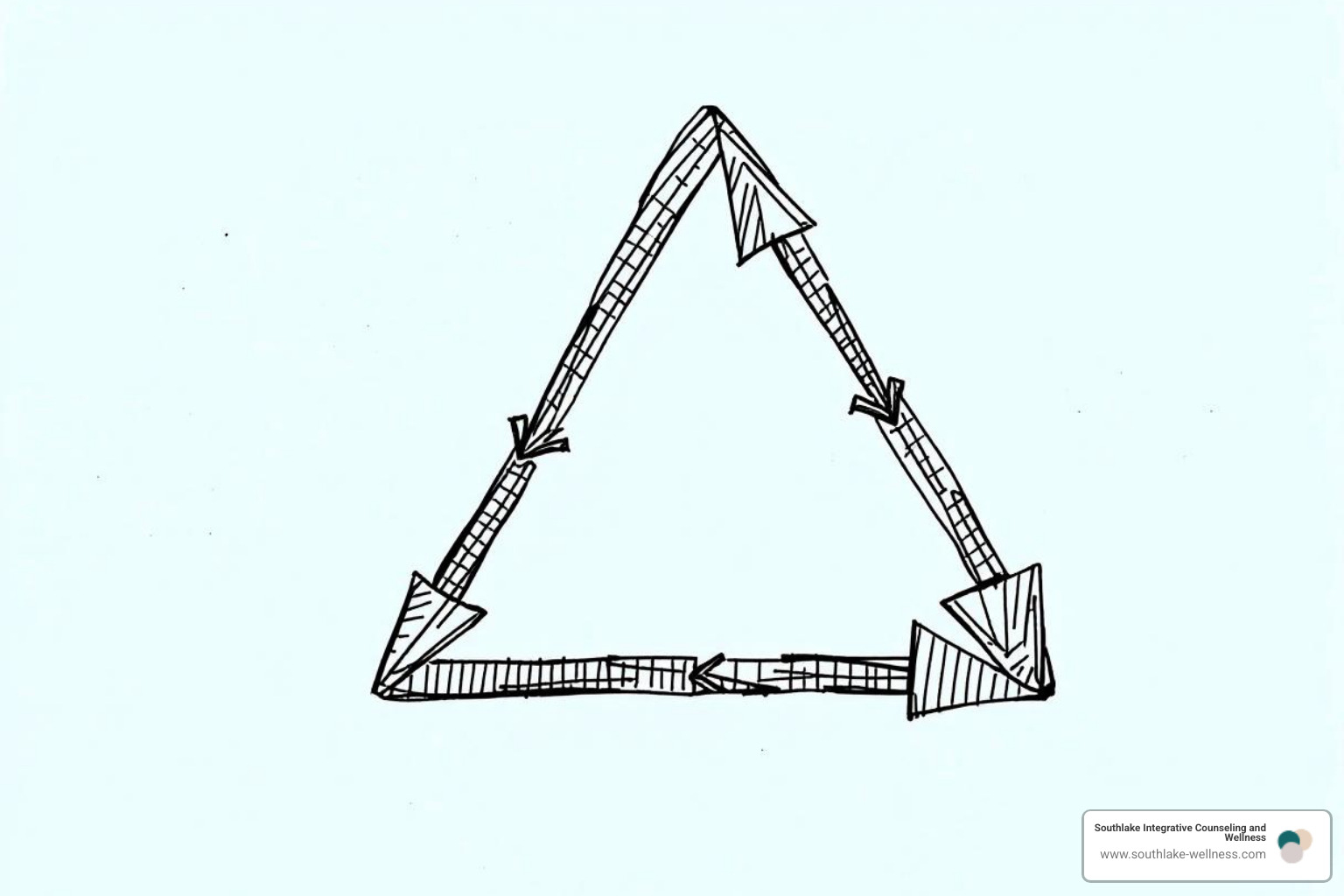
At Southlake Integrative Counseling and Wellness, we often incorporate Cognitive Behavioral Therapy (CBT) into our group sessions because it's an evidence-based approach that helps us understand the intricate dance between our thoughts, feelings, and behaviors. Think of it as the CBT triangle: what we think affects how we feel, which then influences what we do. And, crucially, what we do can in turn affect how we think and feel. This powerful connection is at the heart of many effective group therapy exercises for depression.
In a group setting, CBT becomes even more potent. When we share our experiences, we realize that our negative thought patterns, while unique to us, often echo the struggles of others. This shared understanding provides validation and a springboard for collective problem-solving. Our evidence-based group therapy programs harness this collective energy to help you reframe unhelpful thoughts and engage in more beneficial actions.
Challenging Negative Thoughts Together
One of the cornerstones of CBT, especially for depression, is learning to challenge those pesky negative thoughts that can drag us down. In group therapy, we tackle this together, making it a less daunting task.
- Thought Records: This group therapy exercise for depression is a fantastic way to bring awareness to our inner dialogue. Each member can identify a negative automatic thought they typically have, perhaps after a challenging interaction or when feeling particularly low. Then, with the group's support, we can explore evidence for and against that thought, ultimately working towards a more balanced and realistic conclusion. It’s like being a detective for your own mind, and having a whole team of fellow detectives helps uncover the truth! This method is a cornerstone of Cognitive Behavioral Therapy (CBT), which is highly effective in changing these kinds of thought patterns.
- Cognitive Restructuring: This involves actively identifying and changing cognitive distortions – those common habits of harmful thinking like "all-or-nothing thinking," "pessimism," "exaggerating," or "labeling" ourselves. For instance, if someone thinks, "I'm stupid," another group member might offer a positive replacement thought or help them identify instances where they've demonstrated intelligence. This process, often facilitated by a worksheet, allows us to practice the "Catch It, Check It, Change It" method: we notice our thoughts, examine them for accuracy, and then replace harmful ones with helpful alternatives. This not only benefits the individual sharing but also equips everyone in the group with tools for their own thought challenges. Learn more about our approach to Cognitive Behavioral Therapy.
The group environment offers invaluable feedback and validation. Hearing others articulate similar struggles with negative self-talk can be incredibly normalizing, and receiving compassionate challenges from peers can be more impactful than hearing it from a therapist alone.
Behavioral Activation: Action-Oriented Group Therapy Exercises for Depression
When depression hits, it often steals our motivation, leading to withdrawal and inactivity. Behavioral activation is a powerful group therapy exercise for depression designed to counteract this cycle by gently reintroducing positive activities into our lives.
- Scheduling Pleasant Activities: We work together to identify activities that used to bring joy or a sense of accomplishment, even if they seem daunting now. Perhaps it's a short walk in a beautiful Southlake park, listening to a favorite song, or engaging in a hobby. The group helps members commit to scheduling these "healthy activities" – whether they are for self-care, fun, learning, or simply meaningful. The act of planning and doing, even when we don't feel like it, can create a positive feedback loop, gradually lifting our mood.
- Graduated Goal Setting: Overwhelming tasks can paralyze us when we're depressed. This exercise involves breaking down larger goals into smaller, more manageable steps. For example, instead of "clean the whole house," we might start with "clean one corner of the kitchen for 10 minutes." The group provides accountability and encouragement, celebrating each small victory. This approach builds confidence and a sense of accomplishment, which are crucial for combating feelings of worthlessness and inertia. Our holistic coping strategies often integrate these actionable steps to empower individuals on their healing journey.
- Group Accountability and Encouragement: The power of the group here is immense. Knowing that others are expecting to hear about your progress, or even just your effort, can be a powerful motivator. We celebrate successes, brainstorm solutions for obstacles, and offer gentle encouragement when someone struggles, reinforcing that every step, no matter how small, is a step forward.
Creative & Expressive Group Activities for Emotional Release
Sometimes, words just aren't enough. Depression can leave us feeling speechless, or our emotions might be too complex to articulate in a linear fashion. This is where creative and expressive group therapy exercises for depression truly shine. They offer a pathway for non-verbal expression, allowing us to tap into deeper feelings and experience catharsis in a safe, non-judgmental space.

Art, Music, and Drama Therapy
These modalities provide unique avenues for emotional exploration and release within the group setting.
- Art Therapy: We might engage in activities like creating vision boards, decorating them with images and words that represent our hopes and goals for recovery, and then sharing them with the group. This goes beyond simply writing down goals; it's a creative, visual process that can inspire and motivate. Another powerful exercise could be creating a group mural, where each person contributes a piece that represents their journey with depression, leading to a collaborative artwork that symbolizes shared struggle and hope. These activities can be incredibly powerful for emotional regulation, as discussed in our art therapy activities guide.
- Music Therapy: Music has a profound ability to bypass our defenses and connect directly with our emotions. In our groups, we might share songs whose lyrics resonate with our current feelings or past experiences. Analyzing lyrics together can provide new insights and foster deep connections. We might also explore replacing "triggering" songs that evoke sadness with music that inspires happiness and motivation.
- Drama Therapy: Role-playing is a fantastic group therapy exercise for depression that allows us to practice new behaviors and process difficult situations in a safe environment. We can act out challenging conversations, practice setting boundaries, or even role-play scenarios to build confidence for social interactions that depression might make difficult. This experiential learning is incredibly valuable for developing coping skills and self-efficacy.
Journaling and Narrative: Writing-Based Group Therapy Exercises for Depression
Writing can be a deeply personal yet profoundly communal act, especially in group therapy. It allows for introspection while also providing material for shared reflection and understanding.
- Writing Prompts: We might use specific prompts to guide our writing, such as exploring a time we felt resilient or describing our ideal day without depression. Sharing these writings (voluntarily, of course) can foster empathy and help us realize that our inner worlds, while unique, have common threads.
- Letter to Depression: This powerful exercise involves writing a letter directly to depression itself—expressing anger, frustration, sadness, or even a newfound resolve. It can be incredibly cathartic and help externalize the illness, separating it from our core identity.
- Eulogy Writing for Self-Reflection: This might sound morbid, but writing your own eulogy is a surprisingly insightful group therapy exercise for depression. It encourages us to reflect on our values, what we want our lives to stand for, and how our current choices align with those aspirations. It can be a powerful way to reveal our self-esteem and focus on life decisions, sparking motivation for change.
- Sharing Stories and Rewriting Narratives: Narrative therapy, which encourages us to view our lives as ongoing stories, is particularly effective here. By sharing our personal narratives, we can identify unhelpful storylines we've adopted and, with the group's support, begin to rewrite them in ways that are more empowering and hopeful. This process can be transformative in healing emotional trauma and moving forward.
Mind-Body & Holistic Exercises for Deeper Healing
At Southlake Integrative Counseling and Wellness, we believe in a holistic approach to mental health. We understand that our minds and bodies are inextricably linked, and true healing involves nurturing both. Depression often manifests physically, with symptoms like fatigue, tension, and disrupted sleep. Therefore, incorporating mind-body and holistic group therapy exercises for depression is essential for calming the nervous system and promoting overall well-being. This is a core tenet of our holistic approach to depression.
Mindfulness and Meditation Practices
Mindfulness is about bringing our attention to the present moment, without judgment. This simple yet profound practice can be incredibly effective in reducing rumination and helping us step out of the cycle of negative thoughts common in depression.
- Guided Meditation and Body Scan Exercises: In a group setting, a facilitator can lead us through guided meditations, helping us focus on our breath, sensations in our body, or specific visualizations. Body scan exercises, where we systematically bring awareness to different parts of our body, can help us release physical tension and connect with our inner experience.
- Mindful Breathing: Simple mindful breathing exercises, practiced together, can help regulate our nervous system, reduce anxiety, and improve our ability to tolerate difficult emotions. Research has consistently shown that mindfulness leads to improvements in nearly every aspect of mental health, with studies on mindfulness group therapy demonstrating its effectiveness for depression, anxiety, and stress.
- Reducing Rumination: By practicing mindfulness in a group, we learn to observe our thoughts without getting swept away by them. This skill, reinforced by shared practice and discussion, can significantly reduce the tendency to ruminate on negative thoughts and past events, allowing for greater peace and mental clarity. Our mindfulness based group therapy programs dig deeper into these practices.
Physical Activity and Nature Therapy
The mood-boosting power of movement and the calming influence of nature are undeniable. Integrating these into group therapy provides powerful group therapy exercises for depression that benefit both mind and body.
- Group Walks, Gentle Yoga, and Stretching Sessions: Engaging in physical activity together provides motivation, social connection, and a healthy dose of endorphins – those "feel-good" chemicals that provide a noticeable boost in mood. Whether it's a brisk walk around a beautiful Southlake green space, a gentle yoga flow, or a simple stretching session, moving our bodies together can break the cycle of inactivity and lethargy often associated with depression. This is a key component of our mind body physical therapy and wellness approach.
- Nature's Calming Influence (Ecotherapy): Spending time in nature has a restorative effect on our mental well-being. Group therapy can incorporate ecotherapy principles through guided outdoor activities. This might involve mindful walks, observing natural elements, or even simple gardening activities. Stepping outside our usual environments and connecting with the natural world can reduce stress, improve mood, and foster a sense of peace and perspective, which is particularly beneficial for those struggling with depression.
Building Skills for Lasting Resilience
One of the most empowering aspects of group therapy is the opportunity to develop practical skills that not only help manage current depressive symptoms but also build lasting resilience for the future. Through psychoeducation, we gain knowledge about depression and its mechanisms, and through interactive exercises, we practice coping mechanisms, improve interpersonal skills, and boost self-esteem.
Communication and Relationship Building
Depression can strain relationships and make communication challenging. Our group therapy exercises for depression focus on equipping you with the tools to build and maintain healthy connections.
- Effective Communication Techniques: We explore and practice techniques like active listening, which involves truly hearing and understanding others, and assertive communication, which allows us to express our needs and feelings respectfully without being aggressive or passive. Role-playing difficult conversations within the safety of the group allows us to practice these skills and receive constructive feedback. The
Effective Communication Reflection Worksheetis a great tool for this, where members can practice with a partner and discuss their strengths and weaknesses. - Setting Healthy Boundaries: Learning to say "no" or to protect our emotional space is vital for mental health. Group discussions and role-playing can help us identify personal boundaries and practice communicating them clearly.
- Empathy Bingo: This interactive group therapy exercise for depression is a fun way to learn about empathy, develop healthier relationships, and practice self-compassion. It helps us understand and connect with others' experiences, which in turn strengthens our own emotional resilience. You can find more resources on how to build emotional resilience through these practices.
Coping with Grief, Loss, and Loneliness
Grief, loss, and loneliness are often intertwined with depression, and addressing them in a supportive group setting can be incredibly healing.
- Shared Positive Experiences Activity: This exercise encourages group members to bring an item or a photograph representing a positive memory of a lost loved one or a past joyous experience. Sharing these memories in the group allows for collective processing of grief and helps shift focus towards gratitude and cherished moments.
- Identifying Emotional Triggers: We work together to identify common triggers for feelings of loss, grief, or loneliness. By understanding what sets off these emotions, we can develop proactive coping strategies.
- The "Interview Activity": To combat loneliness and foster connection, this activity pairs participants to "interview" each other, seeking commonalities. It's a structured way to find shared experiences and build rapport, helping individuals realize they are not alone in their struggles.
- Building a Strong Support System: A crucial group therapy exercise for depression involves reviewing our potential support systems. Each group member can present who they consider part of their support network, and the group can offer insights and help evaluate if those individuals are truly supportive. We discuss the characteristics of genuine support and identify potential "poor support choices" (e.g., someone who enables unhealthy behaviors). This ensures we are building a network of individuals who genuinely uplift and aid our recovery. Our grief support groups often use these techniques to foster connection and healing.
Frequently Asked Questions about Group Therapy for Depression
We understand you might have questions about joining a group. Here are some common ones we hear:
How does group therapy for depression actually work?
Group therapy for depression works by creating a unique environment where individuals can connect with others who are facing similar challenges. Instead of feeling isolated, you realize you're part of a community. In our sessions, you'll receive support, validation, and encouragement from both your peers and our experienced facilitators. We use structured group therapy exercises for depression that are designed to help you identify and challenge negative thought patterns, learn new coping skills, and practice healthier behaviors. This collective problem-solving and shared experience are potent sources of change for your central nervous system, brain, and emotional well-being. It's about learning from each other's experiences and realizing that healing is a journey you don't have to take alone.
What if I'm too anxious or shy to share in a group?
It's completely normal to feel anxious or shy about sharing in a group, especially when discussing personal struggles like depression. Many people feel this way at first! Our groups are designed to be safe, supportive, and non-judgmental spaces. There's never any pressure to share more than you're comfortable with. We start with warm-up activities to help everyone feel more at ease and connected. Sometimes just listening and observing others can be incredibly therapeutic. Our facilitators are skilled at gently drawing out quieter members and ensuring everyone has a chance to participate if they wish, without forcing it. We believe that even just being present and listening is a form of participation, and trust often builds gradually over time.
When are at-home exercises not enough to manage depression?
While at-home exercises and self-help strategies can be beneficial for managing mild symptoms or as a complement to professional treatment, they are not always enough. It's crucial to seek professional help if you're experiencing:
- A persistent depressed mood or feelings of hopelessness that don't improve.
- Significant difficulties completing daily tasks and routines (e.g., getting out of bed, going to work).
- Thoughts of self-harm or suicide. If you are experiencing these thoughts, please seek immediate professional help.
- Intense feelings of excessive guilt, worthlessness, or extremely low self-esteem.
- A significant drop in mood and energy levels that impacts your functioning.
- Major changes in sleep patterns (insomnia or sleeping too much) or appetite (significant weight loss or gain).
- Difficulties concentrating, making decisions, or experiencing memory problems.
These signs indicate that the depression is more severe and requires the guidance of mental health professionals who can provide a comprehensive treatment plan, often combining therapy, and sometimes medication, to help you steer your journey to wellness.
Conclusion: Take the Next Step on Your Healing Journey
We've explored a wide array of powerful group therapy exercises for depression, from the cognitive restructuring of CBT to the cathartic release of creative therapies, and the grounding benefits of mind-body practices. The common thread running through all these approaches is the profound power of collective healing—the realization that you are not alone, that your experiences are understood, and that together, we can build resilience.
At Southlake Integrative Counseling and Wellness, we champion a holistic, integrative approach to mental health. We understand that depression impacts every facet of your being, and our goal is to support your entire self—mind, body, and spirit. Our compassionate team in Southlake, Texas, is dedicated to providing personalized care that combines evidence-based therapies with innovative approaches, helping you refind joy, purpose, and connection.
If you're ready to lift your spirits, build meaningful connections, and start on a journey toward lasting well-being, we encourage you to take the next step. Reaching out is a sign of incredible strength, and we are here to walk alongside you.
Find supportive group therapy in Southlake and begin your path to a brighter, more connected future.