
Understanding Your Path to Natural Mental Wellness
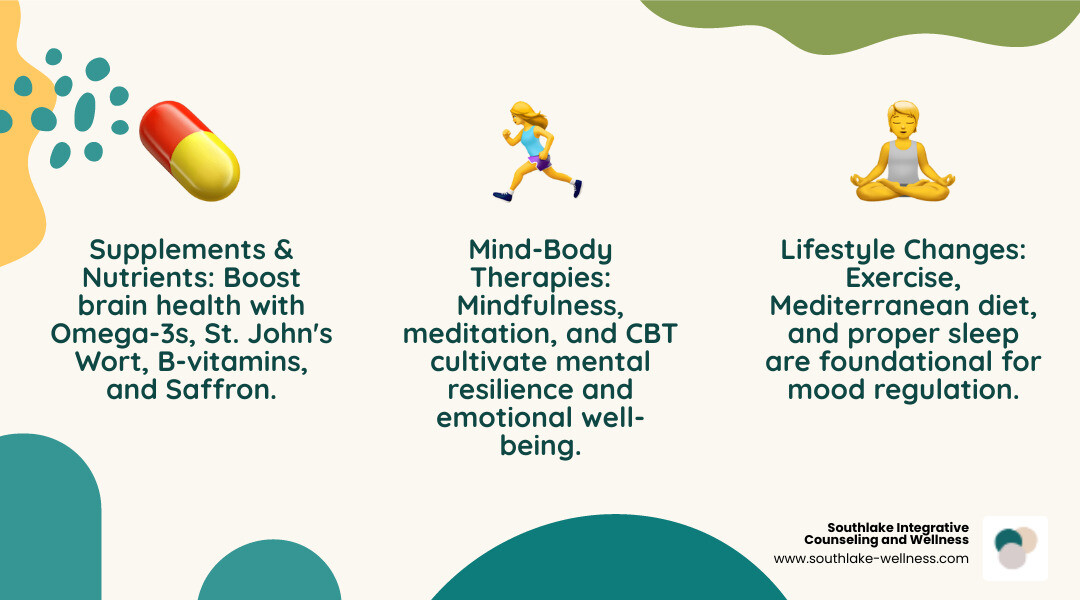
Natural remedies for depression are evidence-based approaches that support mental health through lifestyle, supplements, and mind-body practices. Some of the most effective options include:
- Exercise: 30 minutes of moderate activity, 5 times per week.
- Omega-3 Fatty Acids: Anti-inflammatory fats that support brain function.
- St. John's Wort: An herbal supplement for mild to moderate depression.
- Cognitive Behavioral Therapy (CBT): Talk therapy to change negative thought patterns.
- Mediterranean Diet: An eating pattern linked to lower depression risk.
- Mindfulness Meditation: Can improve depression symptoms by 10-20%.
- Saffron Extract: An emerging mood-boosting supplement.
- B-Vitamins and Magnesium: Nutrients for neurotransmitter production.
Depression is a treatable medical condition. While medication is a valid option, natural antidepressants promote brain health by improving brain cell communication, supporting gut health, lowering inflammation, and boosting mood-related chemicals like serotonin.
For mild to moderate depression, the American College of Physicians recommends either Cognitive Behavioral Therapy or antidepressant medication as a first-line treatment. This confirms that natural approaches can be primary, not just complementary, treatments. The most effective strategy is holistic, combining remedies to address the mind, body, and social connections.
I'm Holly Gedwed, a Licensed Professional Counselor Associate with 14 years of clinical experience. In my practice specializing in trauma, anxiety, and depression, I've seen how integrating natural remedies for depression into personalized treatment plans transforms lives.
The Science Behind How Natural Antidepressants Work
Natural remedies for depression support the body’s inherent mood regulation mechanisms, unlike conventional medications that target specific neurotransmitter systems. While medications can be effective, they may also have side effects.
A holistic approach recognizes the deep connection between mental and physical health. Natural antidepressants work by fostering overall brain health and balance through several pathways:
- Boosting Neurotransmitters: Natural approaches support the production and balance of mood-regulating chemicals like serotonin and dopamine. B vitamins, for example, are crucial for their synthesis.
- Improving Brain Cell Communication: Some remedies improve the efficiency of neural connectivity, leading to better mood stability and cognitive function.
- Nurturing the Gut-Brain Axis: A healthy gut microbiome, prioritized by natural approaches, influences neurotransmitter production and reduces inflammation, both vital for mood.
- Lowering Inflammation: Chronic inflammation is a significant contributor to depression. Natural interventions like diet and supplements (e.g., Omega-3s, curcumin) reduce systemic inflammation.
- Supporting Brain Structure: Natural methods can encourage neuroplasticity (the brain's ability to adapt) and neurogenesis (the growth of new brain cells). Exercise is a powerful driver of these processes.
This comprehensive approach gently addresses the root causes of depression, empowering the body and mind to heal with potentially fewer side effects. For a deeper dive, you can explore scientific research on nonpharmacologic vs pharmacologic treatment.
Evidence-Based Herbal Supplements and Nutrients
When considering supplements as natural remedies for depression, "natural" doesn't automatically mean "safe." The key is making evidence-based choices with professional guidance. Many supplements are not regulated by the FDA like prescription drugs, so their purity and potency can vary. Always consult your healthcare provider before starting any new supplement, especially if you take other medications.
St. John's Wort: A Potent Herb with Important Caveats
St. John's wort (Hypericum perforatum) is a well-known herbal remedy studied for mild to moderate depression. Some research suggests it can be as effective as some conventional antidepressants (SGAs) and may be better tolerated. It's thought to work by inhibiting the reuptake of neurotransmitters like serotonin, norepinephrine, and dopamine.
However, St. John's wort has significant drug interactions and is not recommended by many doctors due to variable active ingredients.
| Feature | St. John's Wort (for mild to moderate depression) | Common SSRI (e.g., Fluoxetine, Sertraline) |
|---|---|---|
| Efficacy | Potentially comparable for mild to moderate depression | Effective for mild, moderate, and severe depression |
| Side Effects | Generally well-tolerated; may include stomach upset, sun sensitivity, anxiety | Can include nausea, insomnia, sexual dysfunction, weight changes |
| Interaction Risk | HIGH – Interacts with many medications | Moderate to high, depending on specific SSRI |
| Regulation | Not FDA-regulated like prescription drugs; purity can vary | FDA-regulated; consistent dosage and quality |
| Availability | Over-the-counter | Prescription only |
| Professional Guidance | ESSENTIAL due to interactions | ESSENTIAL for prescription and monitoring |
Critical Drug Interactions: St. John's wort can reduce the effectiveness of many medications, including:
- Antidepressants: Can cause serotonin syndrome, a life-threatening condition.
- Birth control pills: May reduce their effectiveness.
- Blood thinners, heart medications, immunosuppressants, HIV/AIDS medications, and chemotherapy drugs.
When to Avoid: We strongly advise against using St. John's wort without consulting a healthcare provider, especially if you take other medications.
Omega-3 Fatty Acids: Brain-Boosting Fats
Omega-3 fatty acids, particularly EPA and DHA, are crucial for brain health and are powerful natural remedies for depression. They are integral to brain cell membranes, ensuring efficient communication between neurons. Omega-3s help by:
- Reducing Inflammation: EPA is a potent anti-inflammatory agent.
- Enhancing Neuroplasticity: These fats support the brain's ability to form new neural connections.
- Improving Signal Relay: They maintain the fluidity of nerve cell membranes for efficient neurotransmitter signaling.
Research shows omega-3s with a high concentration of EPA (at least 60%) can be effective. Studies have shown promising results for major depressive disorder, as detailed in this scientific evidence for Omega-3s.
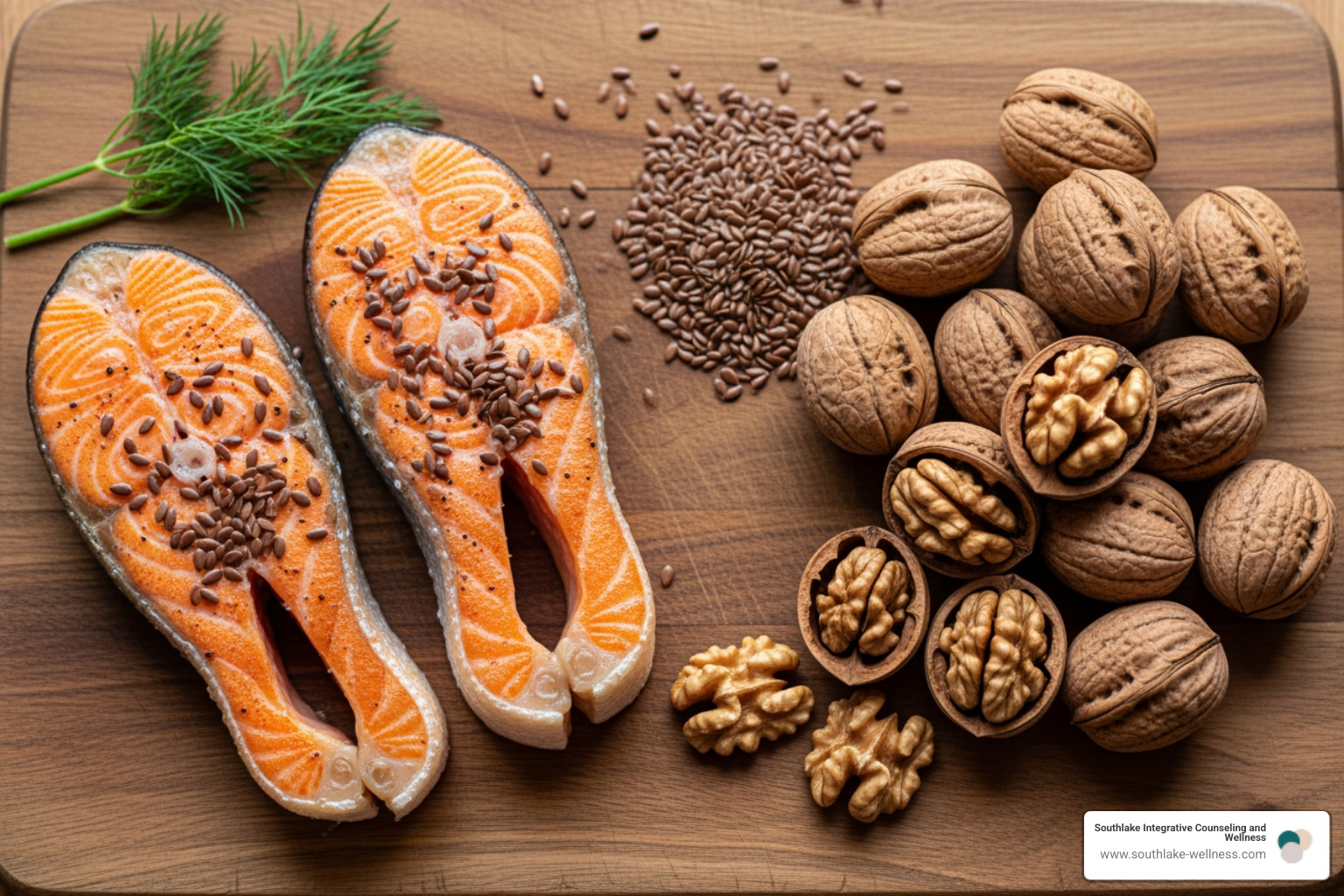
Food Sources: The best sources are fatty fish like salmon, mackerel, and sardines. Plant-based options include walnuts, flaxseeds, and chia seeds.
Supplement Quality: If supplementing, choose a high-quality, third-party tested fish oil with more EPA than DHA.
Other Promising Supplements: SAMe and Saffron
- SAMe (S-adenosyl-L-methionine): A naturally occurring compound involved in synthesizing neurotransmitters like serotonin and dopamine. Some research suggests SAMe can be effective for major depressive disorder, as explored in this clinical trial of S-adenosyl-L-methionine (SAMe) versus escitalopram.
- Saffron Extract (Crocus sativus): Clinical trials show this spice has significant antidepressant effects, with some studies suggesting it's comparable to certain medications for mild to moderate depression and anxiety. It works by influencing serotonin pathways and providing antioxidant and anti-inflammatory benefits.
Dosage & Consultation: Proper dosage is crucial for all supplements. Because they can have side effects and interact with medications, it is vital to consult a healthcare provider before adding SAMe or saffron to your regimen.
Lifestyle as Medicine: Powerful Natural Remedies for Depression
The daily choices we make are some of the most powerful natural remedies for depression, acting as potent "antidepressants" that support our brain and body.
The Impact of Exercise on Mood
Physical activity is one of the most effective and safest natural remedies for depression, benefiting both mental and physical fitness.

Exercise works by:
- Releasing Endorphins: Triggers the release of natural mood elevators.
- Promoting Neurogenesis: Stimulates the growth of new brain cells and connections.
- Reducing Inflammation: Acts as a powerful anti-inflammatory.
- Lowering Stress: Helps manage stress hormones like cortisol.
- Boosting Self-Efficacy: Accomplishing fitness goals improves self-esteem.
You don't need to be an elite athlete. About 30 minutes of moderate activity, five times a week, can dramatically improve your mood. Clinical guidelines often recommend exercise as a primary treatment for mild depression, as noted in resources like these clinical guidelines on exercise for depression.
Nutritional Psychiatry: Your Diet as one of the key natural remedies for depression
Our diet plays a critical role in mental health. This field, known as nutritional psychiatry, highlights food as a fundamental tool for wellness.
- The Mediterranean Diet: Rich in fruits, vegetables, whole grains, lean proteins, and healthy fats, this diet is linked to a lower risk of depression.
- Gut Health: A healthy gut microbiome, supported by probiotics (fermented foods) and prebiotics (fiber), is crucial for producing neurotransmitters.
- Essential Vitamins and Minerals: B-vitamins (Folate, B6, B12) and Magnesium are vital for nervous system function and mood regulation.
- Limit Processed Foods: High-sugar and refined-carb foods can cause blood sugar crashes and inflammation, contributing to mood instability.
By focusing on nutrient-dense foods, you create an internal environment that supports brain function and emotional resilience.
The Critical Role of Sleep Hygiene
Sleep and depression are closely linked; poor sleep can worsen symptoms, and depression can disrupt sleep. Prioritizing sleep hygiene is one of the most vital natural remedies for depression.
- Establish a Routine: Go to bed and wake up around the same time daily to regulate your body's internal clock.
- Create a Restful Environment: Keep your bedroom dark, quiet, and cool.
- Limit Blue Light: Avoid screens for at least an hour before bed, as blue light suppresses the sleep hormone melatonin.
- Use Relaxation Techniques: Wind down with a book, a warm bath, or deep breathing exercises.
- Get Daylight Exposure: Sunlight during the day helps set your body clock, improving nighttime sleep and boosting mood.
Mind-Body Therapies: An Integrated Approach to Mental Wellness
At Southlake Integrative Counseling and Wellness, we believe in treating the whole person by integrating mind-body therapies with other natural remedies for depression. These approaches empower you to cultivate inner resources for emotional balance.
Mindfulness and Meditation: Training the Mind as one of the best natural remedies for depression
Mindfulness and meditation are powerful practices that teach us to observe our thoughts and feelings without judgment, reducing their power to overwhelm us. Research shows they are effective natural remedies for depression.
- Studies show an eight-week meditation course can improve depression symptoms by 10-20%.
- Meditation may provide as much relief from some symptoms as antidepressants.
These practices work by reducing rumination (cycles of negative thoughts), lowering stress, fostering self-compassion, and improving emotional regulation. Learning with a teacher can be helpful, but the benefits of pausing worries and reducing reactivity make it a profound tool. If you struggle with self-compassion, you can find self-compassion exercises here.
The Power of Talking: How CBT and Other Therapies Complement Natural Remedies
Talking therapies provide invaluable tools for reshaping thought patterns and behaviors, complementing other natural remedies for depression. For mild depression, clinical guidelines often recommend therapy before medication.
- Cognitive Behavioural Therapy (CBT): This therapy helps identify and challenge negative thinking styles that contribute to depression. By reframing thoughts, you can change emotional and behavioral patterns. Learn more in our guide on Cognitive Behavioral Therapy.
- Behavioral Activation (BA): This approach focuses on increasing engagement in rewarding activities to create a positive feedback loop and lift mood. Our resources on Holistic Coping Strategies explore similar principles.
- Other Therapies: Problem-solving therapy helps individuals tackle life's challenges, while creative therapies (art, music) offer alternative avenues for emotional expression.
- Building Coping Skills: Therapy equips you with a toolkit to manage stress and build resilience. Our guides on Emotional Regulation Therapy and Resilience Building Therapy offer further insights.
Our personalized treatment plans integrate these therapies to address the underlying psychological, emotional, and lifestyle factors of depression.
Navigating Your Journey: Safety, Timelines, and Professional Guidance
Starting on a journey with natural remedies for depression requires careful navigation, patience, and professional guidance. While many remedies are gentle, they are not without risks.
Important: When to Seek Immediate Help
Your safety is our priority. If you are experiencing thoughts of suicide, self-harm, or harming others, please reach out for help immediately. Support is available 24/7.
- Call or text the Suicide and Crisis Lifeline at 988.
- You can also contact the Crisis Text Line for immediate support.
Always consult a healthcare provider for severe symptoms of depression.
Timelines and Expectations
Natural remedies for depression do not offer instant relief. Patience and consistency are key.
- Gradual Improvement: It may take several weeks of consistent use before you notice improvements.
- Track Your Symptoms: Monitoring your mood can help you and your provider assess what's working.
- When to Re-evaluate: If you don't feel better after a couple of months, talk to your healthcare provider to adjust your plan or explore other options.
Combining Natural and Conventional Treatments
This is a critical aspect of using natural remedies for depression responsibly. Always maintain open communication with your doctor.
- Consult Your Doctor: Before starting any new remedy or supplement, discuss it with your provider, especially if you are on medication.
- Risk of Interactions: Herbal supplements like St. John's wort can interact dangerously with antidepressants and other drugs, causing side effects like serotonin syndrome or reducing medication effectiveness.
- Tapering Off Medication: Never stop taking antidepressants abruptly. This must be done under the strict supervision of your prescribing doctor to avoid withdrawal and relapse.
Our team at Southlake Integrative Counseling and Wellness works collaboratively with your medical providers to ensure your treatment plan is safe, effective, and integrated.
Frequently Asked Questions about Natural Depression Treatments
Here, we address some common questions about exploring natural remedies for depression.
Can natural remedies completely replace my prescribed antidepressants?
For mild depression, non-medication approaches like therapy and lifestyle changes can be effective primary treatments. For moderate to severe depression, antidepressants may be necessary. Natural remedies for depression are rarely a direct substitute for medication. If you wish to transition or reduce your medication, it is essential to do so under your doctor's supervision to create a safe tapering plan. The goal is to find the safest, most effective path for you, which may be a combination of approaches.
Are "natural" remedies always safe?
No. The term "natural" can be misleading. While many lifestyle changes are gentle, some supplements and herbs carry risks:
- Side Effects: Natural remedies can have side effects, like St. John's wort causing sun sensitivity.
- Drug Interactions: This is a major concern. Herbal supplements can interact dangerously with prescription drugs. Always consult your doctor or pharmacist.
- Lack of Regulation: In the U.S., many supplements are not as strictly regulated as drugs, leading to inconsistencies in quality and purity.
"Natural" does not mean "risk-free." Professional guidance is essential to ensure any remedy is safe and appropriate for you.
What is the single most effective natural remedy for depression?
There is no single "most effective" natural remedy for depression. Because depression is a complex condition, the most powerful approach is typically a holistic and combined one, custom to your needs.
However, exercise and talking therapies (like CBT) consistently show strong evidence of effectiveness. The true power of natural remedies for depression lies in their synergistic application. Combining a nutrient-rich diet, regular exercise, good sleep, mindfulness, and therapy often yields the best results. Your path to wellness involves finding the combination of these tools that works best for you.
Conclusion
The path of natural remedies for depression is one of empowerment. We've seen how holistic approaches support brain health by balancing neurotransmitters, healing the gut-brain axis, and reducing inflammation. From supplements like St. John's wort and omega-3s to the foundational impact of lifestyle medicine—exercise, nutrition, and sleep—these are potent natural antidepressants. Mind-body practices like meditation and talking therapies such as CBT provide essential tools for building resilience.
The most effective approach is personalized and integrated, nurturing the mind, body, and spirit. We encourage you to make informed choices and always consult with healthcare professionals to ensure safety and efficacy.
At Southlake Integrative Counseling and Wellness, we are dedicated to guiding you on this journey. Our unique approach combines evidence-based therapies with alternative modalities to promote emotional balance. We believe in empowering you with the tools for lasting mental wellness. To see how we integrate natural remedies for depression into our services, please learn more about our holistic approach to mental healthcare.