
Understanding Trauma and the Path to Recovery
Trauma therapy programs are specialized services that help individuals heal from traumatic experiences using evidence-based approaches. Here's what you need to know:
Key Components of Trauma Therapy Programs:
- Evidence-based treatments like CBT, EMDR, and Exposure Therapy
- Multiple levels of care, including outpatient, intensive outpatient (IOP), and residential options
- Personalized treatment plans custom to individual needs and trauma types
- Family involvement and support system integration
- Duration varies from weeks to months depending on individual progress
The effects of untreated trauma can be profound, from reliving distressing events to avoiding people and places that once brought joy. More than half of U.S. adults will experience a traumatic event, such as assault, combat, a natural disaster, or childhood abuse. While some may develop Post-Traumatic Stress Disorder (PTSD), others experience symptoms that still significantly impact their daily lives.
The important truth is that healing is possible. Trauma therapy programs use research-backed, personalized approaches to help you process memories, develop healthy coping strategies, and reconnect with your life. Treatment is not one-size-fits-all; it's customized to your unique experiences and goals.
As Holly Gedwed, an LPC-Associate with 14 years of clinical experience in trauma, I've seen how the right programs transform lives by helping individuals build lasting resilience. My work focuses on matching therapeutic approaches to each person's journey toward healing.
Recognizing the Need for Help: When to Seek Treatment
Trauma's impact isn't always obvious. It can manifest as sleepless nights, sudden irritability, or an urge to avoid places that once felt safe. If trauma is affecting your daily life, relationships, or sense of peace, it's worth addressing. Reaching out for help is a brave and crucial step toward healing.
What Types of Experiences Can Lead to PTSD?
Trauma is a deeply personal response to an overwhelming event. While any experience perceived as a threat to your life or safety can be traumatic, certain events commonly lead to significant trauma symptoms or PTSD. These include:

- Physical or sexual assault
- Military combat
- Natural disasters, life-threatening accidents, or serious illness
- Childhood abuse or neglect
- Domestic or community violence
- Identity-based discrimination (e.g., racism, homophobia)
- Secondary trauma from witnessing others' suffering (common for first responders and healthcare workers)
Not everyone who experiences these events develops PTSD, but if you're struggling, trauma therapy programs offer structured support. For a deeper understanding of how healthcare can acknowledge trauma's widespread impact, explore A guide to trauma-informed care.
Common Symptoms That Indicate a Need for Treatment
Your mind and body signal when trauma's effects have become too much to manage alone. These symptoms are your system's attempt to protect you. Recognizing them is the first step.
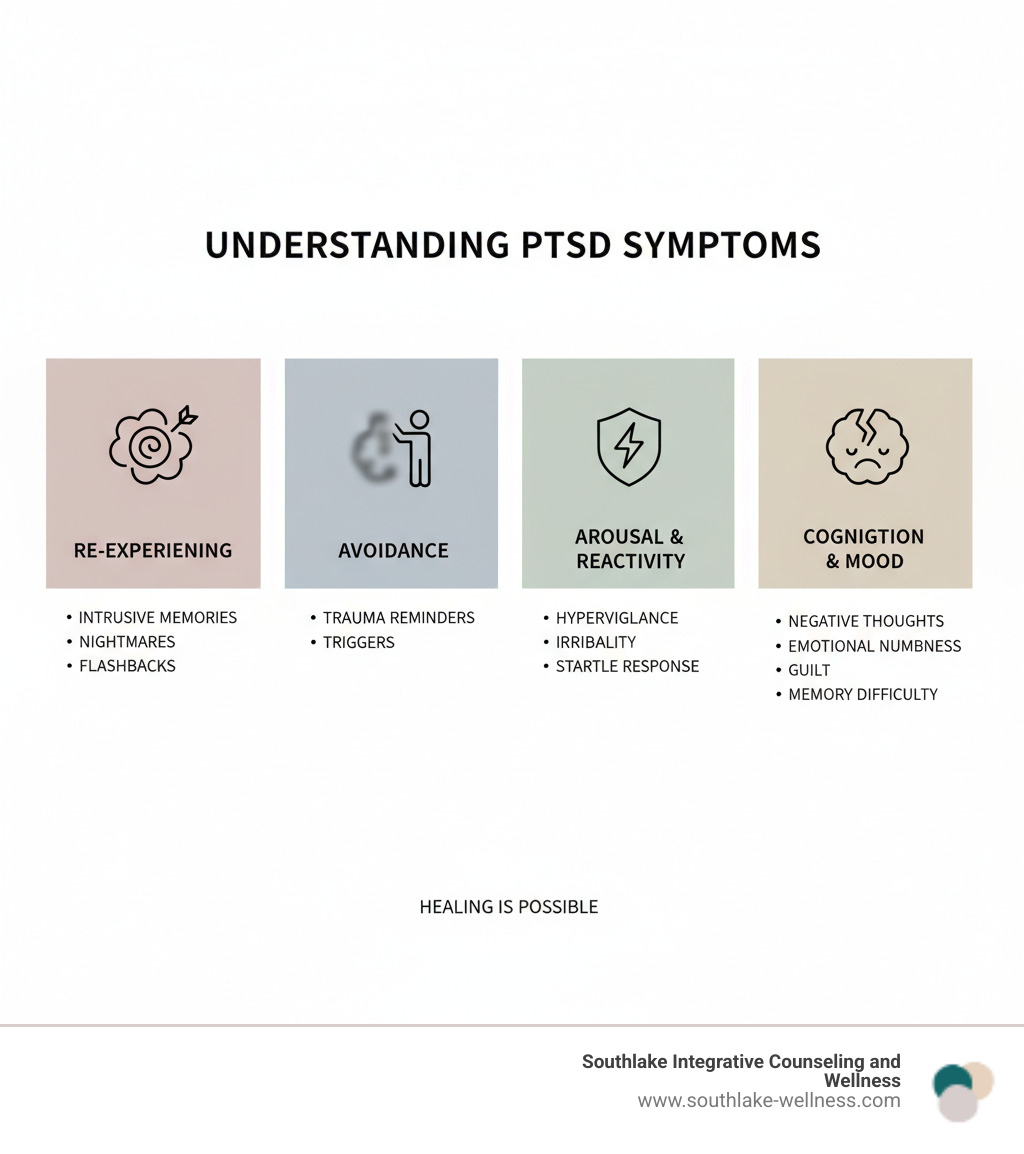
- Re-experiencing the event: Intrusive memories, nightmares, or flashbacks that make you feel like it's happening again.
- Avoidance: Actively avoiding people, places, or thoughts that remind you of the trauma, causing your world to shrink.
- Hyperarousal: Feeling constantly on edge (hypervigilance), having an exaggerated startle response, irritability, or difficulty concentrating and sleeping.
- Negative changes in mood and thoughts: Persistent guilt or shame, memory problems related to the event, loss of interest in activities, feeling detached from others, or emotional numbness.
- Panic attacks: Sudden episodes of intense fear accompanied by physical symptoms like a racing heart and shortness of breath.
These symptoms are rooted in real changes to the brain and nervous system, which can get stuck in a fight-or-flight response. If you recognize these signs, know that healing is possible. Our team can help you Develop Coping Skills and find your way back to a life where trauma no longer calls the shots.
Core Components of Effective Trauma Therapy Programs
Effective trauma therapy programs are built on evidence-based approaches and personalized to your unique journey. At Southlake Integrative Counseling and Wellness, we create treatment plans that honor your experiences and goals, focusing on the crucial mind-body connection. Trauma is stored in the body as well as the mind, so our Holistic Approach Therapy addresses both to build lasting resilience. The goal isn't to erase the past, but to process it in a safe, compassionate space so it no longer controls your present.
Therapeutic Approaches Used in Treatment
We use a variety of proven therapies, selecting the right tools for your specific needs. Our commitment to Evidence-Based Therapy: The Complete Guide ensures you receive the most effective care.
- Cognitive Behavioral Therapy (CBT): Helps identify and change negative thought patterns and behaviors linked to trauma. Learn more about Cognitive Behavioral Therapy.
- Exposure Therapy: Gradually and safely helps you confront trauma-related memories and situations to reduce fear and avoidance.
- Eye Movement Desensitization and Reprocessing (EMDR): Uses bilateral stimulation (like eye movements) to help the brain reprocess traumatic memories, reducing their emotional intensity.
- Accelerated Resolution Therapy (ART): A rapid, evidence-based therapy that uses eye movements and guided imagery to replace distressing images with positive ones, often providing relief in just a few sessions.
- Written Exposure Therapy (WET): A brief, five-session therapy where you write about the traumatic experience to process emotions and memories.
- Other specialized techniques: We also use Behavioral Activation (BA) to re-engage with life, Progressive Counting (PC), and the Flash Technique to gently reduce the intensity of disturbing memories.
Different Levels of Care for PTSD
Trauma treatment is not one-size-fits-all. We offer different levels of care to match the intensity of support you need.

- Outpatient Therapy: The most common format, involving regular weekly or bi-weekly sessions while you maintain your daily life.
- Intensive Outpatient Programs (IOP): A step up from outpatient, with several hours of therapy on multiple days per week for more concentrated support.
- Partial Hospitalization Programs (PHP): A daytime program (5-6 days/week) for those needing intensive support but can safely live at home.
- Inpatient/Residential Treatment: Provides 24/7 care and supervision in a therapeutic environment for severe symptoms.
At Southlake Integrative Counseling and Wellness, we offer various options, including our specialized Therapy Intensives Southlake program for accelerated treatment. We meet you where you are to help you move forward.
The Personal Touch: How Treatment is Customized
Your trauma is unique, and your healing path should be too. Effective trauma therapy programs are built around you. We consider your specific experiences, symptoms, personal history, and recovery goals. This commitment to Personalized Mental Health Care is at the heart of our Integrative Mental Health philosophy.
Customization also means addressing the full picture. We treat co-occurring conditions like depression or anxiety alongside trauma, and we honor your cultural background, values, and beliefs to ensure your treatment feels safe and resonant.
How is PTSD Treatment Personalized for Adolescents vs. Adults?
Trauma affects developing minds differently, so treatment must be adapted for age and life stage.

For adolescents, therapy addresses challenges specific to their world, such as school, peer relationships, and family dynamics. We often use creative approaches and specialized therapies like Trauma-Focused Cognitive Behavioral Therapy (TF-CBT). Family therapy is a key component, helping teens build healthy Develop Coping Skills within a supportive home environment.
For adults, treatment acknowledges the complexities of adult life, including careers, partnerships, and parenting. We work with you to fit therapy into your schedule and address long-standing coping patterns. We use well-researched approaches like Cognitive Processing Therapy (CPT), Eye Movement Desensitization and Reprocessing (EMDR), and Prolonged Exposure (PE).
The Role of Family Involvement in Recovery
Trauma impacts the entire family. Involving loved ones in the recovery process can be incredibly powerful.
Family involvement helps by:
- Educating loved ones about trauma and its effects, which builds empathy and understanding.
- Improving communication and providing a safe space to express needs and fears.
- Building a strong support system where family members learn how to provide effective support.
- Healing together when trauma has affected multiple family members, strengthening bonds.
When families participate, it normalizes seeking help and reduces stigma. For more resources, the National Child Traumatic Stress Network offers excellent guidance for families and caregivers. We are here to support your entire family on the journey toward healing.
Finding Your Path to Healing: How to Choose a Program and What to Expect
Taking the first step toward a trauma therapy program is about reclaiming your life. Effective treatment opens the door to an improved quality of life, where past events no longer control your present. Through therapies like Emotional Regulation Therapy, you learn to manage intense feelings and reconnect with life, moving from surviving to thriving.
How to Find the Right Trauma Therapy Programs
Finding a program that fits your needs is a key step. Here are some ways to start your search:
- Use online directories: Websites like SAMHSA's FindTreatment.gov allow you to filter by specialty, location, and insurance.
- Contact your insurance provider: Get a list of in-network trauma specialists to understand your coverage and costs.
- Ask for referrals: Your primary care doctor or other trusted professionals can often provide recommendations.
- Consult local resources: If you're in our area, our Southlake Mental Health Resources Guide offers curated information.
Look for programs that emphasize evidence-based practices and personalized care. The right program should feel like a good fit from the first conversation.
Potential Outcomes of Successful Treatment
The journey requires commitment, but the rewards are transformative. Successful treatment can lead to:
- Symptom Reduction: A significant decrease in intrusive memories, nightmares, flashbacks, and hypervigilance.
- Improved Well-being: Increased self-esteem, better relationships, and greater life satisfaction as you reconnect with activities and people you love.
- Long-Term Resilience: Development of effective coping skills and improved emotional regulation to handle future stressors.
Research shows that treatment is highly effective, with the vast majority of individuals reporting feeling better emotionally. This journey is an investment in your well-being and a testament to your strength. For more insights, explore our guide Mental Health Matters: A Guide.
Frequently Asked Questions about Trauma Therapy Programs
How long does a trauma therapy program last?
There is no set timeline for healing. The duration of a trauma therapy program depends on several factors, including:
- Your individual needs and the complexity of the trauma.
- The level of care you receive (e.g., outpatient vs. intensive outpatient).
- The specific type of therapy used (some, like WET, are designed to be brief).
- Your personal progress in treatment.
Healing is a unique journey, and your therapist will work with you to determine the right timeframe.
Is treatment for PTSD covered by insurance?
Yes, many treatments for PTSD are covered by insurance. At Southlake Integrative Counseling and Wellness, we accept most commercial insurance plans. However, coverage varies significantly by plan. It's important to distinguish between in-network and out-of-network benefits, as this affects your out-of-pocket costs.
We strongly recommend verifying your benefits with your insurance provider before starting treatment. Our team can assist you with this process. For those with limited or no coverage, we offer flexible payment plans.
What is the difference between trauma-informed care and trauma-specific treatment?
These complementary terms refer to different aspects of care.
- Trauma-Informed Care: This is a foundational approach or philosophy that guides an entire organization. It assumes that anyone seeking services may have a history of trauma and prioritizes creating an environment of safety, trust, and empowerment to avoid re-traumatization. The guiding question is, "What happened to you?" instead of "What's wrong with you?" You can learn more in this guide to trauma-informed care.
- Trauma-Specific Treatment: These are the direct, evidence-based clinical interventions used to treat trauma symptoms. This includes therapies like EMDR, CPT, and Accelerated Resolution Therapy (ART) that directly target and process traumatic memories.
In short, trauma-informed care creates the safe environment, while trauma-specific treatment provides the tools for healing. Both are essential in effective trauma therapy programs.
Conclusion: Taking the First Step Towards a Brighter Future
Exploring trauma therapy programs is a courageous affirmation that you deserve peace, happiness, and a life that is fully yours. Healing is a journey, not a destination. Some days will be easier than others, but what matters is that you are choosing to move forward. You do not have to walk this path alone.
Seeking help is one of the strongest things you can do. It is an investment in yourself and a commitment to breaking free from the patterns holding you back. Whether you struggle with intrusive memories, avoidance, or feeling constantly on edge, professional support can make all the difference.
At Southlake Integrative Counseling and Wellness, we know that every person's path to recovery is unique. We are committed to providing compassionate, personalized, and evidence-based care that honors your experiences. Our team is here to help you process trauma, build resilience, and find the emotional balance to thrive.
If you're ready to take the first step, we're ready to walk with you. We invite you to learn more about our approach to trauma with Accelerated Resolution Therapy (ART) and find how our trauma therapy programs can help you write a new chapter.
You are not alone. If you are in crisis or need immediate support, please reach out to the 988 Suicide & Crisis Lifeline. Help is available 24/7.
Your healing journey starts with a single step. We're here when you're ready to take it.