
Why Holistic Stress Management Matters More Than Ever
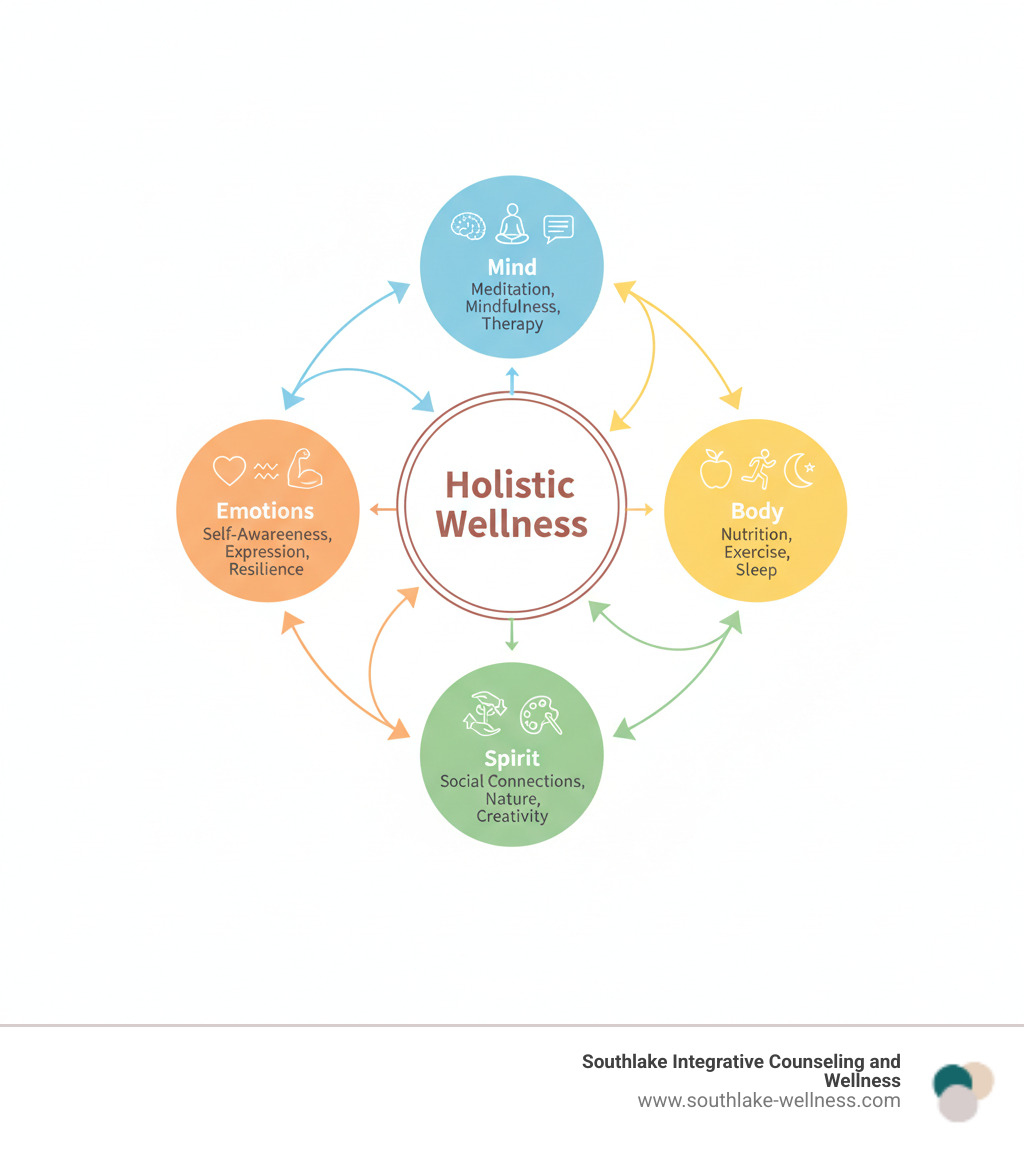
Holistic stress management is an approach that addresses stress by treating the whole person—mind, body, and spirit—rather than just managing symptoms. It recognizes that these areas are interconnected and that true well-being comes from nurturing all of them.
Unlike traditional methods that often provide temporary fixes, a holistic approach focuses on prevention and building long-term resilience. It combines techniques for the mind (mindfulness, therapy), body (nutrition, exercise, sleep), and spirit (social connection, creativity) to address the root causes of stress. The goal is to create a personalized toolkit that helps you respond to life's challenges in healthier ways.
In today's demanding world, chronic stress is a major contributor to serious health problems, including heart disease, obesity, and mental health disorders. It triggers a constant "fight or flight" response, elevating stress hormones, disrupting sleep, and causing inflammation. Over time, this wears down every system in your body.
However, you can build genuine resilience. By integrating evidence-based techniques like Cognitive Behavioral Therapy (CBT) with lifestyle modifications, you can create lasting change. This isn't about eliminating stress entirely—it's about developing the capacity to steer it effectively.
I'm Holly Gedwed, a Licensed Professional Counselor Associate with 14 years of clinical experience. I've seen how holistic stress management transforms lives by addressing the whole person. At Southlake Integrative Counseling and Wellness, we customize these approaches to fit your unique needs, helping you break unhealthy patterns and build lasting resilience.
The Science of Stress: How It Affects Your Mind and Body
Stress is a normal part of being human. Your body's sophisticated alarm system, the sympathetic nervous system, triggers a "fight-or-flight" response when it perceives a threat. Stress hormones like adrenaline and cortisol flood your system, preparing you for action. This is helpful for immediate danger but less so for daily stressors like work emails.
Fortunately, your body has a counterbalance: the parasympathetic nervous system, or "rest and digest" mode. This system helps you recover and heal. You can consciously activate this state, known as the Relaxation Response, to lower your heart rate, blood pressure, and stress hormones. Learning to trigger this response is a core part of holistic stress management. For practical guidance, see the APA's Healthy ways to handle life's stressors and our insights on Holistic Coping Strategies.
The Physiological Effects of Chronic Stress
While acute stress can be energizing, chronic stress is different. When your stress response stays activated, it's like running an engine at high RPMs 24/7. This constant state of alert damages every system in your body.
Research confirms that chronic stress is bad for the immune system, making you more vulnerable to illness. It also causes chronic inflammation, increases the risk of cardiovascular disease, and contributes to weight gain through cravings for unhealthy foods. Mentally, it fuels anxiety and depression, and it can wreak havoc on your digestive system. The cumulative toll is staggering, as unmanaged stress can literally make you sick, a topic we explore in Can Stress Make You Sick?.
Identifying the Warning Signs of Burnout
Unrelieved chronic stress can lead to burnout—a state of complete physical, emotional, and mental exhaustion. Catching the signs early is crucial for recovery. Look out for:
- Physical signs: Persistent fatigue, frequent headaches, muscle tension, digestive issues, and changes in sleep or appetite.
- Emotional signs: Irritability, cynicism, detachment, anxiety, and a sense of helplessness or dread.
- Behavioral signs: Withdrawing from others, procrastinating, relying on unhealthy coping mechanisms, and neglecting responsibilities.
- Cognitive signs: Brain fog, difficulty concentrating, poor memory, and feeling overwhelmed by simple decisions.
If these signs resonate, your body is signaling that it's time to prioritize your well-being. Ignoring them can lead to deeper health challenges. Explore strategies for Burnout Stress Recovery to start your journey back to balance.
The Pillars of Holistic Stress Management
At the core of holistic stress management is the recognition that your mind, body, and spirit are interconnected. When one area suffers, the others feel it. The pillars supporting your wellness include the mind-body connection, nutrition, quality sleep, social support, and spiritual practices. By strengthening these areas together, you build genuine, lasting resilience. Our Holistic Mental Wellness Ultimate Guide explores this approach in greater depth.

The Mind-Body Connection: Mindfulness and Meditation
Your mind and body are in constant conversation. If your mind can create physical tension, it can also create calm. Mindfulness is the practice of paying attention to the present moment without judgment, which research shows can reduce cortisol levels. Techniques like Mindfulness-Based Stress Reduction (MBSR) and body scan meditation help you become more aware of how thoughts and emotions manifest physically, allowing you to release stored stress. Even short-term mindfulness meditation programs work, and just a few minutes daily can make a difference. Practices like massage also deepen this connection, as we explore in Mind-Body Connection Massage Therapy.
Fueling Your Body: The Role of Nutrition
What you eat directly impacts your mood and ability to handle stress, thanks to the gut-brain axis. To support your mental health, focus on:
- Anti-inflammatory foods: Colorful fruits and vegetables, whole grains, nuts, and fatty fish rich in Omega-3s protect your cells from stress-induced damage.
- Mood-boosting foods: Foods rich in B vitamins, magnesium, and tryptophan—like bananas, oats, and dark chocolate—can help stabilize your mood. We guide clients on incorporating Mood Boosting Foods.
- Foods to limit: Excessive sugar, caffeine, and processed foods can worsen anxiety and irritability. Alcohol also disrupts sleep and increases stress over time.
- Adaptogenic herbs: Ashwagandha and rhodiola can help your body adapt to stress. For personalized guidance, we offer Functional Nutrition Counseling Southlake TX.
Rest and Recharge: The Importance of Quality Sleep
Quality sleep is a biological necessity, not a luxury. Most adults need 7 to 9 hours nightly to manage stress effectively. Daytime stress affects sleep, and poor sleep makes you less resilient. During sleep, your brain processes emotions and clears out waste. Without enough, your concentration, emotional regulation, and decision-making suffer.
To improve your sleep hygiene, protect your natural circadian rhythm. Stick to a consistent sleep schedule, create a relaxing wind-down routine, limit screen time before bed, keep your bedroom dark and cool, and avoid caffeine or heavy meals late in the day.
Actionable Holistic Techniques for Everyday Life
Putting holistic stress management into practice is where real change happens. The key is to start small and build habits, as consistency matters more than perfection. For a broader look at various methods, check out our article on Holistic Stress Management Techniques.
Movement as Medicine: Physical Activity for Stress Relief
Regular physical activity is one of the most powerful tools for managing stress naturally. Moving your body releases mood-lifting endorphins and reduces stress hormones like cortisol. It also improves sleep and brings you into the present moment, helping daily worries fade.

The best type of movement is the one you'll actually do. Consider practices like Yoga, which combines physical postures with breath and mindfulness, and is a core part of our holistic approach at Southlake Wellness. Other great options include therapeutic walking or running, expressive dancing, or grounding practices like tai chi. Find what brings you joy, and the endorphins will follow.
The Power of Breath: Immediate Stress Relief
Your breath is a powerful, portable stress-relief tool. Consciously changing your breathing pattern can activate your body's relaxation response. Try these techniques:
- Diaphragmatic (Belly) Breathing: Breathe in slowly through your nose, letting your belly rise. Exhale slowly through your mouth as your belly falls. This deep breathing sends calming signals throughout your body.
- The 4-7-8 Technique: Breathe in for 4 counts, hold for 7, and exhale for 8. The long exhale tells your nervous system you're safe.
- Heart-Focused Breathing®: Focus on your heart area, breathing slowly and deeply (e.g., 5 seconds in, 5 seconds out) to bring your heart, mind, and emotions into alignment.
These can be done anywhere, anytime for immediate relief. For more mind-body tools, explore Emotional Freedom Techniques.
Connecting with Nature and Creativity
Stepping outside and engaging in creative acts are essential parts of holistic stress management. Studies show that spending time in green space improves mood and reduces stress, a concept known as the biophilia hypothesis. This can be as simple as a walk in a park or tending to a houseplant.
Creative expression like journaling, music, or art allows you to enter a state of flow where worries fade. These activities provide a safe outlet for processing emotions and quieting mental chatter. It's not about being perfect; it's about giving yourself permission to play, express, and connect.
Advanced Strategies and Professional Support
Sometimes, self-care practices aren't enough, and seeking professional guidance is a sign of wisdom. Holistic stress management recognizes that true resilience often requires advanced strategies. This is central to our work at Southlake Integrative Counseling and Wellness, as explored in our resources on Integrative Mental Health and our Integrative Therapy Guide.
Structuring Your Mind: CBT and Time Management
Our thoughts powerfully shape how we experience stress. Cognitive Behavioral Therapy (CBT) is a game-changing tool that helps you recognize and challenge unhelpful thought patterns. Through cognitive restructuring, you learn to question automatic negative thoughts, examine evidence, and develop more balanced ways of thinking. We specialize in Cognitive Behavioral Therapy and offer an Anxiety CBT Complete Guide.
Equally important is how you structure your time. Effective time management isn't about doing more; it's about prioritizing what matters. This includes breaking down large goals and setting boundaries—learning to say "no" and protecting your energy to prevent burnout.
Complementary Therapies for a Complete Holistic Stress Management Approach
Complementary practices can deepen your holistic journey by addressing stress from different angles. They work alongside conventional care to improve well-being.
Acupuncture, a practice from Chinese medicine, stimulates the nervous and immune systems. It can be effective for stress-related insomnia, anxiety, and chronic pain.
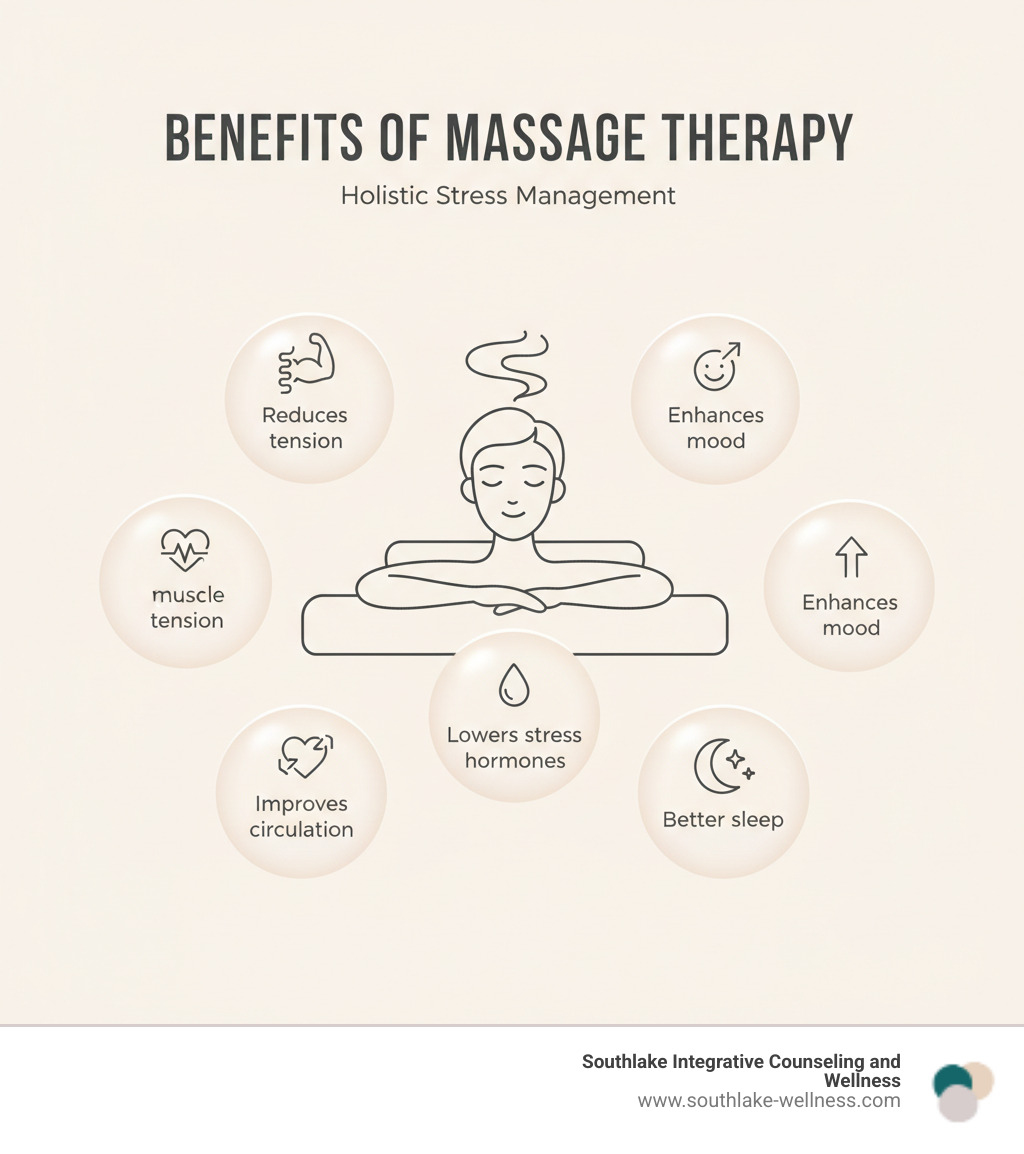
Massage therapy reduces muscle tension, promotes deep relaxation, and lowers stress hormones. It's a powerful tool for treating anxiety and insomnia. We explore this further in our article on Mind-Body Wellness and Massage Therapy.
Here's a quick comparison:
| Therapy | Primary Benefits for Stress Relief |
|---|---|
| Acupuncture | Stimulates nervous/immune systems, reduces chronic pain, helps with digestive issues, effective for insomnia and anxiety. |
| Massage Therapy | Reduces muscle tension, promotes deep relaxation, lowers stress hormones, helps treat anxiety and insomnia. |
Building Emotional Resilience for the Long Term
Resilience is not a fixed trait; it's a skill you can develop. It's your capacity to adapt and recover in the face of adversity. Building it involves several key practices:
- Cultivating a positive mindset by reframing challenges as opportunities for growth.
- Developing strong problem-solving skills to tackle stressors head-on.
- Nurturing social connections, which serve as a powerful buffer against stress.
- Practicing consistent self-care across all dimensions of your life—physical, mental, and emotional.
This ongoing journey is the essence of holistic stress management. We can help you Build Emotional Resilience and offer a Develop Coping Skills Guide to deepen your practice.
Frequently Asked Questions about Holistic Stress Management
As we work with clients in Southlake, TX, certain questions about holistic stress management come up often. Here are answers to some of the most common ones.
What is the main difference between holistic and traditional stress management?
Traditional stress management is often reactive, like putting a band-aid on a symptom. It might involve medication or removing yourself from a stressful situation. Holistic stress management, in contrast, is proactive. It treats the whole person—mind, body, and spirit—to address the root causes of stress. By weaving together therapies like CBT with lifestyle changes in nutrition, exercise, and mindfulness, we build a resilient foundation that prevents stress from becoming overwhelming in the first place.
How quickly can I feel the benefits of these techniques?
The answer is both immediately and over time.
- Immediate Relief: Techniques like deep breathing or a short walk can calm your nervous system in minutes.
- Short-Term Benefits: With consistent practice of mindfulness, exercise, or better nutrition, you may notice improved sleep and mood within a few weeks.
- Long-Term Changes: Building deep emotional resilience and reshaping thought patterns takes months of dedicated practice. These small, regular efforts compound to create significant, lasting change.
Consistency is the key. A few minutes of daily practice can make a huge difference.
When is it time to see a professional for stress?
While self-care is powerful, seeking professional support is a sign of wisdom. Consider reaching out if:
- You feel overwhelmed to the point where daily tasks seem impossible.
- Self-help strategies aren't working, or your symptoms are worsening.
- You experience chronic symptoms like persistent anxiety, depression, insomnia, or stress-related physical ailments.
- Stress is negatively impacting your work, relationships, or daily functioning.
If you're experiencing thoughts of self-harm or suicide, please seek immediate help. Call or text 988 for the Suicide and Crisis Lifeline, or go to your nearest emergency room. Your life matters.
At Southlake Integrative Counseling and Wellness, we provide a supportive environment to help you develop personalized strategies for well-being.
Conclusion
We've explored how holistic stress management addresses stress as a whole-body experience, affecting your mind, body, and spirit. The key takeaway is that you are empowered to become an active participant in your own well-being.
The goal isn't perfection. It's about taking small, consistent steps that work for you—whether that's five minutes of deep breathing, a weekly yoga class, or healthier food choices. By nourishing your body, moving with joy, practicing mindfulness, and building emotional resilience, you create a strong foundation for genuine wellness.
Personalization is absolutely key. Your stress experience is unique, and your wellness plan should be too. Experiment with different techniques and honor your individuality as you create a sustainable practice.
At Southlake Integrative Counseling and Wellness, we specialize in creating these personalized plans. We combine evidence-based therapies like CBT with complementary modalities such as nutritional counseling and massage therapy, all custom to your specific needs. We are here in Southlake, TX, to help you build resilience and thrive.

Your well-being matters. If you're ready to take the next step toward a more balanced, resilient life, we'd be honored to support you. Learn more about our holistic approaches to wellness and find how we can help you create a plan that's right for you.