
Understanding the Body and Mind Therapeutic Connection
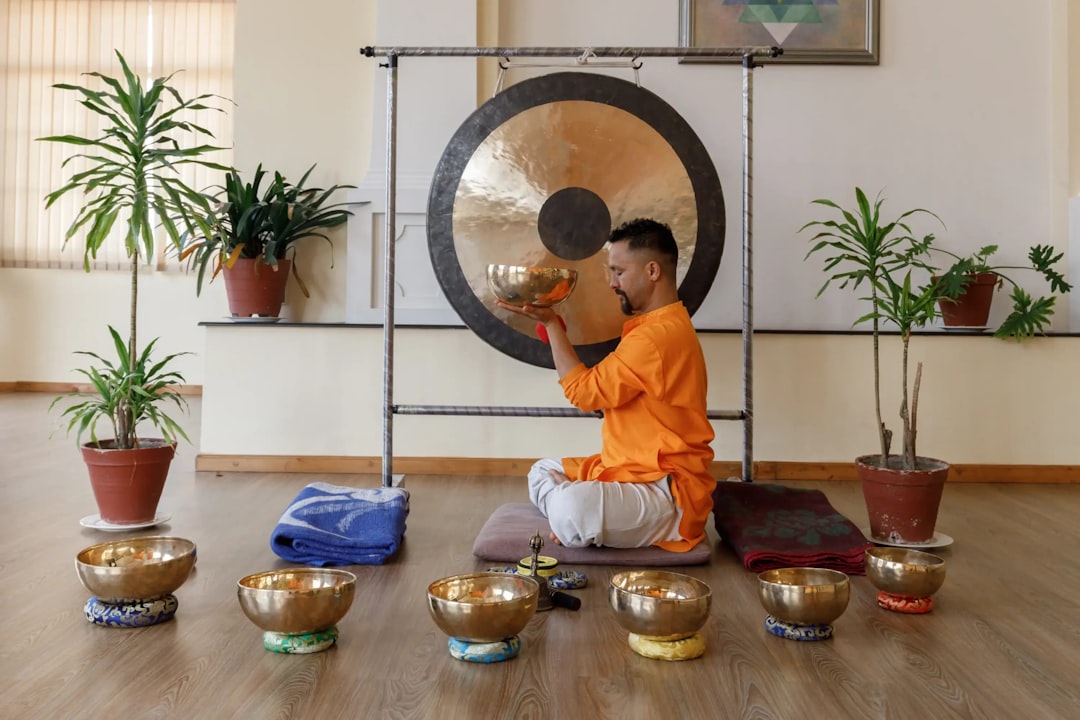
Body and mind therapeutic approaches recognize that your thoughts, emotions, and physical sensations are deeply interconnected. These therapies work by addressing both mental and physical aspects of well-being simultaneously, rather than treating them as separate issues.
What Body and Mind Therapeutic Options Include:
- Body-Mind Psychotherapy (BMP) - Integrates physiology, movement, and cognitive work to help you reconnect with bodily experiences
- Somatic Therapies - Focus on releasing trauma stored in the nervous system through techniques like grounding, breathwork, and movement
- Mind-Body Massage - Goes beyond traditional massage by incorporating mindfulness and intentional awareness to release both physical tension and emotional stress
- Body-Mind Centering® - Explores cellular intelligence and developmental patterns to foster greater self-awareness
- Movement Therapy - Uses dance and purposeful movement as non-verbal expression and healing
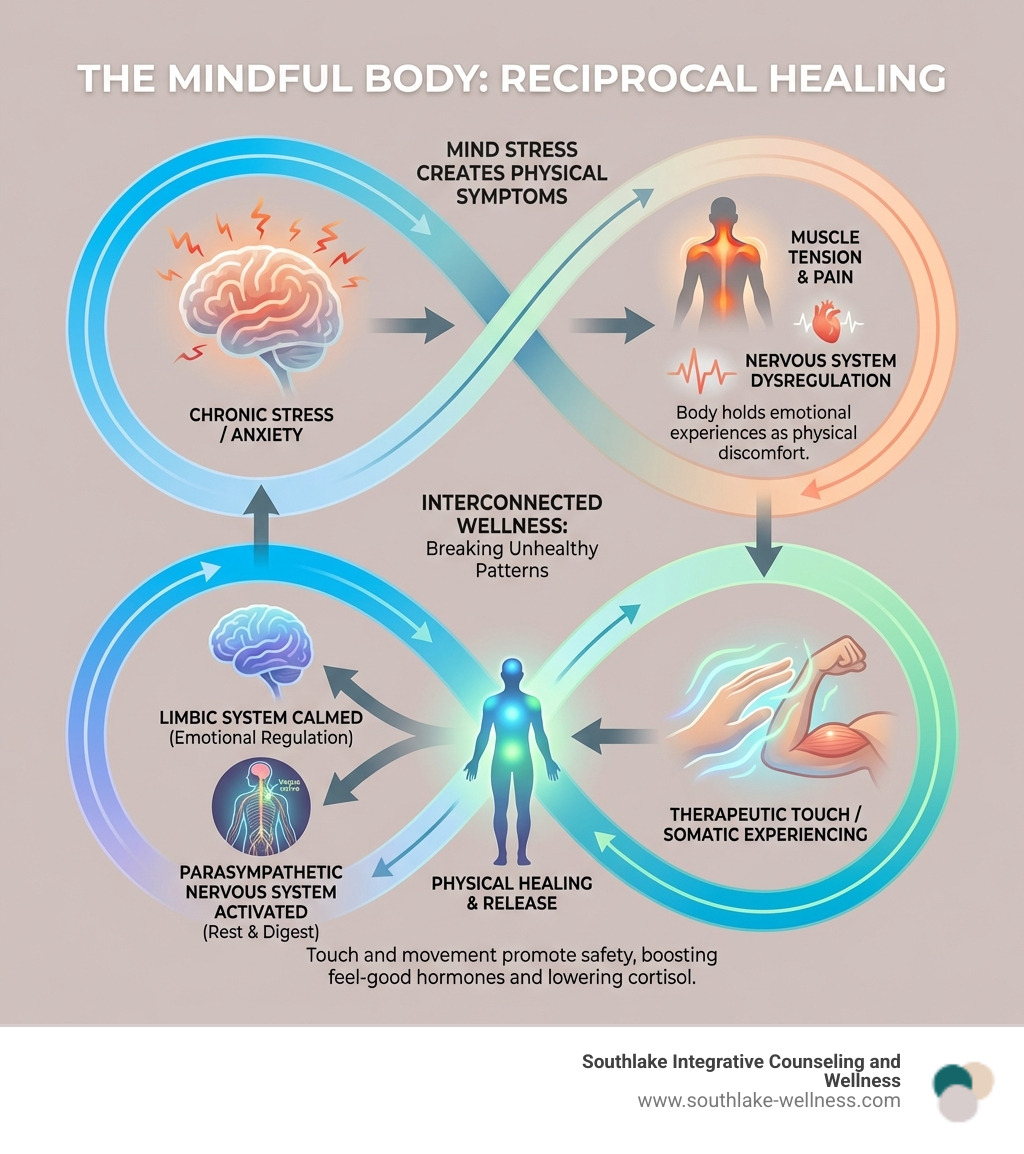
When you experience chronic stress, anxiety, or unresolved trauma, your body often holds onto these experiences in the form of muscle tension, chronic pain, or nervous system dysregulation. Body and mind therapeutic approaches help release these stored patterns while simultaneously addressing the emotional roots of your distress.
Research shows that therapeutic touch boosts feel-good hormones like dopamine and serotonin while lowering stress hormone cortisol. Studies also reveal that somatic experiencing effectively reduced trauma symptoms across multiple sessions, with participants showing significant improvements in PTSD symptoms that lasted beyond treatment.
I'm Holly Gedwed, a Licensed Professional Counselor Associate with 14 years of clinical experience specializing in trauma and addiction recovery. My practice incorporates body and mind therapeutic modalities like CBT, DBT, and Acceptance & Commitment Therapy to help clients break unhealthy patterns and achieve lasting internal change.
The Science of the Body and Mind Therapeutic Connection
Have you ever noticed how your shoulders seem to migrate toward your ears when you're stressed? Or how a "gut feeling" actually feels like a physical flutter in your stomach? That isn't just a coincidence—it’s science. At Southlake Integrative Counseling and Wellness, we lean heavily into the biological reality that our brains and bodies are constantly talking to each other.
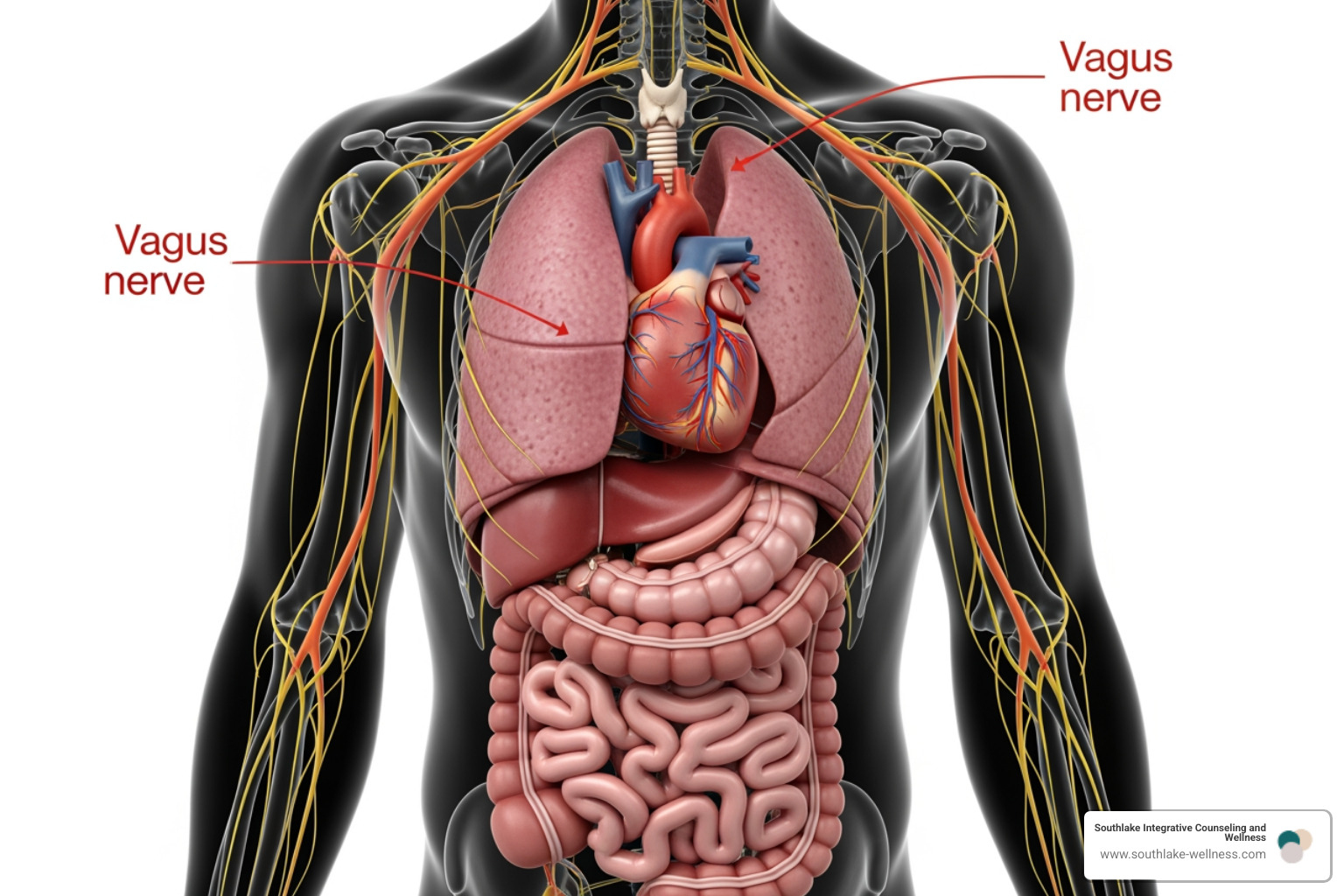
The "telephone line" for this conversation is primarily the nervous system. Specifically, the vagus nerve acts as a superhighway, carrying signals between the brain and vital organs like the heart, lungs, and digestive system. When we engage in body and mind therapeutic work, we are essentially "hacking" this system to promote healing.
Psychoneuroimmunology and Hormonal Balance
There is a fancy word for this: psychoneuroimmunology. It’s the study of how our thoughts and emotions influence our nervous and immune systems. When we are stuck in a cycle of Integrative Mental Health challenges, our bodies are often flooded with cortisol, the "stress hormone." Over time, high cortisol can lead to inflammation and a weakened immune system.
However, Scientific research on the mind-body link suggests that this connection works both ways. Just as mental stress creates physical symptoms, physical healing can calm emotional turmoil. For instance, Scientific research on massage outcomes confirms that therapeutic touch can literally rewire how we respond to stress by releasing:
- Dopamine and Serotonin: Our natural "feel-good" chemicals.
- Oxytocin: The "bonding hormone" that creates feelings of trust and safety.
- Endorphins: Natural painkillers that are more powerful than morphine.
Core Principles of Body and Mind Therapeutic Psychotherapy
One of the most influential frameworks in this field is Body-Mind Psychotherapy (BMP), developed by Susan Aposhyan in the 1980s and 90s. BMP is a somatic-cognitive approach that doesn't just ask, "How do you feel about that?" but also "Where do you feel that in your body?"
We use several core principles from BMP to help our clients in Southlake:
- The Developmental Edge: This is the boundary between what you can currently do and your potential for growth. In therapy, we work at this "edge" to help you evolve.
- The Interaction Cycle: This involves identifying a desire, feeling how it moves through the body, and sequencing a response.
- Energetic Mapping: We track the flow of energy in the body to see where it gets stuck.
- Experiential Anatomy: We help you visualize and "breathe into" specific body systems (like your skeletal or muscular systems) to find structural and emotional support.
By using Body-Mind Psychotherapy techniques, we help individuals overcome "dissociation"—that feeling of being a "floating head" disconnected from the rest of their physical self.
How Physical Healing Calms Emotional Turmoil
Our brains have a "smoke detector" called the limbic system. When it senses danger, it triggers the "fight-or-flight" response. The problem is that modern stress (like a demanding job or a difficult relationship) keeps that smoke detector going off constantly.
When we use body and mind therapeutic techniques like deep tissue work or myofascial release, we send a signal of safety directly to the limbic system. This activates the parasympathetic nervous system—the "rest-and-digest" mode. This shift is crucial because Can Stress Make You Sick is a very real concern; chronic stress can lead to everything from headaches to digestive issues and heart disease. By calming the body, we give the mind the space it needs to process emotions without being in a state of constant alarm.
Somatic Therapies for Trauma, Anxiety, and Pain
If you’ve ever felt like your brain wants to move on from a past event but your body won't let you, you’re experiencing "stored trauma." Somatic therapy is specifically designed to address this. The term "somatic" simply means "of the body."
One of the pioneers in this field, Peter Levine, developed "Somatic Experiencing." He observed that animals in the wild don't get PTSD because they literally "shake off" the energy of a life-threatening event once the danger has passed. Humans, unfortunately, often suppress this natural discharge, leading to trauma being "locked" in our tissues.
Interoception, Proprioception, and Exteroception
To heal, we focus on three types of internal awareness:
- Interoception: Feeling what is happening inside your body (heart rate, hunger, tension).
- Proprioception: Knowing where your body is in space.
- Exteroception: Being aware of the environment through your senses.
A 2021 review of somatic experiencing found that these approaches are highly effective for reducing PTSD symptoms. This is why Emotional Trauma Therapy at our Southlake center often involves more than just talking; it involves feeling.
Key Components of Body and Mind Therapeutic Exercises
You don't always need a therapist's office to begin this work. Many body and mind therapeutic exercises can be practiced at home to help regulate your nervous system.
- Grounding: This is the act of connecting with the present moment. It can be as simple as feeling your feet flat on the floor or holding a cold object.
- Diaphragmatic Breathing: Also known as "belly breathing," this involves inhaling deeply through the nose so your stomach expands, then exhaling slowly through pursed lips. This is one of the fastest ways to signal your brain to relax.
- Body Scans: A mindfulness practice where you mentally scan your body from toe to head, noticing areas of tension without judgment.
- The Alexander Technique: A method for becoming aware of harmful postural habits and learning to move with more ease.
- Progressive Muscle Relaxation: Tensing and then slowly releasing different muscle groups to teach the body the difference between stress and relaxation.
Learning How to Practice Mindfulness in this way allows you to become an active participant in your own healing.
Addressing Stored Trauma in the Body
Traumatic experiences leave "imprints" on the nervous system. This can manifest as hypervigilance (always being on guard), chronic fatigue, or even unexplained physical pain. What is somatic therapy? explains that by focusing on the body’s sensations, we can help the nervous system complete the "stress cycle" it was unable to finish at the time of the trauma.
When we Heal Emotional Trauma, we aren't just looking for a "fix"—we are looking for a release. This somatic release might look like a deep sigh, a sudden feeling of warmth, or even a few tears. These are all signs that the body is finally letting go of what it has been carrying.
Integrating Body-Mind Centering® and Specialized Massage
At Southlake Integrative Counseling and Wellness, we believe in using every tool available. This includes the fascinating work of Bonnie Bainbridge Cohen and her Body-Mind Centering® (BMC) approach.
BMC is based on the idea of "cellular intelligence." It suggests that every cell in our body has a form of consciousness. By exploring our embryological foundations—how we were formed in the womb—and our ontogenetic development (how an infant learns to move), we can find new ways to support our adult selves.
Benefits of Body and Mind Therapeutic Massage
When people think of massage, they often think of a spa day. But Mind Body Connection Massage Therapy is different. While a traditional massage focuses purely on muscle manipulation, a body and mind therapeutic massage incorporates:
- Intentional Awareness: Both the therapist and the client focus on the sensations and emotions that arise.
- Fascia Release: Working with the connective tissue (fascia) that wraps around every muscle and organ. Fascia is highly responsive to emotional stress.
- Sensory Integration: Helping the brain better process the information it receives from the body.
The benefits are extensive. Mind Body Wellness and Massage Therapy can lead to significant blood pressure reduction, improved sleep, and even better outcomes in addiction recovery. It’s not just about "relaxing"; it’s about "re-patterning" how your body holds stress.
Movement as a Means of Expression
Sometimes, words are simply not enough. This is where Dance/Movement Therapy (DMT) comes in. Movement can be functional, communicative, or expressive. By using Yoga or guided movement, we provide a non-verbal outlet for emotions that might be too painful or complex to put into sentences.
This type of therapy also has a biological bonus: it produces endorphins. When the body moves at a consistent rate, it triggers the release of these "feel-good" chemicals, providing a natural boost to your mood and helping to alleviate symptoms of depression and anxiety.
Frequently Asked Questions about Body-Mind Therapies
We know that body and mind therapeutic options can seem a bit "out there" if you're used to traditional talk therapy. To help clarify, we’ve put together this comparison table:
FeatureTraditional Talk Therapy (e.g., CBT)Somatic/Body-Mind TherapyPrimary FocusThoughts, beliefs, and behaviors.Bodily sensations and nervous system regulation.MethodVerbal dialogue and cognitive restructuring.Movement, breathwork, touch, and awareness.GoalChange negative thought patterns.Release stored tension and trauma from the body.Best ForLogic-based problem solving and insight.Trauma, chronic stress, and "feeling stuck."IntegrationOften works "top-down" (mind to body).Often works "bottom-up" (body to mind).
What conditions are treated with body-mind therapy?
These therapies are incredibly versatile. We have found them particularly helpful for:
- PTSD and Trauma: Releasing the physiological "stuckness" of past events.
- Anxiety and Panic Disorders: Calming the overactive sympathetic nervous system.
- Depression: Using movement and touch to "wake up" the body and release endorphins.
- Eating Disorders: Helping clients reconnect with their bodies in a safe, non-judgmental way.
- Addiction Recovery: Lowering the stress levels that often trigger cravings.
Taking a Holistic Approach to Depression means looking at the whole person—not just their symptoms, but how those symptoms live in their physical being.
How do I find a qualified practitioner?
When looking for an Integrative Therapist Near Me in Southlake or the surrounding DFW area, it’s important to check for a few things:
- State Licensure: Ensure they are a Licensed Professional Counselor (LPC), Clinical Social Worker (LCSW), or similar.
- Specialized Certification: Look for training in Somatic Experiencing (SEP), Body-Mind Centering®, or specific somatic psychotherapy programs.
- Professional Boundaries: A good therapist will always prioritize your comfort, especially when it comes to touch-based therapies. You should always feel in control of the session.
What scientific evidence supports these therapies?
The evidence is growing every day. A 2025 pilot study on mindfulness and body awareness showed that combining these two elements significantly reduced symptoms of both anxiety and depression after just eight weeks. Furthermore, Harvard research on somatic therapy effectiveness indicates that while it is newer than CBT, it shows immense promise for improving emotional regulation and overall well-being.
Conclusion
At Southlake Integrative Counseling and Wellness, we are passionate about providing holistic mental healthcare that honors the whole person. We know that true healing doesn't happen in a vacuum—it happens when we address the mind and the body as the single, beautiful unit they are.
Whether you are struggling with chronic stress, recovering from trauma, or simply looking to find a deeper sense of emotional balance and resilience, our body and mind therapeutic options are designed to meet you where you are. We combine evidence-based practices with alternative modalities to create personalized treatment plans that actually work for your life in Southlake, Texas.
Ready to see how a more integrated approach can help you? Explore our Services or reach out to us today. You don't have to steer your healing journey alone—we are here to help you reconnect, release, and thrive.