
Why a Progressive Muscle Relaxation Script Can Transform Your Stress Response
A progressive muscle relaxation script is a guided tool that walks you through systematically tensing and releasing muscle groups throughout your body to reduce stress and anxiety. Here's what you need to know:
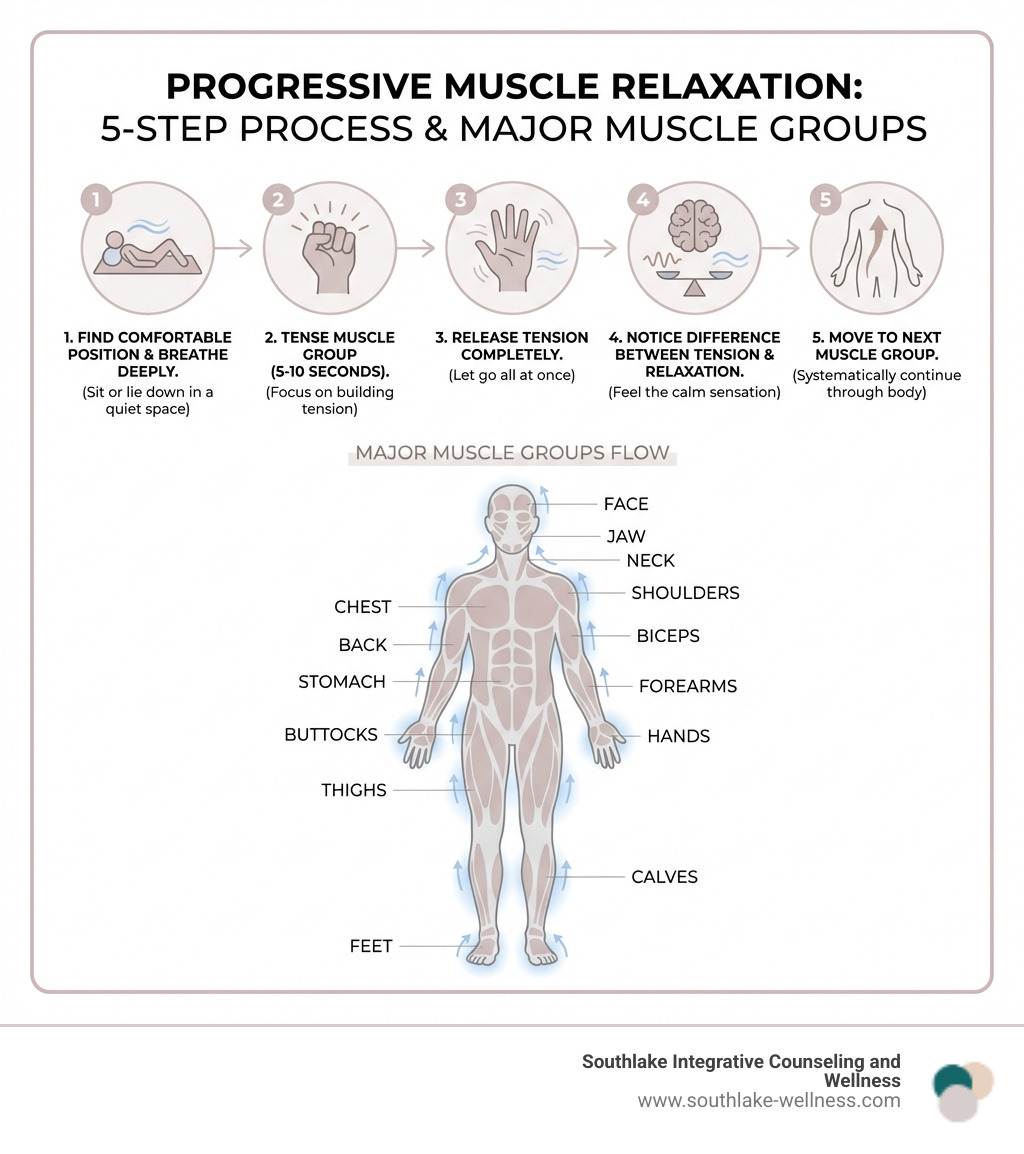
Quick Answer: The Basic PMR Process
- Find a comfortable position - Sit or lie down in a quiet space
- Tense each muscle group - Hold tension for 5-10 seconds
- Release completely - Let go all at once and notice the relaxation
- Move systematically - Work through 14 major muscle groups from feet to face
- Practice regularly - 10-15 minutes daily for best results
Edmund Jacobson's interest in anxiety began in a bicycle shop fire on the north side of Chicago in 1898. Aged 10, he observed how his father changed from being a quiet man to being what Jacobson described as "excitable." This childhood experience sparked a lifelong pursuit that led to the development of Progressive Muscle Relaxation in the 1920s - a technique that helps you distinguish between the feeling of a tensed muscle versus a relaxed one.
Why does this matter? Your body stores stress and tension in specific muscle groups, often without you realizing it. When high-stress college students were trained in PMR, studies showed significant short-term effects including increased mental and physical relaxation and lowered stress levels. The American Psychological Association now recognizes PMR as an empirically supported treatment for insomnia, and research has demonstrated its effectiveness for conditions ranging from tension headaches and high blood pressure to anxiety and chronic pain.
The beauty of PMR lies in its simplicity. You don't need special equipment, a gym membership, or hours of free time. Just 10-15 minutes and a quiet space where you can focus on the sensations in your body. By deliberately creating tension and then releasing it, you train your nervous system to recognize what deep relaxation feels like - and more importantly, how to access that state when stress hits.
I'm Holly Gedwed, a Licensed Professional Counselor Associate with 14 years of clinical experience specializing in trauma and stress management. Throughout my practice, I've guided countless clients through progressive muscle relaxation scripts as part of a holistic approach to managing anxiety, depression, and the physical manifestations of stress.
What is Progressive Muscle Relaxation (PMR)?
Progressive Muscle Relaxation (PMR) is a simple, yet profoundly effective, relaxation technique that involves systematically tensing and then relaxing different muscle groups in the body. Developed by American physician Edmund Jacobson in the 1920s, PMR is founded on the idea that physical relaxation can lead to mental calm. Jacobson’s early observations led him to conclude that mental and physical tension are deeply intertwined; by consciously releasing physical tension, we can alleviate psychological stress.
At its core, PMR teaches us to become more aware of our body's physical sensations. Many of us carry tension in our muscles without even realizing it, a common side effect of what is chronic stress. This unconscious clenching can contribute to a host of physical and mental health issues. PMR works by first instructing us to intentionally tense a specific muscle group for a short period. This focused tension helps us identify what a stressed, contracted muscle feels like. Then, we release that tension completely, allowing the muscle to go limp and soft. The contrast between the intense tension and the subsequent release helps us recognize the feeling of deep relaxation.
This systematic process trains our nervous system to initiate the body's natural relaxation response. When we're stressed, our "fight or flight" response kicks in, causing muscles to tense. PMR effectively reverses this, helping us activate the "rest and digest" response. Over time, consistent practice of a progressive muscle relaxation script can increase our awareness of early signs of tension and empower us to release it before it escalates into full-blown stress or anxiety. This mind-body connection is a cornerstone of holistic stress management, helping us regain control over our physical and emotional states.
Step-by-Step Progressive Muscle Relaxation Script for Beginners
Ready to experience the calm? Here's how to get started with a progressive muscle relaxation script. The key is to move slowly and deliberately, focusing on the sensations of tension and release.
Preparation
Find a quiet, comfortable space where you won't be interrupted. You can sit in a supportive chair with your feet flat on the floor or lie down on a mat or bed. Loosen any tight clothing and consider removing your shoes. If you're comfortable, gently close your eyes to minimize distractions and improve your focus inward.
Start by taking a few deep, slow abdominal breaths. Inhale deeply through your nose, feeling your belly rise, and exhale slowly through your mouth, letting out a soft sigh. Imagine that with each exhale, you're releasing a little bit of stress or tension from your body. This mindful breathing helps to prepare your body and mind for the relaxation process, much like the practices we explore in how to practice mindfulness and our mindfulness based therapy guide.
The exercise involves two main phases for each muscle group:
- Tensing Phase: Inhale as you gently but firmly tense a specific muscle group. Hold this tension for about 5 seconds. The goal is to feel the muscle contracting, not to strain or cause pain.
- Release Phase: Exhale as you suddenly and completely release the tension in that muscle group. Allow the muscle to go limp and soft. Pay close attention to the sensation of relaxation spreading through the muscle. Notice the difference between the feeling of tension and the feeling of deep relaxation. Rest for about 10-20 seconds before moving to the next muscle group, allowing the feeling of relaxation to deepen.
If you have any injuries or areas of chronic pain, you can skip tensing those specific muscle groups, or simply focus on relaxing them without the prior tensing step. Always listen to your body and never push into pain.

A Full-Body Progressive Muscle Relaxation Script
We'll guide you through a comprehensive sequence, typically starting from your feet and moving upwards, or sometimes from the head downwards. The goal is to systematically address all major muscle groups.
- Feet and Toes: Curl your toes tightly inward and arch your feet, feeling the tension in your soles and arches. Hold for 5 seconds. Feel the tension. Now, release completely. Let your feet go limp, feeling them soften and spread out. Rest for 10-20 seconds.
- Calves: Point your toes upwards, pulling them towards your shins, and tighten your calf muscles. Hold for 5 seconds. Notice the tightness. Release completely. Let your calves relax, feeling any residual tension melt away. Rest.
- Thighs: Press your knees together and tighten your thigh muscles, as if you're trying to push them into the floor or chair. Hold for 5 seconds. Feel the strength in your thighs. Release completely. Let your thighs become heavy and relaxed. Rest.
- Buttocks: Squeeze your buttocks together tightly. Hold for 5 seconds. Feel the firmness. Release completely. Let your buttocks soften and spread, sinking into your support. Rest.
- Stomach: Suck your stomach in, tightening your abdominal muscles. Hold for 5 seconds. Feel your core engage. Release completely. Let your belly soften and relax. Rest.
- Chest: Take a deep breath in, filling your lungs, and gently tense your chest muscles. Hold for 5 seconds. Feel your chest expand. Release completely with a slow exhale. Let your chest relax, feeling your breath flow easily. Rest.
- Back: Gently arch your lower back, pulling your shoulder blades together slightly. Hold for 5 seconds. Feel the gentle tension in your back. Release completely. Let your back relax against your support, feeling supported and comfortable. Rest.
- Hands: Clench both fists as tightly as you can. Hold for 5 seconds. Feel the intensity in your knuckles and palms. Release completely. Let your hands open and relax, noticing any warmth or tingling. Rest.
- Forearms and Biceps: With your hands still relaxed, bend your elbows and flex your biceps, feeling the muscles in your upper arms and forearms tighten. Hold for 5 seconds. Feel the strength. Release completely. Let your arms hang heavy and loose. Rest.
- Shoulders: Shrug your shoulders up towards your ears. Hold for 5 seconds. Feel the tension in your neck and shoulders. Release completely. Let your shoulders drop down, away from your ears, feeling them relax and soften. Rest.
- Neck: Gently press the back of your head into your support, or try to touch your chin to your chest (without straining). Hold for 5 seconds. Feel the stretch and tension in your neck. Release completely. Let your head rest comfortably, feeling your neck muscles lengthen. Rest.
- Face: Start with your jaw. Clench your jaw tightly, pressing your teeth together. Hold for 5 seconds. Feel the tension in your jaw and temples. Release completely. Let your jaw relax, allowing your lips to part slightly. Rest.
- Face (Eyes and Cheeks): Squint your eyes tightly shut and scrunch up your nose. Hold for 5 seconds. Feel the tension around your eyes and nose. Release completely. Let your eyelids relax, feeling the muscles around your eyes soften. Rest.
- Face (Forehead): Raise your eyebrows high, wrinkling your forehead. Hold for 5 seconds. Feel the tension in your brow. Release completely. Let your forehead smooth out and relax. Rest.
After systematically working through all muscle groups, take a moment to simply breathe and notice the overall feeling of relaxation throughout your entire body. You might feel heavy, warm, or tingly - these are all normal signs of deep relaxation. You can find another comprehensive script from Berkeley Law, which emphasizes unambiguous guidance.
Shortened Progressive Muscle Relaxation Script for Busy Schedules
We understand that life in Southlake, TX, can be busy, and finding 15-20 minutes for a full session isn't always feasible. The good news is that PMR can be adapted for shorter bursts, focusing on key areas where we often hold tension. This is fantastic for those moments when you just need a quick reset.
A shortened progressive muscle relaxation script might focus on just 3-5 muscle groups that commonly accumulate tension, such as the shoulders, neck, and jaw.
- Shoulders: Shrug your shoulders up towards your ears, holding the tension for 5 seconds. Feel that familiar knot. Now, release completely, letting your shoulders drop down. Notice the release. Repeat once.
- Neck: Gently press the back of your head into your chair, or if standing, gently try to lengthen your neck as if reaching for the sky, tensing for 5 seconds. Feel the muscles engage. Release completely, letting your head rest easily. Notice the ease. Repeat once.
- Jaw: Clench your jaw tightly, pressing your teeth together, holding for 5 seconds. Feel the tightness in your temples. Release completely, letting your jaw relax and your lips part slightly. Notice the slackness. Repeat once.
Even a few minutes of targeted PMR can make a significant difference in reducing immediate stress and increasing your body awareness. The Oxford Health NHS Trust provides useful and practical scripts, including abbreviated PMR options, which can be incredibly helpful for managing time constraints. The key is to practice frequently, even if it's just for a minute or two, to keep those relaxation muscles strong!
If you'd like a quick reference for muscle groups and pacing, the University of Michigan Muscle Group Guide is also a helpful resource.
The Science-Backed Benefits of PMR
The benefits of practicing a progressive muscle relaxation script extend far beyond simply feeling a bit calmer. Extensive research has demonstrated PMR's effectiveness in addressing a wide range of physical and psychological conditions, making it a powerful tool in our holistic approach to well-being at Southlake Integrative Counseling and Wellness.
PMR has been found to be helpful for treating:
- Tension headaches and migraines: By releasing muscle tension in the head, neck, and shoulders, PMR can significantly reduce the frequency and intensity of these painful conditions.
- Anxiety management: PMR is an excellent complement to Anxiety CBT and helps reduce the physical symptoms of anxiety, such as muscle tightness and restlessness. When high-stress college students were trained in PMR, there were significant short-term effects including increased mental and physical relaxation and lowered stress.
- Insomnia relief: PMR is a recommended practice to relax the body and mind at bedtime to fall asleep more easily and get a deeper night's sleep. The American Psychological Association recognizes PMR as an empirically supported treatment for insomnia. It can even alter sleep architecture, promoting more restorative sleep.
- Chronic pain: Conditions like temporomandibular joint disorder (TMJ), neck pain, back pain, inflammatory arthritis, and diabetic peripheral neuropathic pain can all benefit from the systematic release of muscle tension facilitated by PMR. It also aids in postoperative pain management.
- High blood pressure: By promoting overall relaxation, PMR can contribute to lowering liftd blood pressure.
- Cancer-related pain and tolerance of chemotherapy: Several studies identify PMR's potential to reduce symptoms of pain, nausea, anxiety, and depression in cancer patients, offering some relief from the side effects of chemotherapy.
- Irritable Bowel Syndrome (IBS): The mind-body connection is strong in IBS, and reducing overall stress and tension through PMR can help alleviate symptoms.
- Tinnitus: For some individuals, PMR can help manage the distress and tension associated with ringing in the ears.
These wide-ranging benefits highlight how addressing physical tension can have profound positive impacts on our overall health. It reminds us that our physical and mental states are deeply connected, and that, yes, can stress make you sick.
When discussing relaxation techniques, people often ask about the difference between PMR and other methods. One common comparison is with passive progressive relaxation.
FeatureProgressive Muscle Relaxation (PMR)Passive Progressive RelaxationMethodInvolves actively tensing a muscle group before releasing it.Focuses solely on releasing tension and allowing muscles to relax, without prior tensing.PurposeTeaches differentiation between tension and relaxation; builds awareness of muscle states.Aims for relaxation directly; often used when active tensing is contraindicated or difficult.Learning CurveMay take more practice to master the tensing/releasing sensation.Potentially easier for beginners or those with physical limitations.Best ForMost individuals seeking stress reduction, body awareness, and a clear contrast in sensations.Individuals with injuries, chronic pain, or conditions where tensing might be harmful.Example Instruction"Clench your fists tightly for 5 seconds... now release completely.""Allow your hands to become heavy and soft... feel the relaxation spreading."
While PMR involves actively tensing muscles, passive progressive relaxation bypasses this step, focusing directly on softening and releasing tension. We often recommend PMR to help our clients in Southlake, TX, build a stronger awareness of their body's tension patterns, but we are always ready to adapt to what feels best for each individual.
Tips for an Effective Practice
To truly harness the power of a progressive muscle relaxation script, consistency and attention to detail are key. We want you to get the most out of your practice, so here are our top tips for making PMR as effective as possible:
- Consistency is King (or Queen!): Like any skill, PMR improves with practice. Aim to practice a progressive muscle relaxation script once or twice a day, especially when you're first learning. Even short, regular sessions are more beneficial than infrequent long ones. This helps you develop a greater awareness of your body and its tension patterns, a vital component of holistic mental wellness.
- Mind Your Breath: Breathing is an integral part of PMR. Remember to inhale as you tense and exhale as you release. Keep your breathing smooth and rhythmic throughout the exercise. Don't hold your breath! Synchronizing your breath with muscle movements improves the relaxation response and helps you focus. As one script suggests, you can even silently say "relax" with each exhale for added effect, as highlighted in the VA Guide to Relaxing Your Body.
- Avoid Strain, Accept Sensation: Tense your muscles firmly, but never to the point of pain or discomfort. The goal is to feel the muscle contracting, not to cause strain. If any muscle group feels uncomfortable, reduce the intensity or simply focus on releasing it without the prior tensing. The true benefit comes from noticing the contrast between tension and relaxation.
- Create Your Sanctuary: While PMR can be done anywhere, finding a quiet, undisturbed environment will significantly improve your experience. Dim the lights, ensure a comfortable room temperature, and minimize external distractions. This dedicated space helps you fully immerse yourself in the practice.
- Listen to Your Body: Pay close attention to the sensations you feel. Notice any warmth, tingling, or heaviness as you release tension. If your mind wanders (which it will, and that's perfectly normal!), gently guide your attention back to the muscle group you're working on.
- Ease Back In: At the end of your session, don't jump up immediately. Take a few moments to gently stretch, wiggle your fingers and toes, and slowly reorient yourself to your surroundings.
- Integrate into Daily Life: Once you're familiar with the technique, you can use PMR "on the go" as a quick coping mechanism for adults. Feeling tension creeping into your shoulders during a stressful meeting? Take a discreet moment to tense and release them. Stuck in traffic? Work through your hands and forearms. This integration helps you manage stress proactively throughout your day.
By incorporating these tips, you'll find your PMR practice becoming more effective and enjoyable, leading to deeper relaxation and improved stress resilience.
Frequently Asked Questions about PMR
We often get questions about the practicalities of PMR, especially from those new to the practice. Here are some common inquiries and our expert insights:
How long should I tense and relax each muscle group?
For optimal results and to help distinguish clearly between tension and relaxation, we recommend tensing each muscle group for approximately 5 seconds. This is usually enough time to fully engage the muscle without causing strain.
After tensing, release the muscle group completely. Then, allow yourself a period of 10 to 20 seconds to simply observe and enjoy the sensation of relaxation before moving on to the next muscle group. This "recovery time" is crucial for integrating the feeling of calm and allowing the relaxation to deepen.
Are there any contraindications for practicing PMR?
While PMR is generally considered safe and beneficial for most individuals, there are certain situations where we advise caution or modification:
- Existing Injuries or Chronic Pain: If you have any serious injuries, such as broken bones, pulled muscles, severe back problems, or chronic pain in a specific area, we recommend consulting with your healthcare provider or physician before practicing PMR. Tensing an injured muscle could potentially exacerbate the condition. In such cases, your doctor might suggest an alternative like passive progressive relaxation, where you focus solely on releasing tension without the prior tensing step.
- Muscle Spasms: Individuals prone to muscle spasms should also exercise caution. Tensing might trigger a spasm. Again, discussing this with a medical professional is wise.
- Recent Surgery: If you've recently undergone surgery, especially involving muscles or joints, avoid tensing those areas until you receive clearance from your surgeon or physical therapist.
Always listen to your body. If you experience any sharp pain, cramping, or discomfort during the tensing phase, immediately stop and either reduce the intensity of the tension or skip that muscle group entirely. Your comfort and safety are paramount.
Can PMR be used to improve sleep quality?
Absolutely! PMR is a highly effective tool for improving sleep quality and is widely recognized as a non-pharmacological treatment for insomnia. Many of our clients in Southlake, TX, find it invaluable for winding down before bed.
Here's why it works:
- Physical Relaxation: By systematically releasing tension throughout your body, PMR prepares your muscles for rest. A physically relaxed body is much more conducive to falling asleep.
- Mental Calm: The focused attention required during PMR acts as a form of meditations for the anxious, diverting your mind from stressful thoughts and worries that often keep you awake. This mental unwinding helps quiet the "racing brain."
- Improved Sleep Architecture: Research has shown that consistent PMR practice can actually alter sleep architecture, leading to a deeper, more restorative sleep cycle.
We often recommend incorporating a progressive muscle relaxation script into your nightly routine, perhaps 15-30 minutes before you plan to sleep. This signals to your body and mind that it's time to transition from the day's activities to a state of rest.
Conclusion
Learning and regularly practicing a progressive muscle relaxation script is a powerful step towards taking control of your stress response and fostering a deeper connection with your body. At Southlake Integrative Counseling and Wellness, we believe in empowering our clients with practical, evidence-based techniques that support their overall well-being. PMR is a shining example of how a simple, consistent practice can lead to profound benefits, from reducing anxiety and improving sleep to managing chronic pain and enhancing emotional resilience.
We are dedicated to providing holistic mental healthcare that combines proven therapies with alternative modalities, emphasizing the crucial mind-body connection. Whether you're seeking to manage daily stress, cope with anxiety, or simply cultivate a greater sense of calm in your life, PMR can be a valuable addition to your self-care toolkit. If you're ready to explore how this and other personalized approaches can support your journey towards emotional balance and resilience, we invite you to learn more about individual therapy in Southlake TX with us. Let us help you unwind, de-stress, and thrive.