
Why More People Are Choosing Alternative Mental Health
More people are realizing how vital mental health is to overall wellbeing, yet many feel that conventional treatments don't fully address their needs. This has led to a growing interest in alternative mental health—a broad spectrum of non-traditional, science-backed therapies that complement or replace conventional psychiatric treatments.
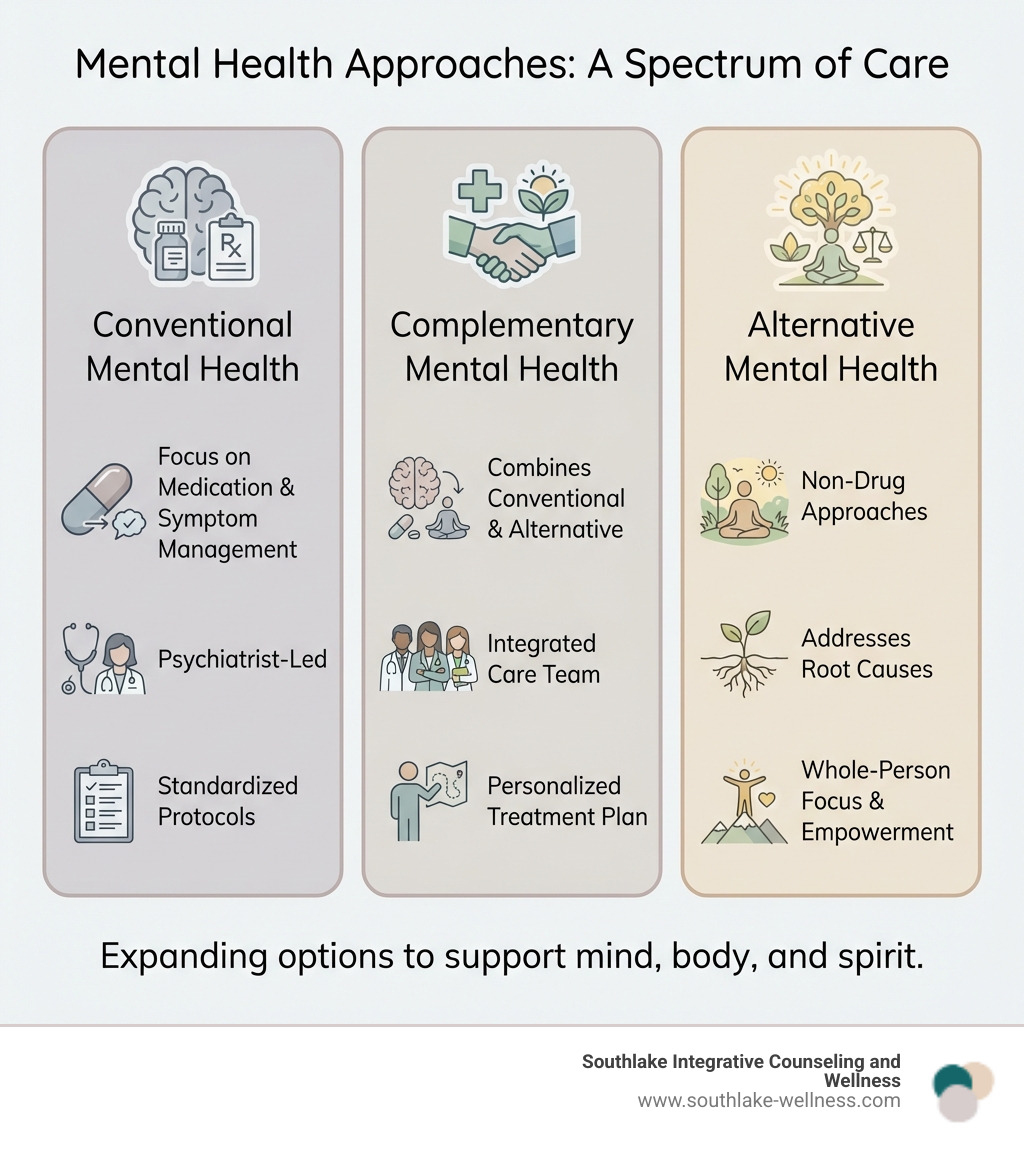
Unlike conventional psychiatry, which has historically focused on managing symptoms with medication, alternative approaches aim to treat the root causes of distress. This means exploring underlying issues like nutritional imbalances, medical conditions, poor diet, or lack of exercise. The goal is to treat the whole person—mind, body, and spirit.
This isn't about rejecting modern medicine. It's about expanding your options with approaches that can include:
- Mind-Body Practices: Meditation, yoga, and breathwork.
- Lifestyle Interventions: Nutrition, exercise, and sleep optimization.
- Creative Therapies: Art, music, and dance therapy.
- Energy Modalities: Acupuncture and Reiki.
- Spiritual Practices: Faith-based and indigenous healing.
I'm Holly Gedwed, and with 14 years of clinical experience in trauma and addiction, I've seen how integrating Alternative mental health modalities can create lasting change. My goal is to help you find the best therapeutic approach for your unique needs.
The Core Philosophy: Treating the Whole Person
The guiding principle behind Alternative mental health is a holistic philosophy: treating the whole person, not just a set of symptoms. Your mental health is intricately connected to every aspect of your being.
This philosophy emphasizes individualized care, empowering you to take an active role in your healing journey. It recognizes that physical imbalances, like nutritional deficiencies or a sedentary lifestyle, can profoundly impact mood and cognitive function. Many individuals have achieved a drug-free life by addressing these underlying issues.
At Southlake Integrative Counseling and Wellness, we champion an integrative approach. "Complementary" therapies are used alongside conventional medicine (e.g., medication plus yoga), while "alternative" approaches may be used instead of them. We combine evidence-based therapies with alternative modalities to create a truly holistic and personalized treatment plan. You can learn more in our Holistic Mental Wellness Ultimate Guide and our guide to a Holistic Approach Therapy.
Exploring Common Alternative Mental Health Therapies

The world of Alternative mental health is rich and diverse. This section details some of the most common therapies, their benefits, and scientific backing.
Mind-Body Practices for Inner Balance
Mind-body practices recognize the powerful link between our thoughts, emotions, and physical sensations.
- Meditation & Mindfulness: These practices involve focusing on the present moment without judgment. Studies show meditation reduces symptoms of anxiety, depression, PTSD, and ADHD. To get started, visit www.mindful.org/meditation/mindfulness-getting-started/ or our guides on Meditations for the Anxious and How to Practice Mindfulness. For a scientific review, see Effects of mindfulness on psychological health.
- Yoga: Integrating physical postures, breathing, and meditation, yoga calms the mind and strengthens the body. It's shown to reduce anxiety and depression when used with other treatments. We offer resources on Yoga.
- Breathwork (Pranayama): Conscious breathing techniques can significantly reduce stress and improve autonomic nervous system function. These cost-effective practices are a powerful tool for self-regulation.
- Biofeedback: This technique helps you gain control over involuntary bodily functions (like heart rate) by providing real-time feedback, allowing you to learn how to manage your body's response to stress.
Lifestyle Approaches: The Foundations of Wellness
Our daily habits are the bedrock of our mental health.
- Nutrition and Diet: A balanced diet supports brain function and mood. The "gut-brain axis" shows how gut health influences neurotransmitters like serotonin. Diets rich in whole foods are vital, while ultra-processed foods are linked to increased mental illness risk. Learn more in our guides to Mood Boosting Foods and Functional Nutrition Counseling. For scientific insights, see Gut microbiota, nutrition, and mental health.
- Exercise and Movement: Physical activity releases endorphins, which manage stress, improve sleep, and boost mood. Regular movement is a potent antidepressant and anxiolytic. Find ideas in our Mental Health Activities guide.
- Nature Therapy (Ecotherapy): Spending time outdoors can soothe the mind, reduce anxiety, and improve mood. It’s a simple, profound way to reset.
- Sleep Hygiene: Quality sleep is non-negotiable for mental health. Consistent routines and a good sleep environment are crucial for wellbeing.
Creative and Somatic Therapies
When words aren't enough, these therapies offer alternative paths to healing.
- Art Therapy: Using art-making to express emotions that are difficult to verbalize, this is a constructive way to process feelings. Explore our Art Therapy Activities for Emotional Regulation.
- Music Therapy: Music can reduce anxiety, manage illness, and improve self-expression. It's a powerful tool for emotional regulation.
- Dance/Movement Therapy: This therapy connects you with your body through movement, reducing stress and managing mood.
- Massage Therapy: Using touch to relieve tension and promote relaxation, massage can help manage physical symptoms of anxiety and PTSD. Explore our Mind and Body Healing Massage and Mind Body Wellness and Massage Therapy guides.
Energy and Spiritual Modalities
These approaches address the body's subtle energies and the power of spiritual connection.
- Acupuncture: From Traditional Chinese Medicine, this practice involves inserting fine needles to stimulate nerves and promote healing. Some find it helpful for depression and anxiety. Learn more from the NHS: www.nhs.uk/conditions/acupuncture/.
- Reiki: A Japanese energy healing practice where practitioners use light touch to balance energy fields, often resulting in reduced stress and anxiety. More info at www.reikifed.co.uk.
- Emotional Freedom Techniques (EFT): Also called "tapping," EFT involves tapping on acupuncture points while focusing on a negative emotion to relieve stress and anxiety. Learn more at www.eftinternational.org or in our Emotional Freedom Techniques guide.
- Spiritual Counseling & Indigenous Healing Practices: Practices like chanting and meditation offer accessible mental health support. Spirituality can provide a profound sense of meaning, connection, and hope. Read more from the Royal College of Psychiatrists on spirituality and mental health.
Integrating Alternative Practices into Your Daily Life

The true power of Alternative mental health is integrating beneficial practices into your daily routine. Small, sustainable changes lead to significant improvements. The key is to start slow, find what resonates with you, and practice with self-compassion. Even 5-10 minutes a day can make a difference. Our guide on how to Develop Coping Skills offers practical steps.
Creating a Personalized Wellness Plan
A personalized approach is fundamental. What works for one person might not work for another.
- Identify Your Needs: Reflect on what you'd like to improve, such as anxiety, low mood, or stress.
- Choose Practices You Enjoy: You're more likely to stick with a practice if it brings you joy and calm.
- Set Realistic Goals: Start small, like meditating for 5 minutes daily or walking three times a week.
- Track Your Progress: Use a journal to note how you feel. This helps you recognize patterns and stay motivated.
- Journaling: This simple tool helps you process thoughts and gain self-awareness.
At Southlake Integrative Counseling and Wellness, we help you create a wellness plan that aligns with your needs. Learn more about our approach to Personalized Mental Health Care.
Combining with Conventional Treatment
Alternative mental health approaches are often most effective when thoughtfully integrated with conventional treatments. This is the essence of an "integrative approach."
We encourage open communication with all your healthcare providers. Never stop or alter your prescribed medication without consulting your doctor. Many alternative therapies can complement conventional treatments, enhancing their effectiveness. Discussing these options with a licensed mental health provider is crucial for a safe and effective plan.
Our team is skilled in facilitating this integrative care. Explore our services related to Integrative Mental Health and our Mental Health Integration Guide.
Navigating Your Path: Practical Considerations
Starting a journey with Alternative mental health requires careful navigation. Here are some practical considerations to help you find the right path.
Benefits and Limitations of Alternative Mental Health
Understanding the pros and cons of Alternative mental health can help you make informed decisions.
Potential Benefits:
- Increased Wellbeing: Many therapies promote relaxation and a sense of wellbeing.
- Fewer Side Effects: Compared to some medications, many approaches have milder side effects.
- Empowerment: These approaches encourage you to take an active role in your healing.
- Addressing Root Causes: Focusing on underlying factors can offer more sustainable healing.
- Cost-Effective: Practices like breathwork, yoga, and nature therapy can be low-cost or free.
Potential Limitations:
- Variable Evidence: While research is growing, some therapies lack the robust evidence of conventional treatments.
- Lack of Regulation: The quality and safety of practitioners can vary, so it's crucial to do your research.
- Not a Cure-All: These are powerful tools, but not magic bullets for severe mental illnesses.
- Time and Commitment: Many therapies require consistent practice to yield results.
Explore these options with an open yet discerning mind. Our Holistic Coping Strategies guide offers more insight.
How to Find Qualified Practitioners and Resources
Finding the right practitioner is paramount. Here’s how to be a savvy consumer:
- Check for Professional Membership: Seek therapists who are part of credible professional organizations related to their modality.
- Verify Qualifications: Inquire about their education, certifications, and experience.
- Ask Questions: Interview potential practitioners about their approach, what to expect, and their fees.
- Watch for Red Flags: Be wary of anyone who promises a "cure," discourages consulting your doctor, or insists you stop medication.
At Southlake Integrative Counseling and Wellness, our team includes licensed professionals (LPC-S, LCSW) trained in various modalities. We prioritize ethical, qualified care. Our Southlake Mental Health Resources Guide is a great starting point.
Understanding the Costs and Accessibility
The cost of Alternative mental health treatments varies widely.
- Insurance: Many alternative therapies are not covered by standard insurance, but it's always best to check with your provider. Some integrative approaches may be partially covered.
- Out-of-Network Benefits: You may get partial reimbursement for services if you have these benefits. We can help you understand and use your Out of Network Benefits.
- Sliding Scale Fees: Some practitioners offer income-based fees to improve accessibility.
- Free and Low-Cost Options: Many powerful strategies are free, including exercise, nature, journaling, and basic mindfulness. Many apps offer free guided sessions.
Here’s a general idea of potential costs, which can vary:
Therapy TypeTypical Cost (per session/class)Yoga Class$15 - $30Acupuncture Session$75 - $150Nutritionist Consultation$100 - $300Massage Therapy$60 - $120Individual Therapy (LPC)$100 - $250Guided Meditation AppsFree - $15/month
Frequently Asked Questions about Alternative Mental Health
Are alternative therapies scientifically proven?
The answer is nuanced: it depends on the therapy. Some, like mindfulness, yoga, and certain nutritional interventions, have a growing body of scientific evidence supporting their effectiveness for conditions like anxiety and depression. Research highlights "substantial evidence for the mental health benefits" of spiritual practices like chanting and breathwork.
However, for other therapies, the evidence is less robust or primarily anecdotal. This doesn't mean they aren't helpful, but it's an important distinction. At Southlake Integrative Counseling and Wellness, we prioritize evidence-based practices while respecting the holistic nature of healing. Our Evidence-Based Therapy Complete Guide provides more detail.
Can I replace my medication with alternative treatments?
No, not without professional medical guidance. You should never stop or alter your prescribed medication without first consulting your doctor or psychiatrist.
Alternative mental health treatments are best viewed as complementary approaches. They can work alongside medication to improve wellbeing and, in some cases, may lead to a gradual, medically supervised reduction in dosage. This decision must be made in collaboration with a qualified healthcare professional. Our Anxiety Psychiatrist Near Me Guide can offer context for these conversations.
Which alternative therapy is best for depression or anxiety?
There is no one-size-fits-all answer, as the "best" therapy is highly individual. However, based on research and clinical experience, some therapies are often beneficial for these conditions:
- For Anxiety:
- Mind-Body Practices: Mindfulness, yoga, and breathwork are highly effective for calming the nervous system.
- EFT (Tapping): Helpful for managing acute anxiety and trauma-related stress.
- Nature & Massage Therapy: Can reduce anxious feelings and physical tension.
- For Depression:
- Exercise: A potent mood booster that improves energy levels.
- Nutrition: Addressing nutritional deficiencies and gut health can significantly impact mood.
- Yoga & Light Therapy: Combine physical activity with mindfulness or address seasonal depression (SAD).
- Art and Music Therapy: Provide non-verbal outlets for emotional expression.
The key is to match the therapy to your needs and preferences. For more specific insights, see our guides on Alternative Depression Treatments and Anxiety Therapy Southlake.
Conclusion: Accept Your Journey to Holistic Wellness
Our mental health is a complex mix woven from our thoughts, emotions, physical sensations, and spiritual connections. The mind-body connection isn't just a concept; it's a living reality that profoundly impacts our wellbeing every single day.
Alternative mental health offers a hopeful and empowering path to healing, emphasizing the treatment of the whole person and the importance of addressing root causes. It's about expanding your options beyond conventional approaches, integrating effective strategies that resonate with your unique needs.
At Southlake Integrative Counseling and Wellness, we believe in empowering you to take an active and informed role in your mental health journey. We're here to guide you through the diverse landscape of alternative therapies, helping you build a personalized wellness plan that fosters resilience, emotional balance, and lasting wellbeing. Your path to recovery is personal, and we're honored to walk alongside you.
Ready to explore how a holistic approach can transform your mental health? Explore our holistic mental health services and take the next step towards a more vibrant, balanced life.